Overview
Why visit Sharjah Museum of Islamic Civilization
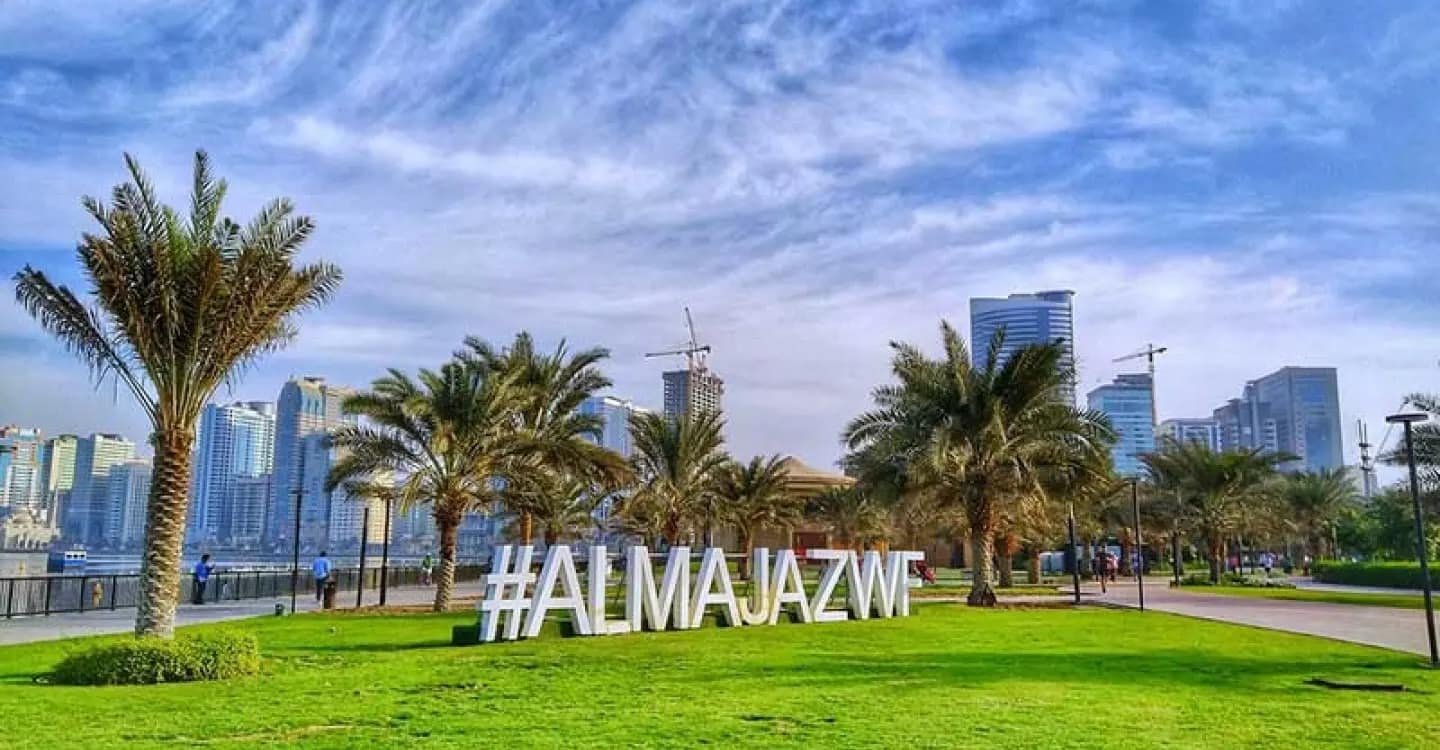
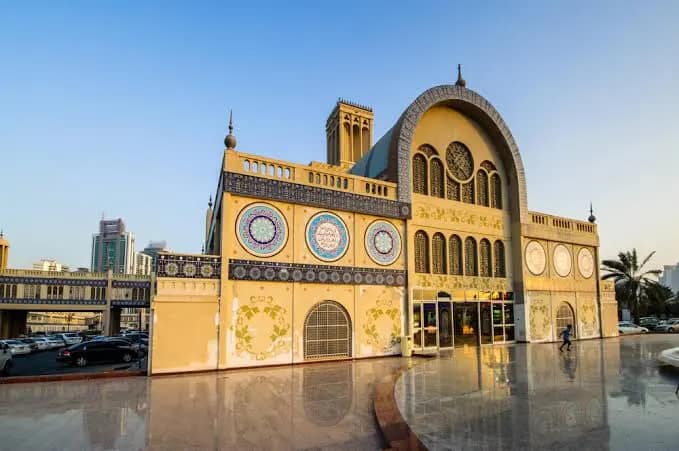
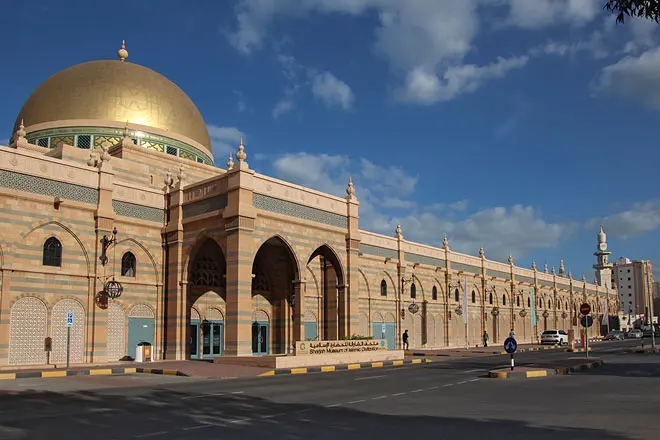
Sharjah Museum of Islamic Civilization is one of the best places in the United Arab Emirates to understand the depth, creativity, and global influence of Islamic culture. Located in the Al Majarrah area on Corniche Street, close to Sharjah Creek and the historic heart of the city, the museum is both an architectural landmark and a major cultural attraction. Its large waterfront building, crowned by a striking golden dome, is easy to recognize and gives the museum a strong presence along one of Sharjah’s most atmospheric older districts. For travelers who want more than shopping malls and modern skyline views, this museum offers a thoughtful and rewarding look at Islamic civilization through art, faith, science, craftsmanship, trade, and daily life.
The museum is housed in a building that was originally designed as a traditional indoor souq before being transformed into a cultural institution. This gives the space a special character, with broad galleries, elegant interiors, and a sense of scale that suits the importance of the collection. The museum opened in its current form in 2008 and has become one of Sharjah’s signature attractions. It reflects the city’s wider identity as the cultural capital of the UAE, where museums, heritage areas, art spaces, libraries, and educational institutions are central to the visitor experience. A visit here helps explain why Sharjah has a different rhythm from Dubai and Abu Dhabi: quieter, more reflective, and deeply connected to history and learning.
Inside, the museum is arranged across two levels with seven main galleries. The ground floor introduces visitors to key aspects of Islamic faith, knowledge, discovery, and scientific achievement. This section is especially useful for first-time visitors because it presents Islamic civilization not only as a religious tradition, but also as a source of scholarship, navigation, medicine, astronomy, mathematics, engineering, and cultural exchange. Exhibits may include scientific instruments, models, maps, manuscripts, and objects that show how Muslim scholars contributed to knowledge across continents. For families, students, and curious travelers, this part of the museum is often one of the most engaging because it connects historical ideas to practical discoveries.
The upper galleries focus more on Islamic art and craftsmanship across different periods and regions. Visitors can see ceramics, metalwork, glass, textiles, jewelry, calligraphy, coins, manuscripts, and decorative objects that reflect the diversity of the Islamic world. The collection helps show how styles moved across regions, from the Arabian Peninsula and Persia to North Africa, Central Asia, the Ottoman world, and beyond. Rather than feeling like a narrow local museum, Sharjah Museum of Islamic Civilization presents Islamic culture as an international story shaped by trade routes, scholarship, faith, artistic exchange, and urban life. This makes it valuable for travelers interested in history, design, architecture, or world culture.
One of the most memorable visual features of the museum is its central dome. Visitors should take time to look upward and appreciate the detailing, especially around the main hall. The dome and interior spaces create excellent photography opportunities, though visitors should always follow museum rules on flash and restricted areas. The building itself is part of the experience, combining the feeling of a traditional marketplace with the layout of a modern museum. Compared with some fast-moving tourist attractions, this is a place that rewards slow exploration. Reading the displays, studying the objects, and moving through the galleries at an unhurried pace will make the visit much more meaningful.
The museum is suitable for a wide range of travelers. Culture lovers will appreciate the depth of the collection, while families can use it as an educational stop that introduces children to history, art, and science in a calm indoor setting. It is also a strong option during hot months in the UAE, when outdoor sightseeing can be difficult. Solo travelers and photographers will enjoy the architecture, gallery atmosphere, and waterfront location. Visitors staying in Dubai can also make it part of a day trip to Sharjah, especially when combined with the Heart of Sharjah, Souk Al Arsah, Sharjah Heritage Museum, and the nearby corniche area.
A typical visit takes around one and a half to two hours, though travelers with a strong interest in Islamic art, manuscripts, or history may want longer. The museum’s size is manageable, but the collection is rich enough that rushing through it would miss much of its value. It is best visited in the morning or early afternoon if you want a quieter atmosphere. Fridays usually have shorter opening hours, so visitors should check the current schedule before planning. As with all museums, opening times, exhibitions, and ticket prices can change, especially during Ramadan, public holidays, or special events, so it is wise to confirm directly with Sharjah Museums Authority before visiting.
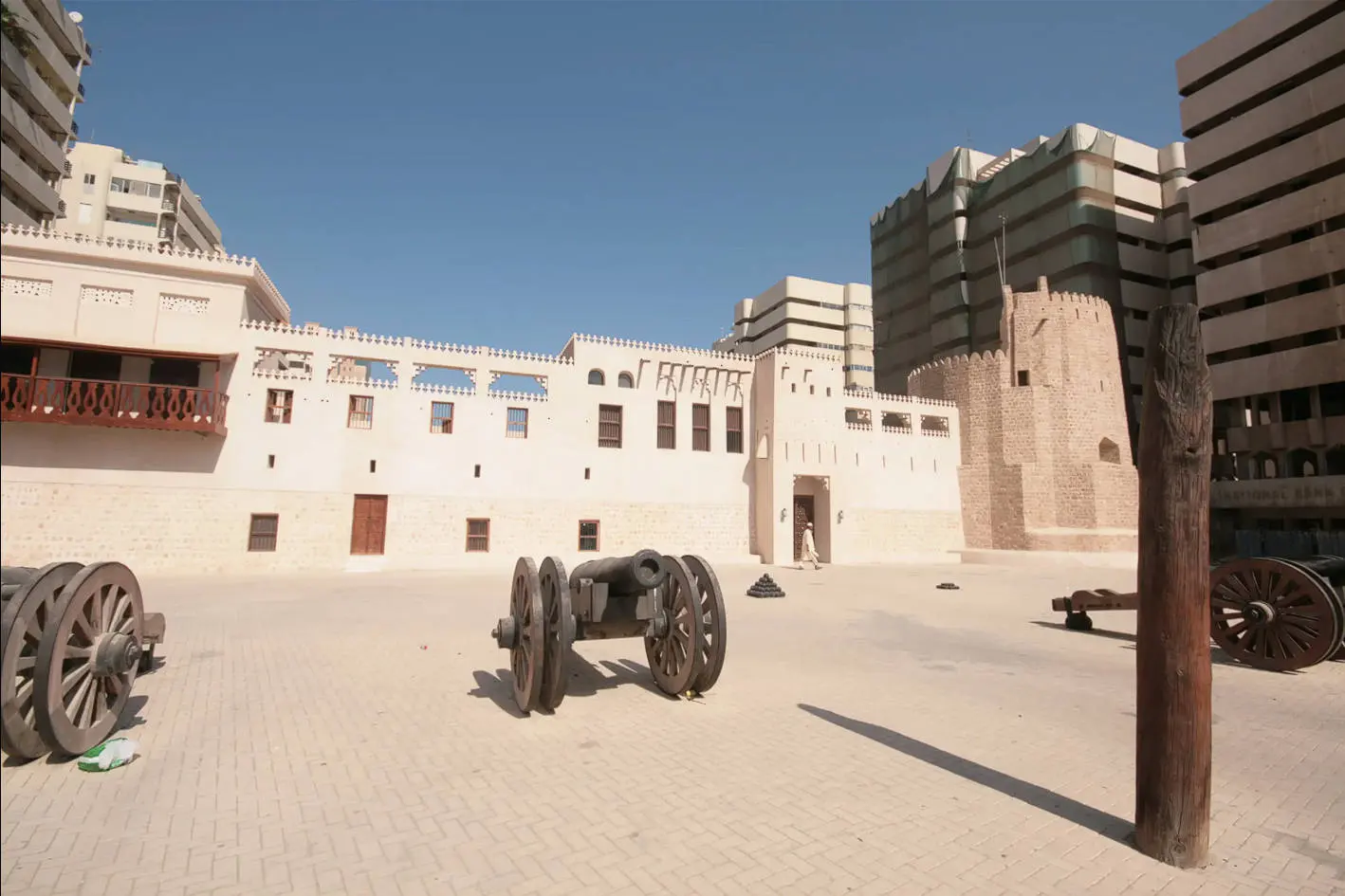
The location is convenient for exploring old Sharjah. After visiting the museum, travelers can continue toward the Heart of Sharjah, walk around nearby heritage areas, or visit traditional souks and other museums. The surrounding district is not as polished as Sharjah’s newer waterfront attractions, but that is part of its appeal. It gives visitors a stronger sense of the city’s older trading character and its connection to the creek and corniche. Taxis and ride-hailing services are the easiest way to reach the museum, especially for visitors coming from Dubai or other parts of Sharjah. Parking may be available nearby, but traffic and access can vary depending on the time of day.
Sharjah Museum of Islamic Civilization is worth visiting because it gives context to the wider region. Many travelers pass through the UAE seeing modern towers, luxury hotels, and entertainment attractions, but this museum explains a much older and deeper story. It shows the intellectual, artistic, spiritual, and scientific achievements that shaped cities, trade, architecture, and culture across the Islamic world. For anyone visiting Sharjah, it is one of the most important stops in the city. For travelers staying elsewhere in the UAE, it is a strong reason to cross into Sharjah and experience a more cultural side of the country.
Highlights
What stands out
Getting there
How to Go
Sharjah Museum of Islamic Civilization is located on Corniche Street in the Al Majarrah area of Sharjah, close to Sharjah Creek and the Heart of Sharjah. The easiest way to reach it is by taxi, ride-hailing app, or private car. From central Sharjah, travel times are usually short, depending on traffic. From Dubai, the museum can be reached by road, but visitors should avoid peak commuter hours because traffic between Dubai and Sharjah can be heavy. Public buses operate in Sharjah, but most tourists will find taxis more convenient for this attraction.
Before you go
Practical Info
Seasonality
Best Time to Visit
November to March is best for combining the museum with outdoor sightseeing in old Sharjah, while the museum is also a good indoor attraction during the hot summer months.
On the ground
Travel Tips
- Visit on a weekday morning for a quieter experience and better time to read the displays.
- Do not rush the science and knowledge galleries; they are among the most interesting parts of the museum.
- Look up inside the main hall to appreciate the museum’s impressive dome.
- Combine the museum with the Heart of Sharjah for a strong half-day cultural itinerary.
- Use a taxi or ride-hailing app if visiting from Dubai, and avoid rush-hour traffic.
- Check Friday opening hours carefully, as museum schedules in Sharjah often differ on Fridays.
- Carry a light layer if you get cold easily, as indoor museum air-conditioning can feel strong.
- Families should plan enough time for children to engage with the science and history displays.
FAQs
Common questions
It is located on Corniche Street in the Al Majarrah area of Sharjah, near Sharjah Creek and the historic heart of the city.
Most visitors need around one and a half to two hours, though travelers interested in Islamic art and history may want longer.
Yes, it is one of Sharjah’s most important cultural attractions and offers a rich look at Islamic art, science, faith, and heritage.
Visitors can see manuscripts, coins, ceramics, textiles, calligraphy, scientific instruments, jewelry, metalwork, and galleries about Islamic faith and knowledge.
Yes, the museum is suitable for families, especially the sections that explain science, astronomy, engineering, and cultural history in an accessible way.
Yes, it can be visited as a day trip from Dubai by taxi or car, but it is best to avoid peak traffic between Dubai and Sharjah.
Modest clothing is recommended, with shoulders and knees covered, as the museum is a cultural attraction in conservative Sharjah.
Nearby attractions include the Heart of Sharjah, Souk Al Arsah, Sharjah Heritage Museum, Sharjah Art Museum, and Sharjah Creek area.