Overview
Why visit Al Jahili Fort
Al Jahili Fort is one of the most important historic landmarks in Al Ain and one of the finest traditional forts in the United Arab Emirates. Set in the garden city of Al Ain, the fort stands as a powerful reminder of the region’s pre-modern history, when oasis settlements, date palms, wells, forts, and tribal routes shaped daily life. Unlike the glass towers and waterfront developments that many visitors associate with the UAE today, Al Jahili Fort offers a quieter and more grounded experience. It helps travelers understand the historic role of Al Ain as a strategic inland oasis and a place closely connected to the ruling family of Abu Dhabi.
The fort was built in the late 19th century on the orders of Sheikh Zayed bin Khalifa Al Nahyan, also known as Zayed the First. Construction is commonly dated between 1891 and 1898, and the fort was originally associated with the protection of Al Ain’s palm groves and the residence of members of the Al Nahyan family. Its location reflects the importance of Al Ain’s oasis environment, where access to water and agricultural land made the area valuable for settlement and survival. The building is also a strong example of traditional desert architecture, using materials and design suited to the climate and landscape.
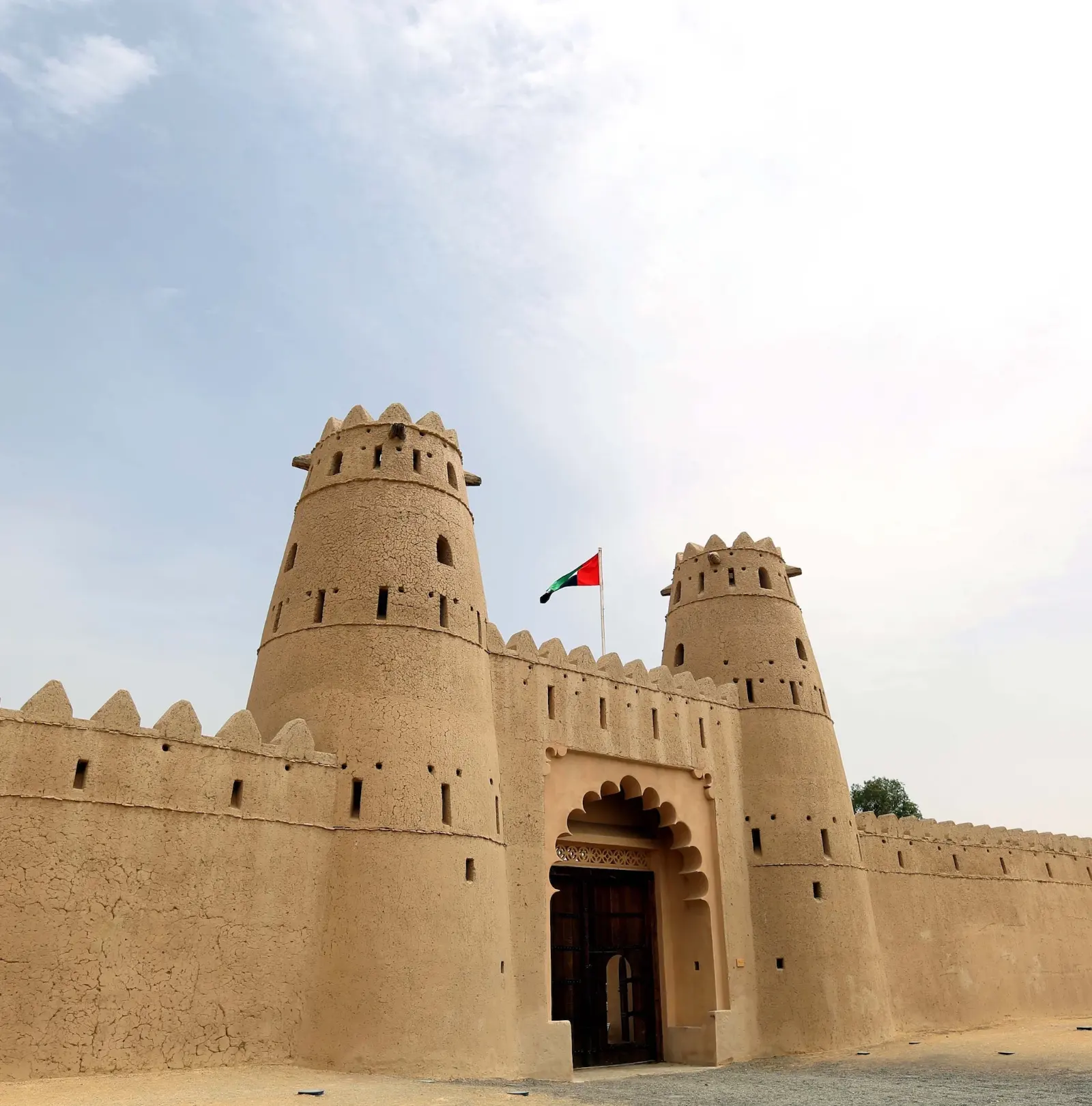
One of the first things visitors notice is the fort’s commanding but elegant appearance. The high walls, corner towers, large courtyard, and distinctive circular tower create a strong visual identity. The mud-brick style gives the building a warm, earthy color that changes beautifully with the light, especially in the early morning or late afternoon. The architecture is simple but powerful, designed for shade, protection, and practicality. Walking around the fort, visitors can see how traditional forms of construction were adapted to life in the desert, where thick walls, enclosed spaces, and controlled openings helped manage heat and security.
Inside, Al Jahili Fort is calm, spacious, and well restored. The open courtyard gives the site a peaceful atmosphere, while the surrounding rooms and exhibition spaces add historical context. Since reopening as a cultural venue, the fort has become a place for exhibitions, heritage activities, and public events connected to Abu Dhabi’s culture. One of its best-known features is the exhibition connected to the explorer Wilfred Thesiger, known in Arabic as Mubarak bin London, who crossed the Empty Quarter in the 1940s and documented Bedouin life through photographs and writing. This adds a wider desert travel story to the fort’s local history.
For many travelers, Al Jahili Fort is one of the best places in Al Ain for photography. The symmetry of the walls, the curve of the round tower, the contrast between sunlight and shade, and the texture of the mud-brick surfaces all create strong visual opportunities. The fort is especially attractive when the light is soft, as the sandy tones of the building become warmer and the shadows make the architectural details stand out. It is a good location for travelers who enjoy heritage photography, architectural shots, and quiet cultural spaces rather than crowded tourist scenes.
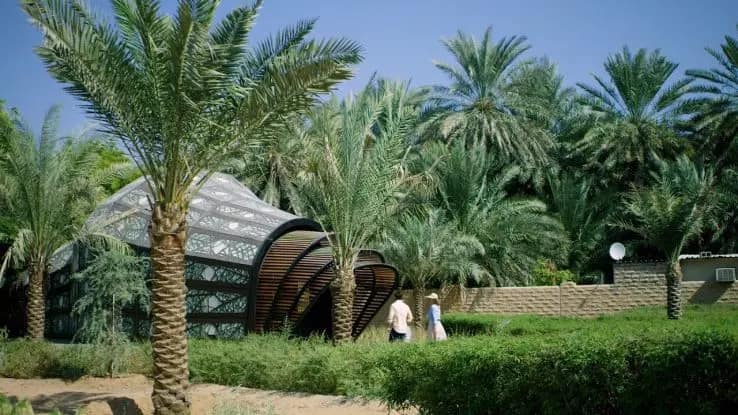
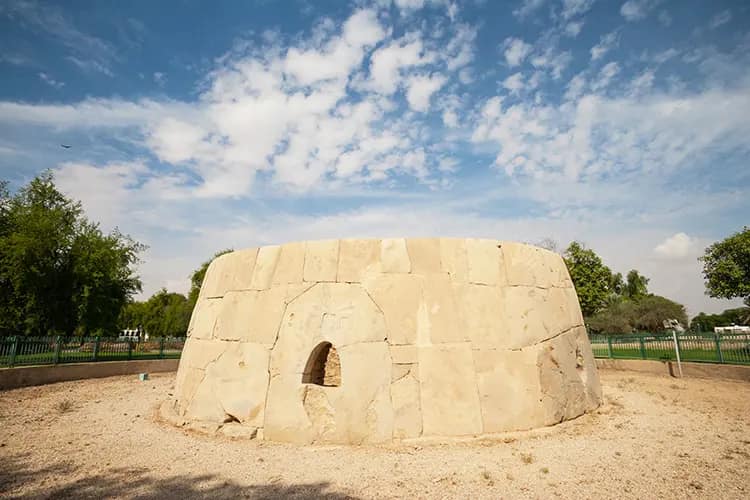
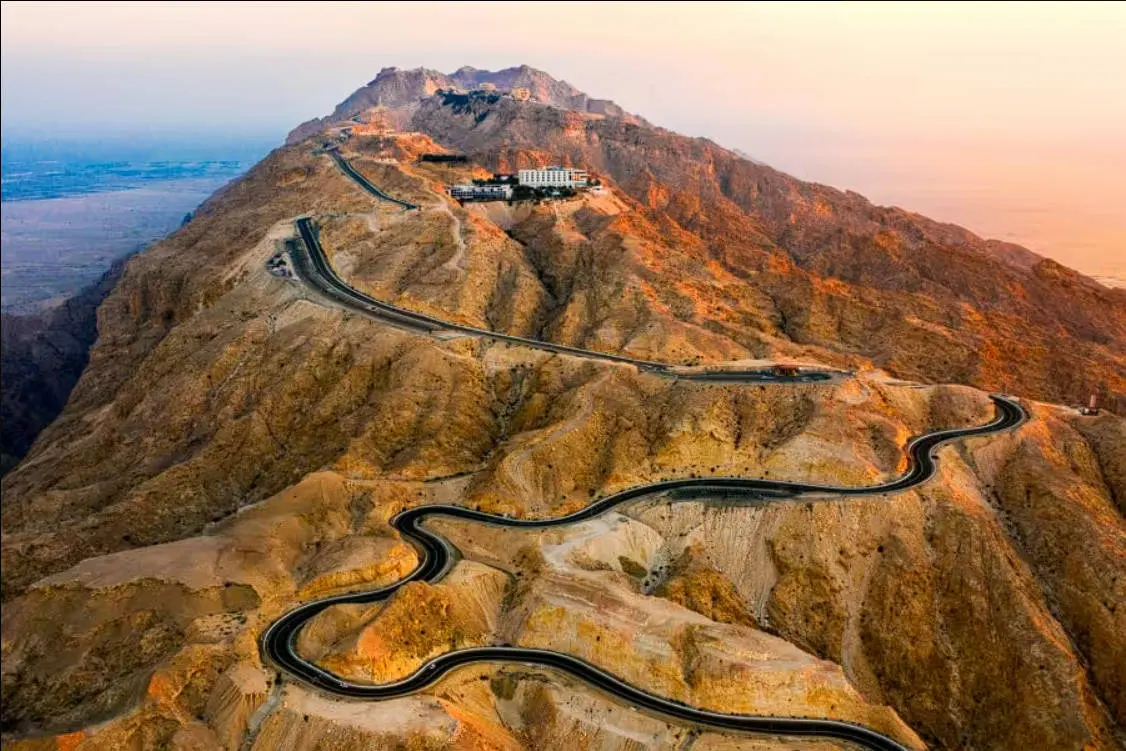
The fort is also useful for understanding Al Ain as a whole. Many of the city’s major attractions are connected by the same themes: water, settlement, agriculture, protection, and royal history. Al Ain Oasis shows the importance of falaj irrigation and palm farming. Qasr Al Muwaiji tells an important story of Abu Dhabi’s ruling family. Hili Archaeological Park reveals ancient settlement and Bronze Age remains. Jebel Hafeet shows the dramatic natural landscape around the city. Al Jahili Fort fits naturally into this network, giving visitors a clear sense of how heritage, architecture, and landscape come together in Al Ain.
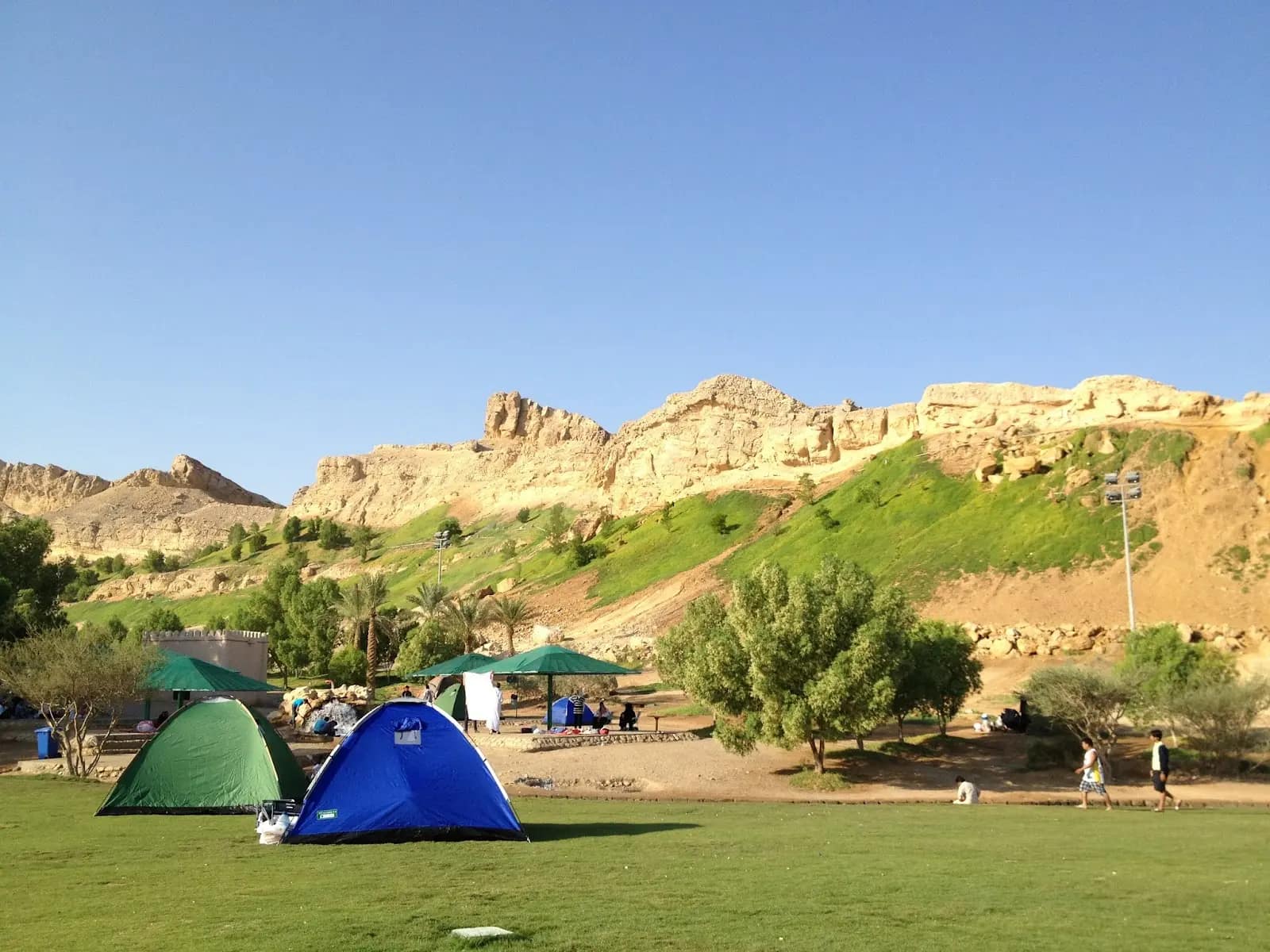
A visit to Al Jahili Fort is easy to include in a day trip or overnight stay in Al Ain. The site is centrally located and can be reached by car or taxi from other parts of the city. Because Al Ain’s attractions are spread out, a private car or rental car is the most convenient way to explore. Visitors coming from Abu Dhabi or Dubai can include the fort in a full-day itinerary with Al Ain Oasis, Qasr Al Muwaiji, Green Mubazzarah, and Jebel Hafeet. Those with more time can move slowly through the heritage sites and enjoy Al Ain’s calmer pace.
The best time to visit Al Jahili Fort is during the cooler months from November to March, when walking around the courtyards and nearby outdoor areas is more comfortable. Summer visits are still possible, but Al Ain can be extremely hot, so mornings and late afternoons are better. As with many cultural sites in the UAE, visitors should dress respectfully and behave quietly inside exhibition areas. The fort is suitable for families, couples, solo travelers, history lovers, photographers, and anyone wanting a deeper look at Emirati heritage beyond modern attractions.
Al Jahili Fort does not require a full day, but it rewards visitors who slow down and observe the details. The walls, towers, courtyard, photographs, and setting all tell different parts of the same story. It is a place where the past feels close and understandable, especially when visited alongside the oasis and other cultural sites nearby. For first-time visitors to Al Ain, it is one of the strongest introductions to the city’s identity.
What makes Al Jahili Fort special is its balance of beauty, history, and accessibility. It is visually impressive without feeling overwhelming, educational without being difficult to visit, and deeply connected to the story of Al Ain. Travelers who come only for Jebel Hafeet views may be surprised by how memorable the fort feels. As one of the UAE’s largest and most significant traditional forts, Al Jahili Fort deserves a place on any serious Al Ain itinerary.
Highlights
What stands out
Getting there
How to Go
Al Jahili Fort is located in the Al Jahili area of Al Ain and is easiest to reach by car, taxi, or guided city tour. From central Al Ain, it is a short drive from major heritage attractions such as Al Ain Oasis and Al Ain Palace Museum. Visitors coming from Abu Dhabi or Dubai can include the fort in a full-day Al Ain itinerary, especially with a rental car or private driver, as the city’s main attractions are spread across different areas.
Before you go
Practical Info
Seasonality
Best Time to Visit
November to March
On the ground
Travel Tips
- Visit in the morning or late afternoon for softer light and better photography.
- Combine the fort with Al Ain Oasis and Qasr Al Muwaiji for a strong heritage itinerary.
- Wear comfortable shoes, as the visit involves walking through courtyards and exhibition areas.
- Dress respectfully because it is a cultural and historic site.
- Allow time to read the exhibition displays instead of treating it only as a photo stop.
- Avoid the hottest part of the day during summer visits.
- Use a car or taxi, as Al Ain’s attractions are not all within easy walking distance.
- Check official visitor information before going, especially during holidays or special events.
FAQs
Common questions
Al Jahili Fort is located in the Al Jahili area of Al Ain in Abu Dhabi Emirate, United Arab Emirates.
Al Jahili Fort was built in the late 19th century, with construction commonly dated between 1891 and 1898.
Al Jahili Fort was built on the orders of Sheikh Zayed bin Khalifa Al Nahyan, also known as Zayed the First.
Al Jahili Fort is important because it reflects Al Ain’s historic role as an oasis settlement and its connection to Abu Dhabi’s ruling history.
Most visitors spend around one to two hours exploring the fort, exhibitions, courtyard, and photography spots.
Yes, Al Jahili Fort is suitable for families because it is easy to visit, educational, and located near other Al Ain attractions.
The best time to visit is from November to March, especially in the morning or late afternoon when the weather is cooler.
Nearby attractions include Al Ain Oasis, Al Ain Palace Museum, Qasr Al Muwaiji, Hili Archaeological Park, and Jebel Hafeet.