Overview
Why visit Al Zorah Nature Reserve
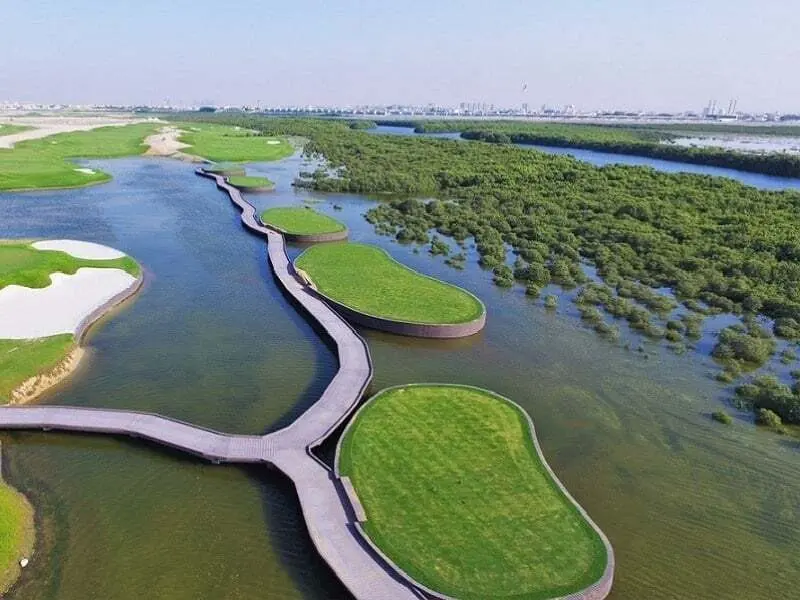
Al Zorah Nature Reserve is one of the most distinctive places to visit in Ajman and one of the best examples of the emirate’s natural beauty. Set within the Al Zorah area, the reserve protects a rich coastal ecosystem of mangroves, tidal lagoons, sandy shores, marine life, and bird habitats. It offers a very different experience from Ajman’s beaches, shopping areas, and heritage sites. Instead of city streets and waterfront cafés, visitors find quiet waterways, green mangrove channels, open skies, and a slower rhythm shaped by tides, birds, and the surrounding wetland landscape.
The reserve is especially important because it shows a softer and more ecological side of the UAE. Many travelers associate the country with modern skylines, desert adventures, malls, and luxury resorts, but Al Zorah Nature Reserve reveals another layer of the Emirates: protected coastal wetlands where wildlife can thrive close to the city. Official tourism sources describe the reserve as a vibrant ecosystem made up of mangroves, lagoons, and sandy beaches, with around 58 species of native and migratory birds recorded in the area. For visitors who enjoy nature, photography, kayaking, or peaceful outdoor experiences, Al Zorah is one of Ajman’s most rewarding attractions.
The mangroves are the heart of the reserve. These coastal trees grow in tidal waters and play an important role in protecting shorelines, supporting marine life, and providing shelter for birds and young fish. In Al Zorah, the mangroves create narrow channels and calm waterways that are best explored slowly. Guided kayaking is one of the most popular ways to experience the reserve because it allows visitors to move quietly through the landscape without disturbing the environment. From the water, the reserve feels more immersive than it does from the shore. Visitors can glide past mangrove roots, watch birds from a distance, and enjoy the contrast between green vegetation and the blue water of the lagoon.
Birdlife is one of the main reasons travelers visit Al Zorah Nature Reserve. The wetland habitat attracts resident and migratory species, including flamingos, herons, egrets, and other coastal birds at different times of the year. Bird sightings depend on season, tide, weather, and luck, so visitors should not expect the same experience every day. However, the possibility of seeing flamingos and other birds in a quiet mangrove setting makes the reserve especially attractive for photographers and nature enthusiasts. Early morning is often the best time for birdwatching because the light is softer, temperatures are cooler, and wildlife activity can be better.
Al Zorah is also a strong choice for families. Guided eco-tours make the experience more accessible because visitors receive equipment, safety guidance, and route support from trained operators. Families with children can enjoy a gentle outdoor activity that feels adventurous without being too extreme. The kayaking experience is usually calm, but visitors should still be comfortable around water and follow all instructions from tour guides. For travelers who prefer not to kayak, the surrounding Al Zorah area still offers scenic drives, waterfront views, resorts, golf, dining, and peaceful places to enjoy the landscape from land. This makes the reserve area useful for different travel styles, from active nature exploration to relaxed resort-based stays.
The atmosphere of Al Zorah Nature Reserve is one of its biggest strengths. Compared with the busier beaches and city attractions of the UAE, the reserve feels quiet, open, and restorative. The scenery is subtle rather than dramatic, but that is part of its appeal. The beauty comes from reflections on the lagoon, birds moving across the water, mangrove shadows, and the feeling of being close to nature while still near Ajman city. Photographers will find the best conditions in the early morning or late afternoon, when the sunlight is softer and the colors of the water and mangroves are more attractive. Sunset can also be beautiful, especially from open viewpoints around Al Zorah.
The best time to visit Al Zorah Nature Reserve is from November to March, when the weather is comfortable for kayaking, walking, photography, and outdoor activities. These months also offer a better overall experience for visitors who want to spend time outdoors without the intense heat of summer. April and October can still be manageable if visits are planned early in the morning or late in the afternoon. From May to September, daytime temperatures and humidity can be high, so travelers should avoid long exposure and choose guided activities carefully. Sun protection is important in every season because the lagoon and open areas can feel very exposed.
Access to Al Zorah Nature Reserve is straightforward by car, taxi, or ride-hailing service from Ajman city. It is also reachable from Sharjah and Dubai, although travel times depend on road traffic. Visitors should check the exact meeting point for any kayaking or eco-tour activity before leaving, because guided tours may operate from specific launch areas within Al Zorah. It is also important to book activities in advance when possible, especially during weekends, public holidays, and the cooler travel season. The reserve is a sensitive natural area, so visitors should stay on permitted routes, avoid littering, keep noise low, and respect wildlife from a distance.
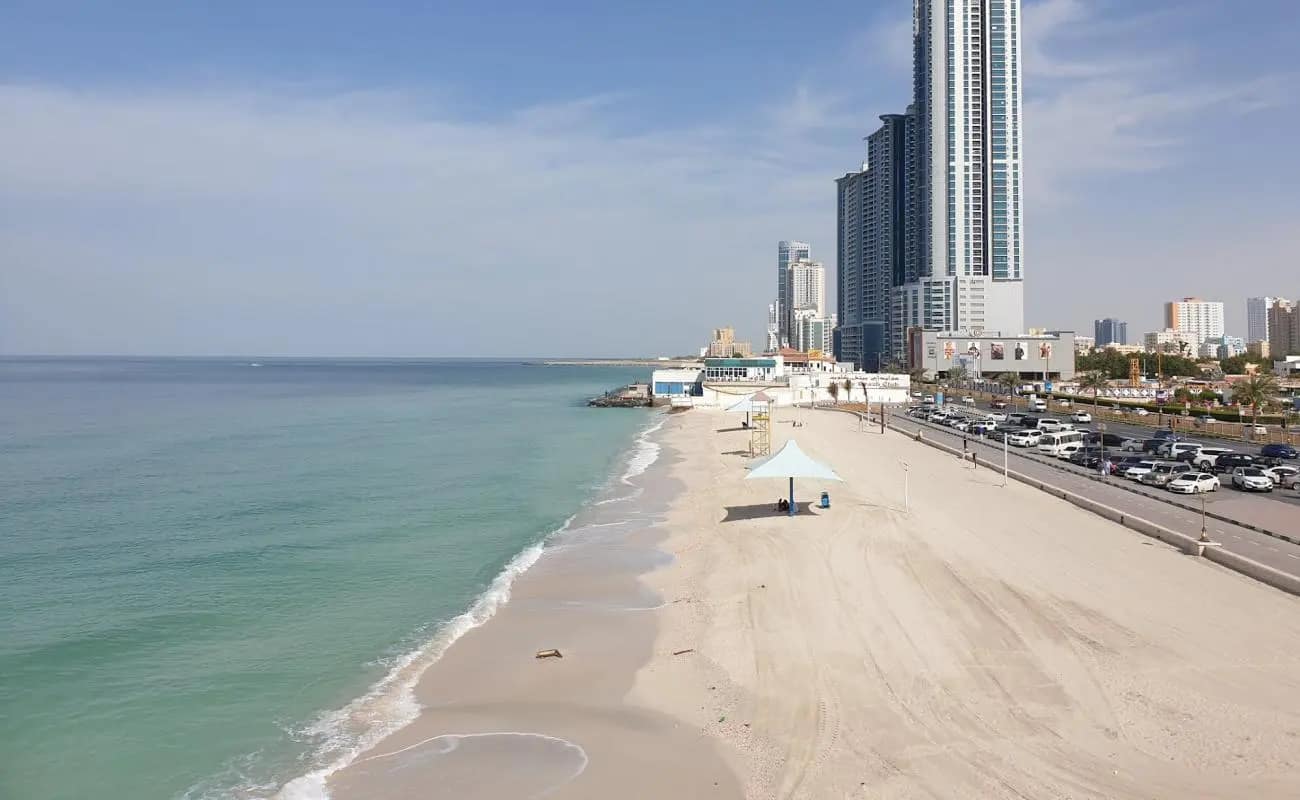
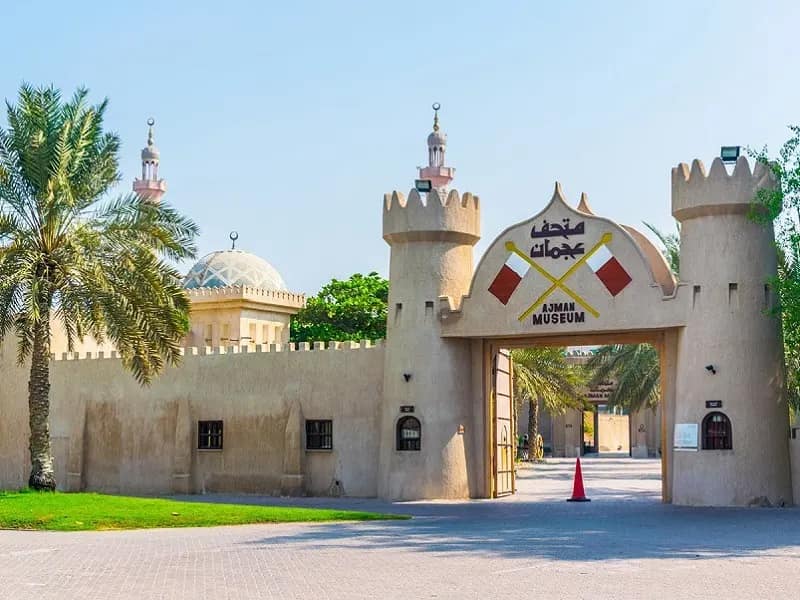
Al Zorah Nature Reserve pairs well with several other Ajman attractions. A good itinerary could include kayaking or birdwatching in the morning, lunch at Al Zorah Marina or a nearby waterfront area, and an afternoon visit to Ajman Museum or Ajman Beach. Travelers staying in Ajman can enjoy the reserve as part of a slower coastal holiday, while visitors from Dubai or Sharjah can make it a half-day nature escape. It is also a good stop for repeat UAE travelers who have already seen the major urban attractions and want something quieter and more local.
The reserve is not designed as a theme-park-style attraction. Its value lies in nature, calm, and ecological importance. Visitors who come expecting loud entertainment or large facilities may find it understated, but those who appreciate wildlife, landscapes, and peaceful movement through water will enjoy it. Al Zorah Nature Reserve is one of the strongest reasons to visit Ajman because it gives the emirate a unique identity within the UAE travel map. It combines natural scenery, responsible outdoor activity, birdlife, and easy access in a way that makes it suitable for families, couples, photographers, and travelers looking for a break from the country’s more urban experiences.
Highlights
What stands out
Getting there
How to Go
Al Zorah Nature Reserve is located in the Al Zorah area of Ajman. The easiest way to reach it is by private car, taxi, or ride-hailing service from Ajman city, Sharjah, or Dubai. If you are joining a kayaking or eco-tour activity, confirm the exact meeting point with the tour operator before traveling, as launch points may vary within Al Zorah. Visitors from Dubai and Sharjah should allow extra travel time during peak traffic.
Before you go
Practical Info
Seasonality
Best Time to Visit
November to March
On the ground
Travel Tips
- Book a guided kayaking tour if you want the most immersive experience of the mangroves.
- Visit in the cooler months for better weather and a more comfortable outdoor trip.
- Bring binoculars or a zoom lens if you are interested in birdwatching or photography.
- Do not expect guaranteed flamingo sightings, as wildlife varies by season and conditions.
- Carry water, sunscreen, sunglasses, and a hat because shade can be limited.
- Confirm your tour meeting point before leaving, especially if arriving by taxi.
- Keep noise low near bird habitats and observe wildlife from a respectful distance.
- Combine Al Zorah with Ajman Beach or Ajman Museum for a balanced day in the city.
FAQs
Common questions
Al Zorah Nature Reserve is located in the Al Zorah area of Ajman, United Arab Emirates, within easy reach of Ajman city.
Al Zorah Nature Reserve is known for its mangroves, lagoons, sandy shores, birdlife, kayaking, and peaceful natural scenery.
Flamingos can be seen at Al Zorah Nature Reserve during certain times of year, but sightings depend on season, tide, weather, and natural bird movement.
Yes, guided mangrove kayaking is one of the most popular activities at Al Zorah Nature Reserve, usually arranged through local eco-tour operators.
The best time to visit Al Zorah Nature Reserve is from November to March, especially early morning or late afternoon.
Yes, Al Zorah Nature Reserve is good for families, especially when visiting through guided kayaking or eco-tour activities with proper safety support.
Most visitors need around one to three hours, depending on whether they are taking a kayaking tour, birdwatching, or simply enjoying the scenery.
The easiest way to reach Al Zorah Nature Reserve from Dubai is by private car, taxi, or ride-hailing service, with travel time depending on traffic.