Overview
Why visit Hagia Sophia
Hagia Sophia stands as one of humanity’s greatest architectural achievements and one of the most important landmarks in Istanbul. Dominating the historic Sultanahmet district, the structure has witnessed nearly fifteen centuries of history and reflects the cultural, religious, and political transformations that have shaped the city. Few monuments in the world possess such a rich legacy or such profound significance to multiple civilizations.
Originally constructed as a Christian cathedral during the reign of Byzantine Emperor Justinian I, Hagia Sophia was completed in 537 CE. At the time, it represented one of the most ambitious building projects ever undertaken and quickly became the largest cathedral in the world. Its massive dome and innovative engineering astonished contemporaries and influenced architecture across Europe, the Middle East, and beyond for centuries.
The name Hagia Sophia translates to "Holy Wisdom," and the building served as the principal cathedral of the Byzantine Empire for nearly a thousand years. During this period, it became the center of Eastern Orthodox Christianity and hosted imperial ceremonies, religious services, and significant historical events. The wealth and influence of the Byzantine Empire were reflected in the building’s magnificent decorations, marble interiors, and glittering mosaics.
Following the Ottoman conquest of Constantinople in 1453, Sultan Mehmed II ordered the conversion of Hagia Sophia into a mosque. The building remained a mosque for almost five centuries and underwent various additions and modifications. Minarets were constructed around the exterior, while Islamic calligraphy, prayer niches, and other religious features were incorporated into the structure. Despite these changes, many Byzantine elements were preserved, creating a unique blend of architectural traditions.
One of the most striking features of Hagia Sophia is its enormous central dome. Rising high above the main hall, the dome appears to float above the interior thanks to ingenious engineering techniques that were revolutionary for their time. Visitors entering the building often find themselves captivated by the immense scale and harmony of the space.
The interior showcases a fascinating coexistence of Christian and Islamic artistic heritage. Byzantine mosaics depicting religious figures can be seen alongside monumental Islamic calligraphy panels displaying the names of Allah, the Prophet Muhammad, and key figures in Islamic history. This combination creates an atmosphere unlike any other monument in the world and highlights Istanbul’s role as a bridge between civilizations.
The marble columns, decorative galleries, intricate stonework, and expansive prayer hall further contribute to the building’s extraordinary character. Every section of Hagia Sophia reveals layers of history that reflect the diverse communities and empires that have shaped the monument over the centuries.
The upper galleries offer additional opportunities to appreciate the architecture and artwork. Visitors can admire historic mosaics, decorative details, and elevated perspectives of the main prayer hall. These galleries provide insight into both the artistic achievements and structural ingenuity that have allowed the building to survive for nearly fifteen hundred years.
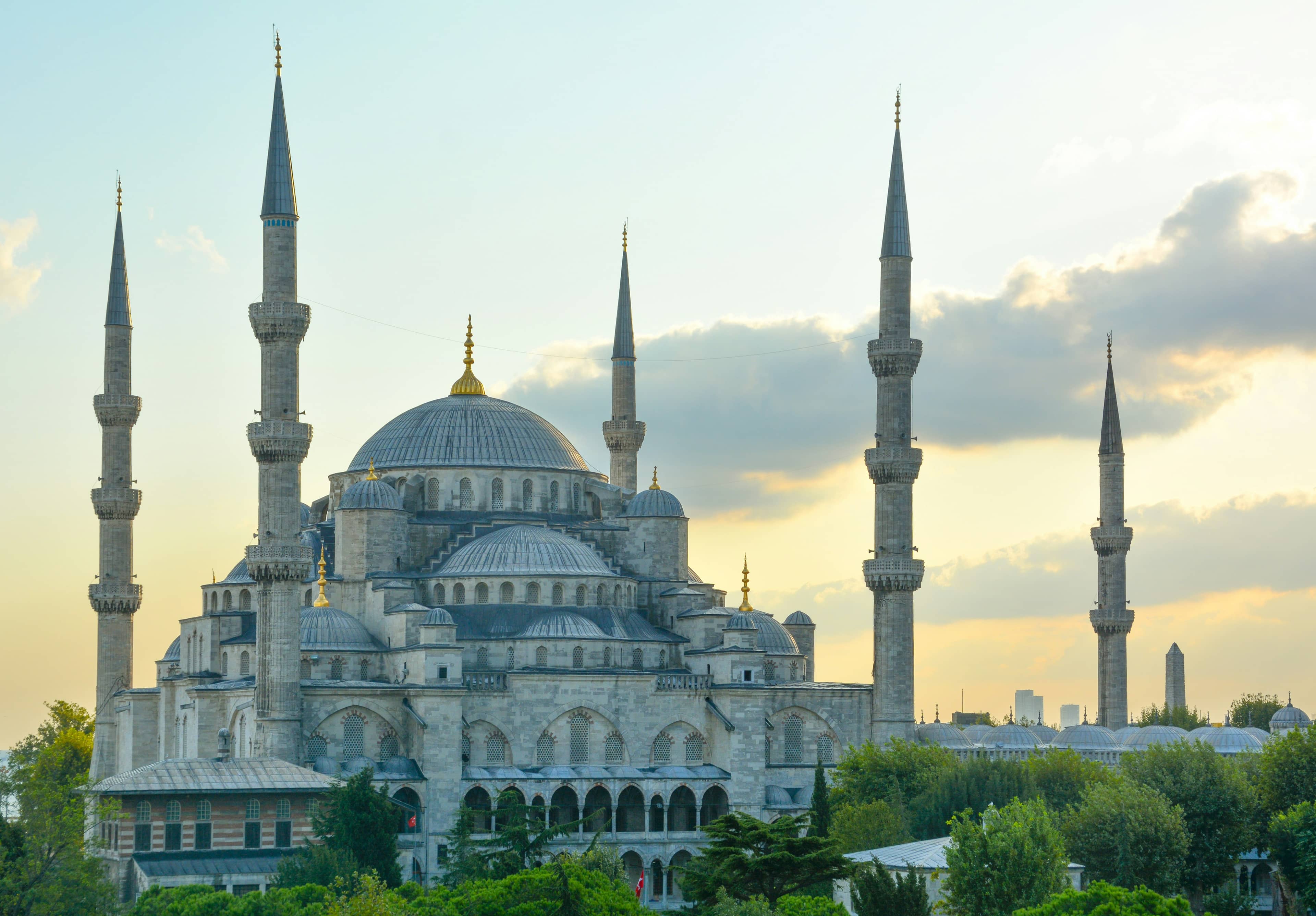
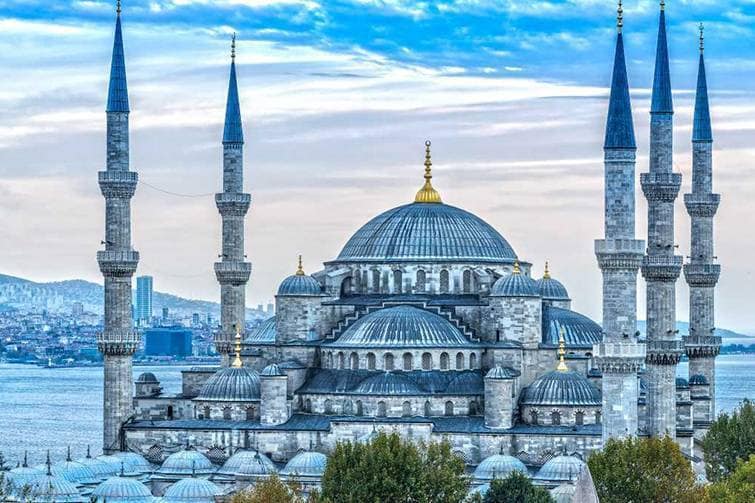
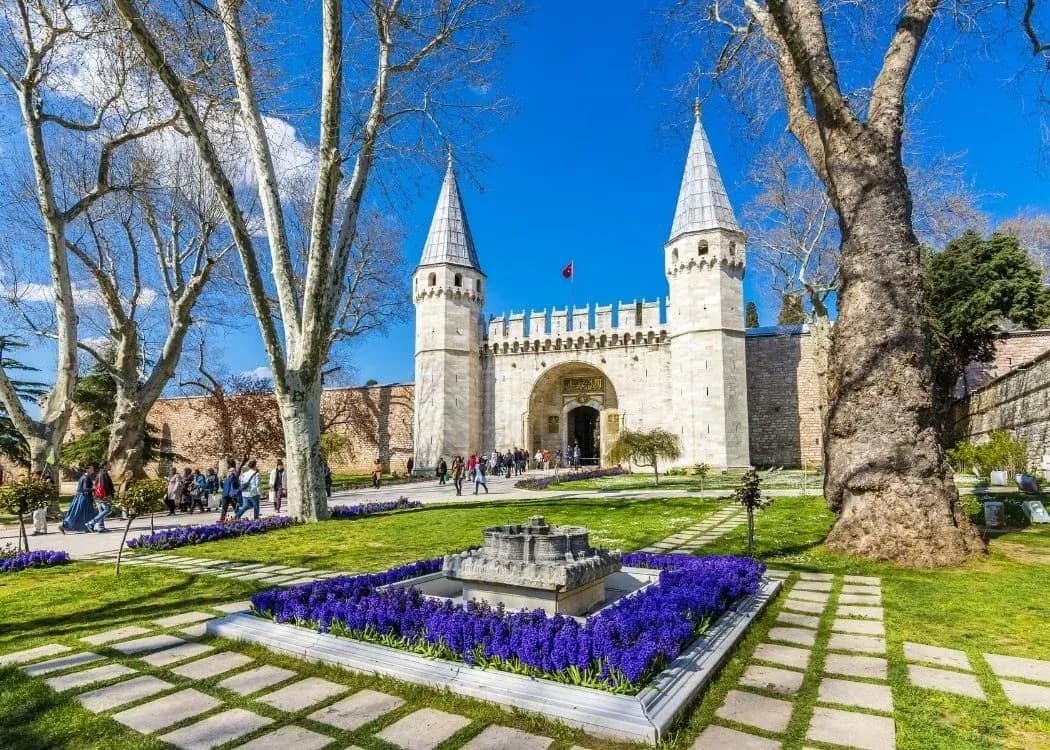
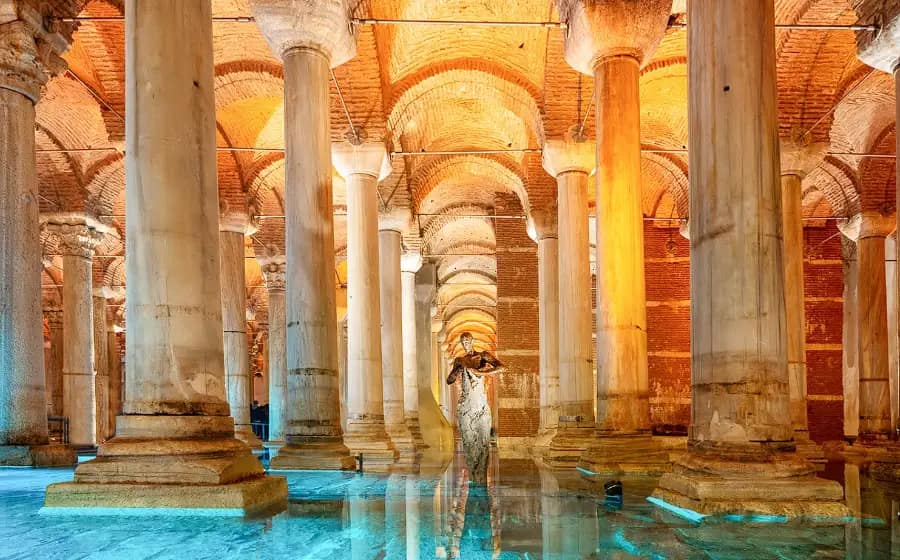
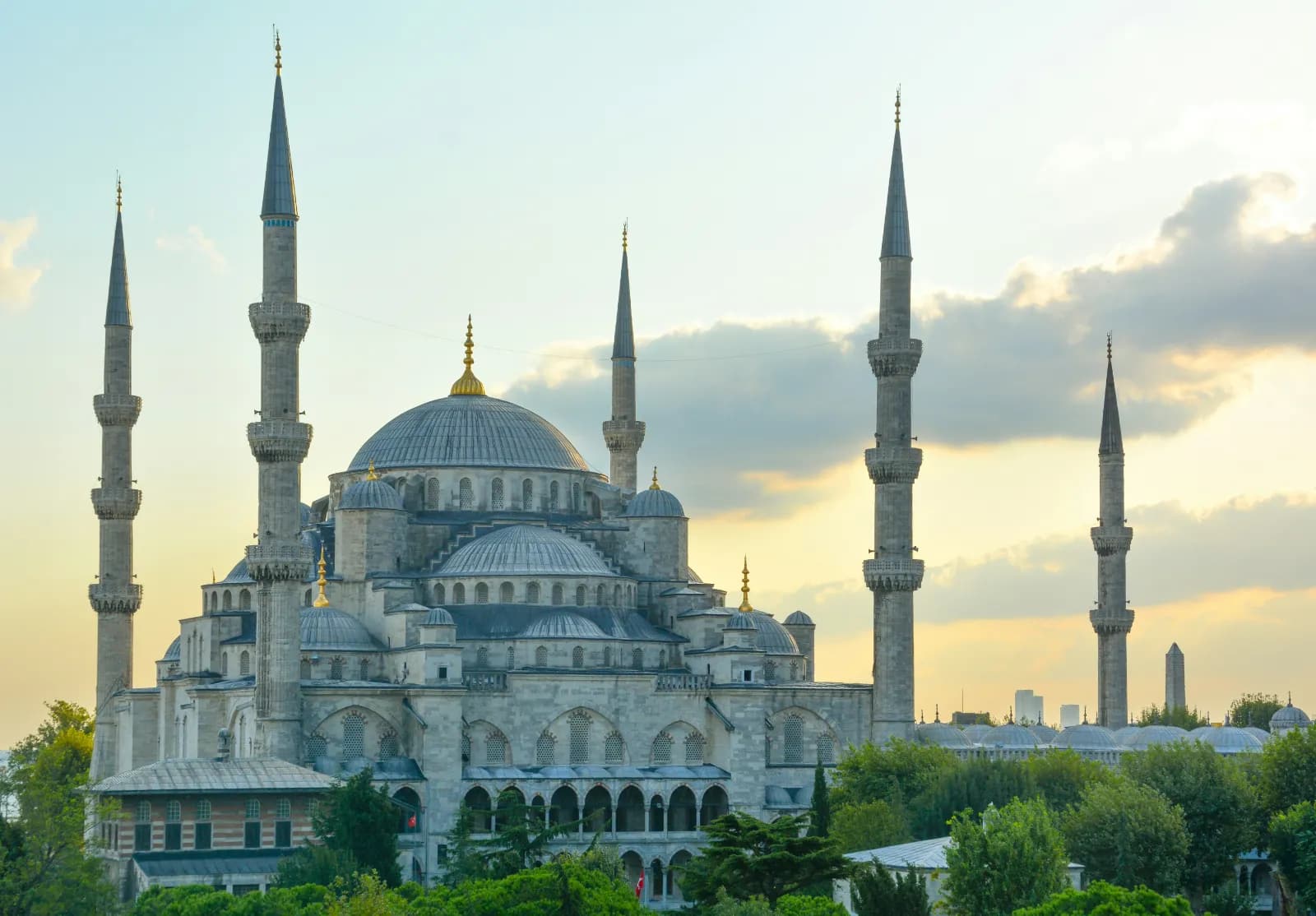
Hagia Sophia's location in Sultanahmet places it at the center of Istanbul's historic district. It is surrounded by some of the city's most famous attractions, including the Blue Mosque, Basilica Cistern, Topkapi Palace, and Sultanahmet Square. Many travelers dedicate an entire day to exploring the remarkable concentration of historical landmarks in the area.
Photography enthusiasts consider Hagia Sophia one of Istanbul’s most rewarding subjects. The exterior presents a dramatic combination of domes and minarets, while the interior offers opportunities to capture intricate details, grand architectural perspectives, and historic artwork. The building is especially impressive during the early morning and late afternoon when natural light enhances its atmosphere.
The attraction appeals to a broad range of visitors, including history enthusiasts, architecture lovers, religious travelers, photographers, and cultural explorers. Its importance extends far beyond Istanbul, making it one of the most significant monuments in the world.
The best time to visit is during spring and autumn when Istanbul enjoys comfortable weather and pleasant sightseeing conditions. Early morning visits often provide a quieter experience and allow visitors to appreciate the building before larger crowds arrive.
A visit to Hagia Sophia is an unforgettable journey through nearly fifteen centuries of history. Its architectural brilliance, cultural significance, and unique blend of traditions make it one of the world's most extraordinary landmarks and an essential destination for anyone visiting Istanbul.
Highlights
What stands out
Getting there
How to Go
Hagia Sophia is located in Sultanahmet and can be reached easily by tram, metro, taxi, or on foot from central Istanbul attractions.
Before you go
Practical Info
Seasonality
Best Time to Visit
April to June and September to November
On the ground
Travel Tips
- Visit early in the morning for a quieter experience
- Dress modestly and respectfully
- Allow extra time to explore nearby attractions
- Bring a camera for architectural photography
- Learn about both Byzantine and Ottoman history before visiting
- Check current visitor guidelines before arrival
- Combine your visit with the Blue Mosque and Basilica Cistern
FAQs
Common questions
Hagia Sophia is famous for its massive dome, Byzantine mosaics, Islamic calligraphy, and its role as both a cathedral and mosque throughout history.
The current structure was completed in 537 CE during the reign of Byzantine Emperor Justinian I.
Yes, Hagia Sophia currently functions as a mosque while remaining one of Istanbul’s most important historical attractions.
Most visitors spend between one and two hours exploring the monument.
Yes, several important Byzantine mosaics remain visible within the building.
Yes, visitors should wear modest clothing and follow the site's religious guidelines.
Early morning visits typically offer fewer crowds and a more peaceful experience.
Yes, both landmarks are located directly opposite each other in Sultanahmet and are commonly visited together.