Overview
Why visit Topkapi Palace
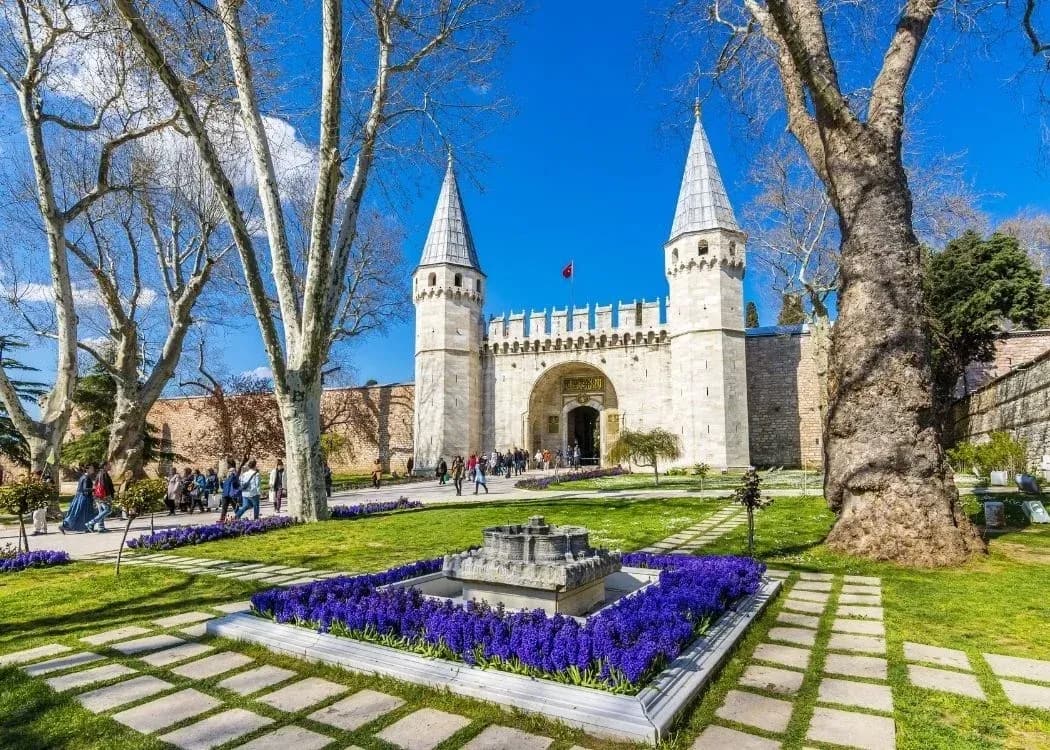
Topkapi Palace stands at the heart of Istanbul’s historic peninsula and remains one of the most important cultural and historical landmarks in Türkiye. Serving as the administrative center and royal residence of the Ottoman Empire for almost 400 years, the palace provides a fascinating glimpse into the lives of the sultans who ruled one of the world's most powerful empires. Its strategic location overlooking the Bosphorus and the Golden Horn reflects both its political significance and its architectural splendor.
Construction of the palace began shortly after the Ottoman conquest of Constantinople by Sultan Mehmed II in the fifteenth century. Rather than building a single monumental structure, the palace evolved into an extensive complex of courtyards, pavilions, gardens, administrative buildings, and residential quarters. Over successive centuries, each sultan contributed additions and improvements, creating the vast palace complex visitors see today.
One of the defining characteristics of Topkapi Palace is its layout. Unlike many European royal residences built as grand unified palaces, Topkapi consists of a series of interconnected courtyards and buildings. This arrangement creates a unique visitor experience, allowing travelers to explore different sections while gradually discovering the layers of Ottoman history and culture.
The First Courtyard serves as the ceremonial entrance and introduces visitors to the scale of the complex. Beyond it lies the Second Courtyard, where administrative functions of the empire were conducted. This area once hosted important state affairs, military gatherings, and official ceremonies. Walking through these spaces provides insight into how the Ottoman government operated at the height of its influence.
One of the most fascinating sections of the palace is the Imperial Harem. This private residential area housed the sultan’s family, wives, concubines, and attendants. The Harem contains beautifully decorated rooms, intricate tilework, elegant courtyards, and richly adorned chambers. Far from the myths often associated with it, the Harem functioned as a highly organized institution and played a significant role in palace politics and Ottoman society.
The palace is also renowned for its treasury. Visitors can admire an extraordinary collection of jewels, ceremonial objects, weapons, and royal possessions. Among the most famous exhibits are priceless gemstones, ornate thrones, gold artifacts, and luxurious gifts presented to Ottoman rulers from around the world. These treasures highlight the wealth and international influence of the empire.
Another major attraction is the Sacred Relics Collection. This section contains revered Islamic artifacts associated with the Prophet Muhammad and other significant religious figures. For many visitors, this area represents one of the most spiritually important parts of the palace and attracts guests from across the Islamic world.
The architecture and decoration throughout Topkapi Palace showcase the artistic achievements of the Ottoman era. Elegant courtyards, decorative fountains, intricate Iznik tiles, carved wooden details, and beautifully landscaped gardens create an atmosphere of refinement and sophistication. Every corner of the palace reflects the craftsmanship and cultural richness of the empire.
The palace's location contributes significantly to its appeal. Numerous terraces and pavilions provide spectacular views of the Bosphorus, the Golden Horn, and the Sea of Marmara. These scenic viewpoints were carefully chosen to emphasize both beauty and strategic advantage. Today, they remain among the best locations in Istanbul for panoramic photography.
Photography enthusiasts will find endless opportunities throughout the complex. Historic architecture, royal interiors, colorful tiles, gardens, and waterfront views provide a diverse range of subjects. The changing light throughout the day enhances the visual appeal of the palace and its surroundings.
Topkapi Palace is suitable for history enthusiasts, architecture lovers, families, photographers, and anyone interested in Ottoman culture. Because of its size and extensive collections, visitors often spend several hours exploring the various sections. Audio guides and guided tours can greatly enhance the experience by providing context and historical detail.
The best time to visit is during spring and autumn when Istanbul enjoys pleasant temperatures and comfortable sightseeing conditions. Arriving early in the morning is recommended to avoid larger crowds and allow sufficient time to explore the extensive grounds.
A visit to Topkapi Palace is an essential part of any trip to Istanbul. Combining imperial history, magnificent architecture, priceless treasures, and breathtaking views, the palace offers one of the most comprehensive and rewarding cultural experiences in Türkiye. It remains a powerful symbol of the Ottoman Empire’s legacy and one of the city's most treasured landmarks.
Highlights
What stands out
Getting there
How to Go
Topkapi Palace is located in the Sultanahmet district of Istanbul. Visitors can reach it easily by tram, metro, taxi, or on foot from nearby attractions such as Hagia Sophia and the Blue Mosque.
Before you go
Practical Info
Seasonality
Best Time to Visit
April to June and September to November
On the ground
Travel Tips
- Visit early in the morning for a quieter experience
- Purchase tickets in advance during peak season
- Allow extra time for the Harem and Treasury
- Carry water, especially during warmer months
- Wear comfortable footwear due to the size of the complex
- Combine your visit with nearby Sultanahmet attractions
- Bring a camera for panoramic Bosphorus views
FAQs
Common questions
Topkapi Palace served as the residence and administrative center of the Ottoman sultans for nearly four centuries.
Most visitors spend between three and five hours exploring the palace complex.
The Imperial Harem was the private residential area of the sultan’s family and household.
Yes, many royal treasures, jewels, weapons, and ceremonial objects are displayed in the Treasury section.
Yes, the palace contains an important collection of sacred relics revered by many Muslims.
Yes, the palace offers educational exhibits and impressive architecture suitable for visitors of all ages.
Spring and autumn provide the most pleasant weather, while early mornings typically have fewer crowds.
Yes, both attractions are located within walking distance of each other in Sultanahmet.