Overview
Why visit Dolmabahçe Palace
Dolmabahçe Palace stands proudly on the European shore of the Bosphorus and ranks among the most impressive historical attractions in Türkiye. Built during the nineteenth century, the palace symbolizes the modernization efforts of the Ottoman Empire and reflects a period when European influences became increasingly prominent in Ottoman architecture, culture, and administration.
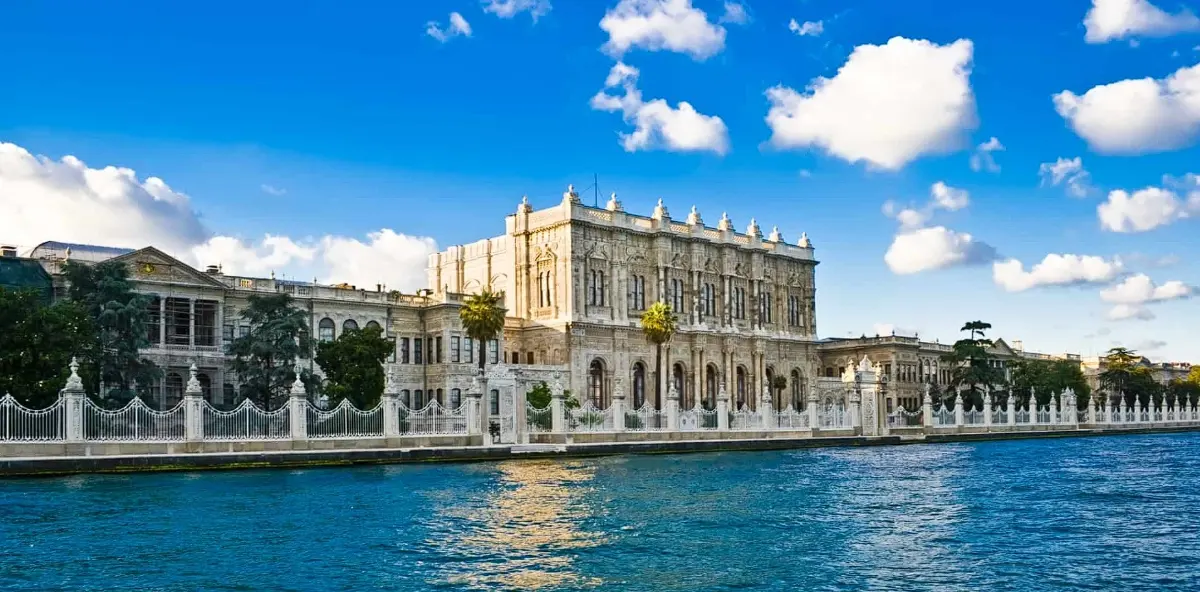
Commissioned by Sultan Abdülmecid I, construction of the palace began in 1843 and was completed in 1856. It was designed to replace Topkapı Palace as the primary administrative residence of the Ottoman sultans. The new palace was intended to demonstrate the empire’s prestige and sophistication while embracing contemporary European architectural trends. The result was a remarkable structure that blended Ottoman traditions with Baroque, Rococo, and Neoclassical influences.
Stretching along the waterfront, Dolmabahçe Palace presents an extraordinary first impression. Its elegant façade overlooks the Bosphorus, creating one of the most recognizable views in Istanbul. The palace complex covers a vast area and includes ceremonial halls, private residential sections, administrative offices, gardens, fountains, and decorative courtyards. Every detail was designed to showcase wealth, power, and artistic excellence.
The interior of the palace is particularly breathtaking. Visitors enter a world of crystal, gold, marble, and intricate craftsmanship. The palace contains hundreds of rooms and halls decorated with luxurious furnishings, ornate ceilings, handwoven carpets, and fine artworks. The combination of Ottoman and European design elements creates an atmosphere unlike any other historical residence in Istanbul.
One of the most famous areas of the palace is the Ceremonial Hall. This magnificent space was used for important state functions and official receptions. Its enormous dome, elegant décor, and monumental crystal chandelier leave a lasting impression on visitors. The chandelier, often highlighted as one of the palace's greatest treasures, is among the largest and most spectacular examples in the world.
Another significant feature of Dolmabahçe Palace is its association with Mustafa Kemal Atatürk, the founder of modern Türkiye. Atatürk spent his final days in the palace and passed away there on November 10, 1938. The room where he died has been preserved and remains one of the most visited sections of the palace. Many visitors regard it as an important place of national remembrance and historical reflection.
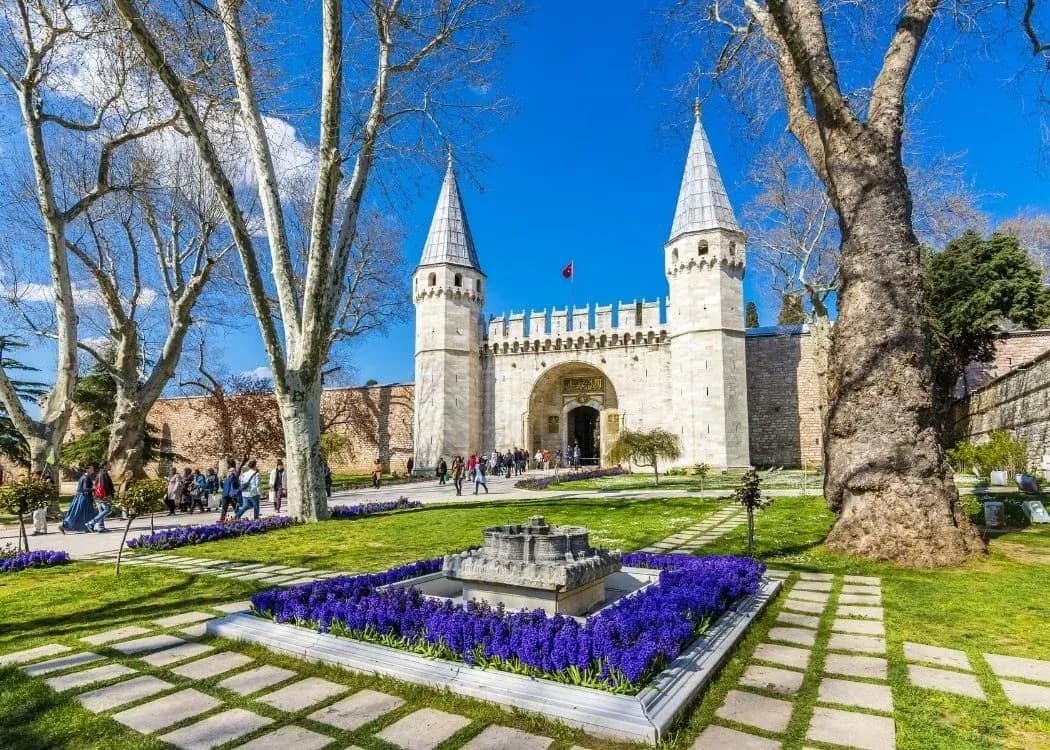
The palace gardens provide a peaceful contrast to the grandeur of the interiors. Carefully landscaped grounds, decorative pools, elegant gates, and waterfront terraces create a relaxing environment for visitors. Walking through the gardens offers beautiful views of the Bosphorus and opportunities to appreciate the architectural details of the palace from different perspectives.
Photography enthusiasts will find countless subjects throughout the complex. The waterfront setting, grand architecture, decorative details, and garden landscapes make Dolmabahçe Palace one of Istanbul’s most photogenic landmarks. While photography restrictions may apply in certain interior areas, the exterior grounds provide excellent opportunities for memorable images.
The location of the palace also makes it easy to include in a broader exploration of Istanbul. Situated in the Beşiktaş district, it is close to many popular attractions, Bosphorus cruises, waterfront cafés, and cultural sites. Visitors often combine a palace visit with a walk along the Bosphorus promenade or a ferry trip between the European and Asian sides of the city.
History enthusiasts will appreciate the insight the palace provides into the final decades of the Ottoman Empire. The architecture, furnishings, and ceremonial spaces reveal how the empire sought to present itself during a period of significant political and cultural transformation. The palace offers a unique perspective on the transition from imperial rule to the modern Turkish Republic.
The best time to visit Dolmabahçe Palace is during spring and autumn when Istanbul enjoys pleasant weather and comfortable sightseeing conditions. Early morning visits often provide shorter queues and a more relaxed experience. Advance ticket planning is recommended during weekends and peak tourist seasons.
A visit to Dolmabahçe Palace is more than a tour of a royal residence. It is an opportunity to experience the luxury, history, and cultural legacy of one of the world's most influential empires. With its magnificent interiors, Bosphorus setting, and historical significance, Dolmabahçe Palace remains one of Istanbul’s most rewarding and unforgettable attractions.
Highlights
What stands out
Getting there
How to Go
Dolmabahçe Palace is located in the Beşiktaş district of Istanbul. Visitors can reach the palace by tram, bus, taxi, ferry, or on foot from nearby Bosphorus attractions and central neighborhoods such as Taksim and Karaköy.
Before you go
Practical Info
Seasonality
Best Time to Visit
April to June and September to November
On the ground
Travel Tips
- Purchase tickets early during peak travel periods
- Visit in the morning for a quieter experience
- Combine your visit with a Bosphorus cruise
- Carry a camera for exterior photography
- Respect photography rules inside the palace
- Wear comfortable footwear for extended walking
- Allow time to explore nearby Beşiktaş attractions
FAQs
Common questions
The palace was commissioned by Sultan Abdülmecid I and completed in 1856 as the new imperial residence of the Ottoman Empire.
It is famous for its luxurious architecture, grand interiors, Bosphorus location, and its connection to both the Ottoman sultans and Mustafa Kemal Atatürk.
Most visitors spend between two and three hours exploring the palace and gardens.
Yes, the room where Atatürk spent his final days is preserved and open to visitors.
Photography rules may vary by section, and restrictions often apply in interior rooms.
The palace combines Ottoman design with Baroque, Rococo, and Neoclassical European influences.
Yes, the palace is suitable for visitors of all ages interested in history, architecture, and culture.
Spring and autumn offer the most pleasant weather, while mornings generally have fewer crowds.