Overview
Why visit Al Fahidi Historical District
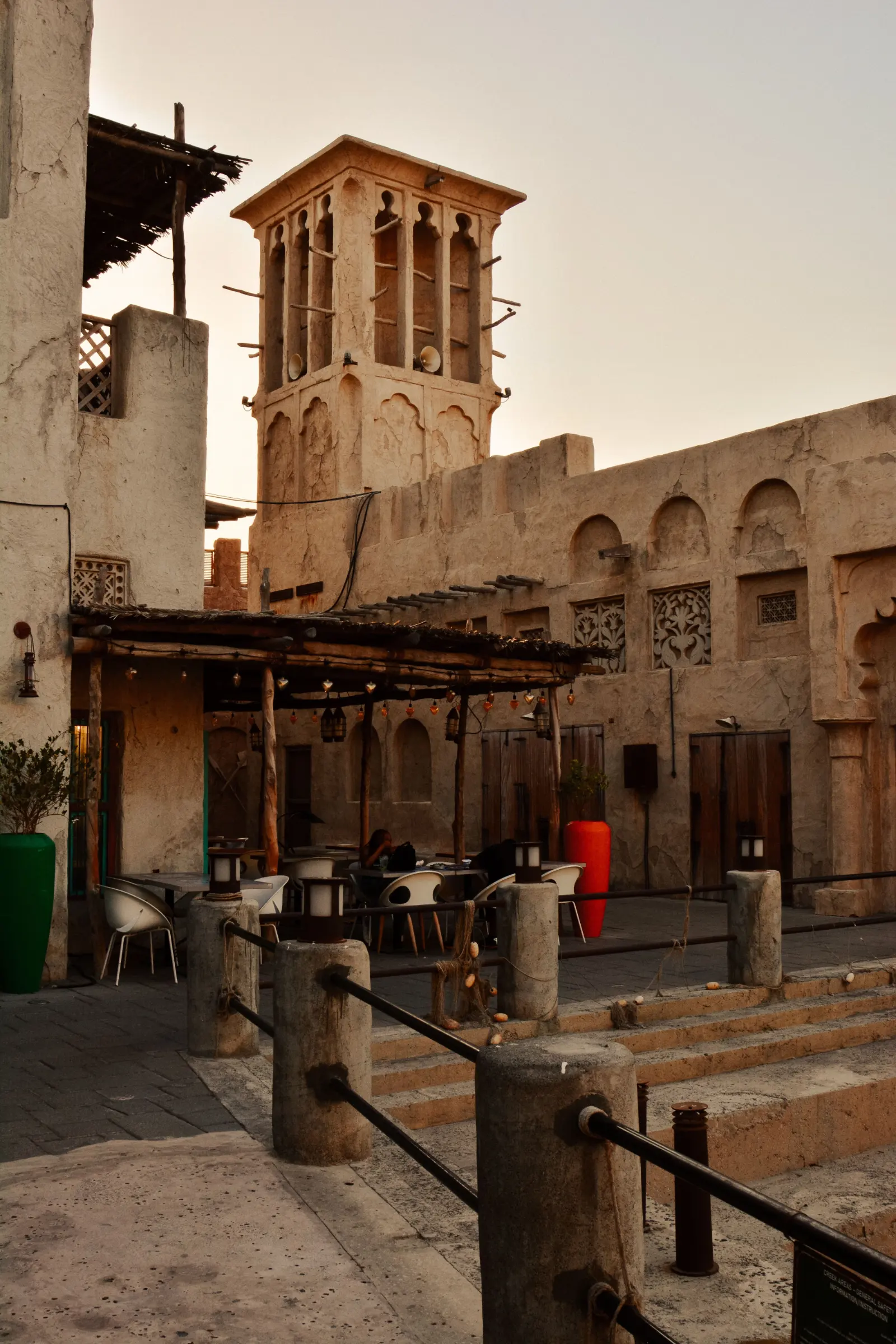
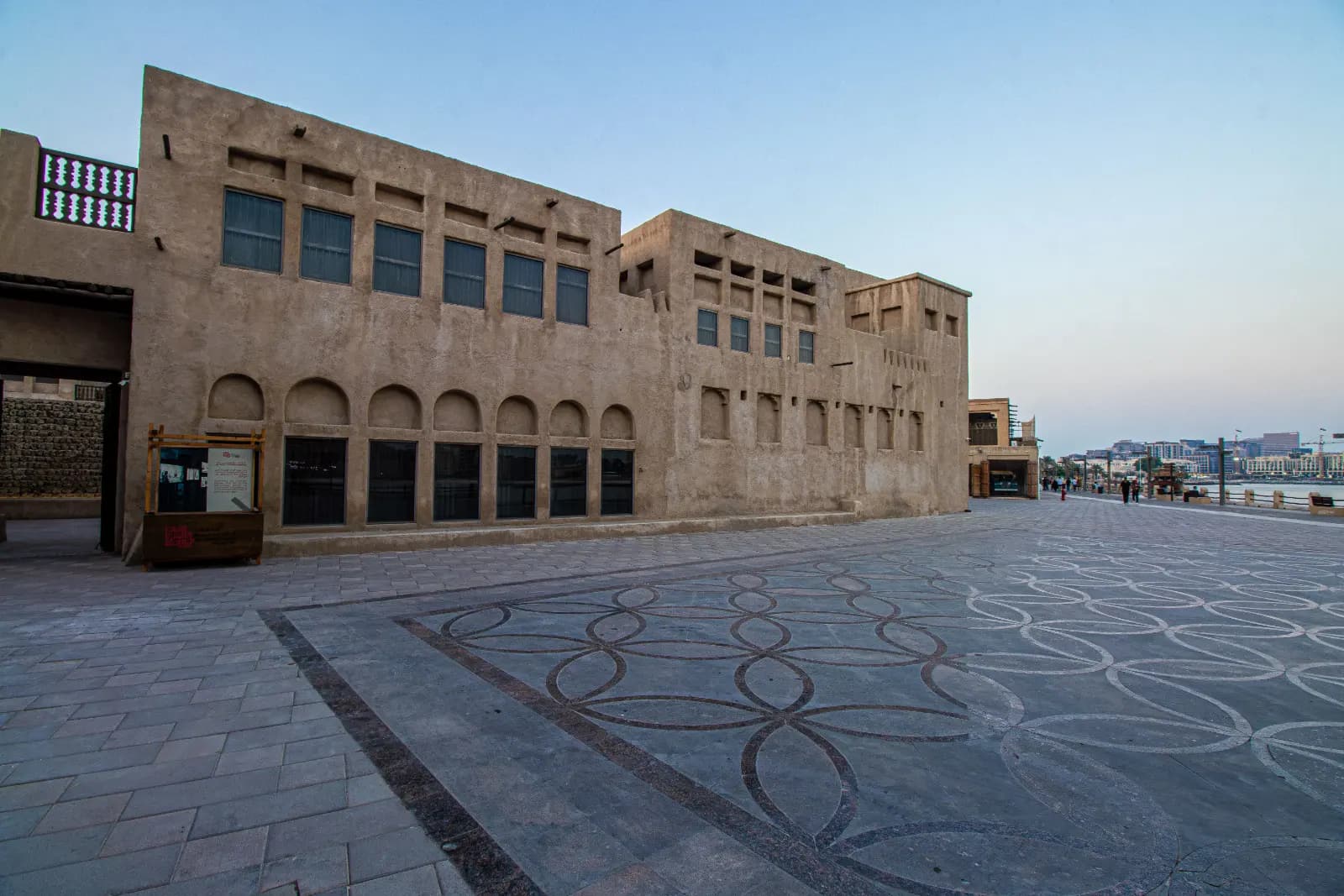
Al Fahidi Historical District, also known as Al Fahidi Historical Neighbourhood, is one of the best places in Dubai to experience the city’s heritage before the age of skyscrapers, luxury malls, and record-breaking attractions. Set in Bur Dubai near Dubai Creek, the district preserves a traditional neighbourhood layout with narrow lanes, sand-coloured buildings, shaded courtyards, wooden doors, wind towers, galleries, museums, cafés, and cultural spaces. It gives travelers a slower and more textured view of Dubai, showing how the city once looked when creek-side trade, pearl diving, fishing, and merchant families shaped daily life.
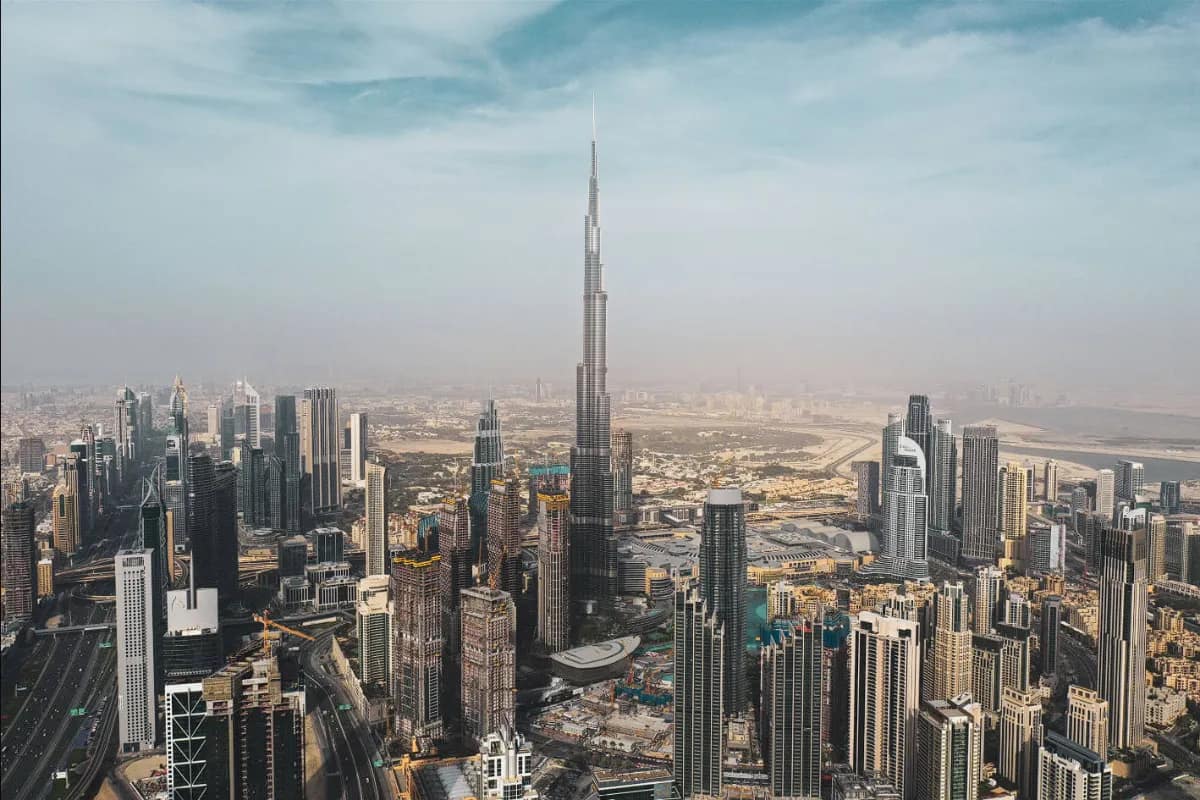
The district is especially important because it offers a contrast to modern Dubai. Many visitors arrive in the city expecting Burj Khalifa, Dubai Mall, Palm Jumeirah, beach clubs, and futuristic architecture. Al Fahidi shows another side of the emirate: a walkable heritage quarter where scale, shade, materials, and community spaces mattered. The buildings are low-rise and close together, creating narrow passageways called sikkas that help block direct sun and make walking more comfortable. Traditional wind towers, known as barjeel, were used to capture air and cool homes before modern air-conditioning, making them one of the district’s most distinctive architectural features.
A visit to Al Fahidi is best experienced on foot. The neighbourhood is not a place to rush through with a checklist. Its charm comes from wandering slowly, turning into quiet lanes, noticing carved doors, stepping into courtyards, visiting small museums, and pausing at cafés or galleries. Some houses have been restored and adapted into cultural centres, exhibition spaces, craft shops, restaurants, and heritage venues. This makes the district feel both preserved and active. It is not only an outdoor museum, but a living cultural zone where visitors can learn, photograph, eat, and rest between stops.
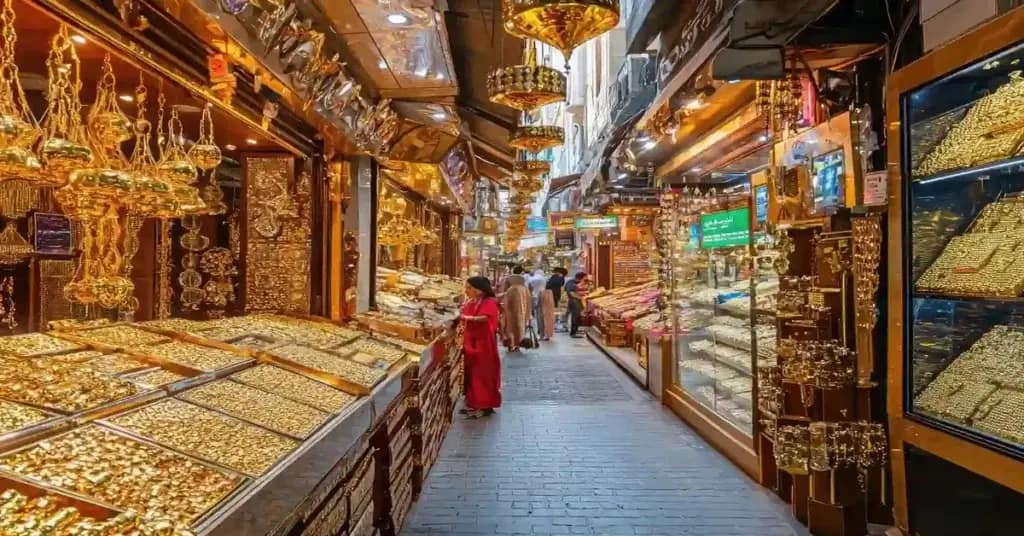
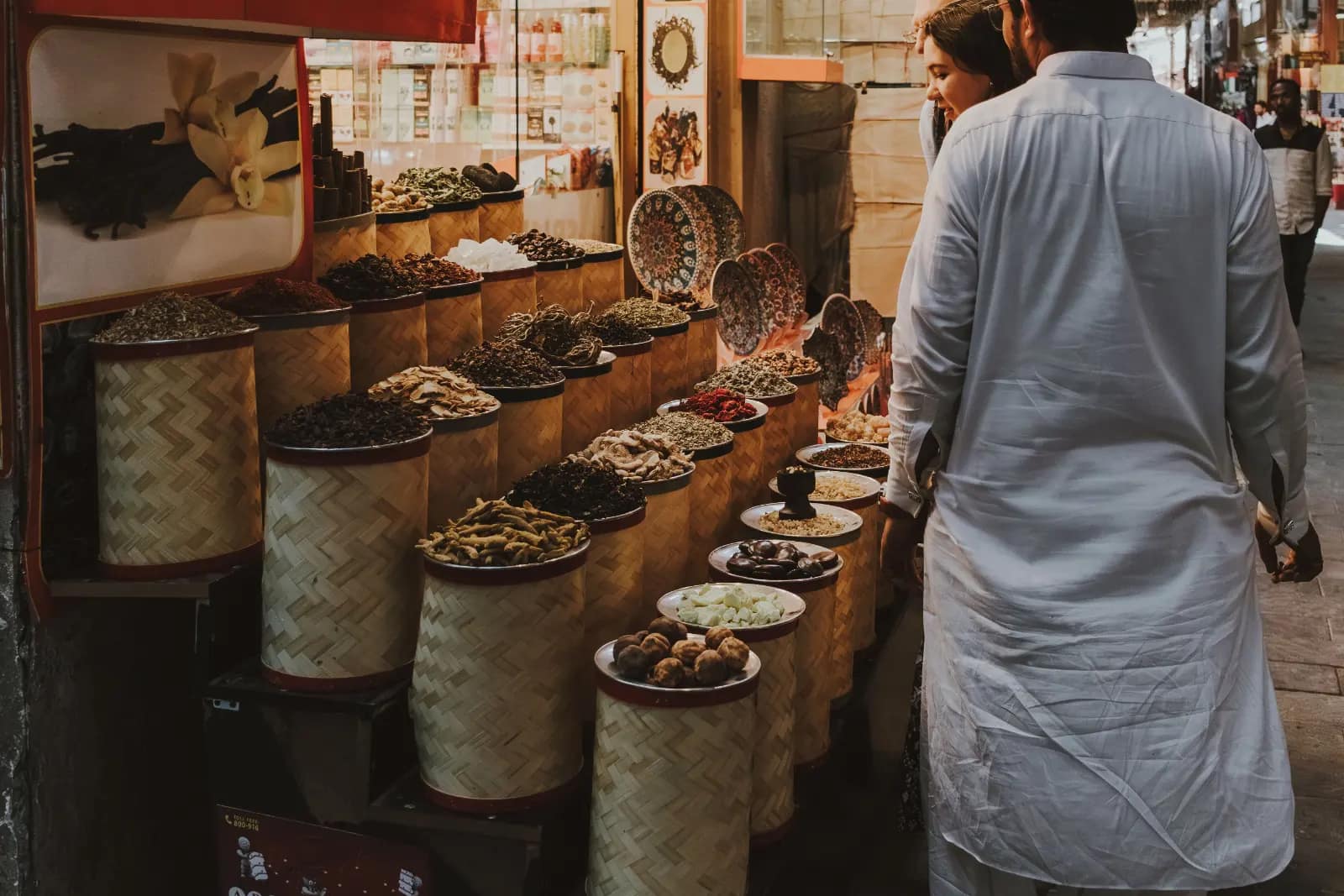
One of the strongest reasons to visit Al Fahidi Historical District is its connection to Dubai Creek. The creek was central to Dubai’s early trading life, and the district sits close enough to combine with an abra ride, Al Seef, Bur Dubai souk areas, and Deira’s Gold Souk and Spice Souk. This makes Al Fahidi an excellent starting point for an Old Dubai itinerary. Travelers can begin in the quieter heritage lanes, continue toward the creek, cross by traditional wooden abra, and then explore the busier market streets of Deira. In a few hours, this route gives a deeper understanding of Dubai’s old commercial and cultural heart.
Photography is one of the main pleasures of Al Fahidi. The district offers a very different visual style from Dubai’s glass towers. The best images include wind towers against the sky, textured walls, lanterns, wooden beams, shaded alleys, courtyard details, Arabic signage, and traditional architectural patterns. Morning is usually good for calmer streets and softer light, while late afternoon brings warmer tones to the buildings. The area is especially rewarding for travelers who enjoy details rather than only wide skyline views. It is also a good place for portrait-style travel photos, provided visitors remain respectful of local culture and avoid photographing people closely without permission.
Al Fahidi is suitable for families, couples, solo travelers, cultural tourists, and repeat visitors to Dubai. Families can enjoy the safe walking environment, short distances, cultural stops, cafés, and nearby creek activities. Couples may prefer the quiet lanes, heritage cafés, and late afternoon atmosphere. Solo travelers can explore comfortably during the day and early evening, especially because the district is popular and easy to navigate. Culture-focused travelers should allow extra time because the area’s value is in small details, not only the main sights.
The neighbourhood also works well for food and coffee breaks. Several cafés and restaurants around Al Fahidi and nearby Al Seef serve Emirati, Arabic, Indian, Iranian, and international dishes. Some venues focus on heritage settings, traditional seating, Arabic coffee, dates, or local flavours, while others are casual places to rest during a walking route. Food in the wider Bur Dubai and creek area can be more affordable than in many newer tourist districts, making the area useful for travelers who want culture and a budget-friendly meal in the same visit.
Al Fahidi Historical District is not a large destination, but it connects naturally to several nearby attractions. The surrounding area includes Al Seef, Dubai Creek, Bur Dubai’s market streets, the Textile Souk, the abra stations, and Deira’s traditional souks across the water. This makes the district a good anchor for a half-day heritage itinerary. Visitors who want more structure can join a guided walking tour or cultural experience, while independent travelers can explore using signs, maps, and nearby landmarks.
The best season to visit is from November to March, when walking outdoors is more comfortable. April and October can also be pleasant in the morning or late afternoon. During summer, the heat and humidity can make walking tiring, especially around midday, even though many buildings and cafés offer air-conditioned breaks. Summer visitors should arrive early, wear breathable clothing, carry water, and use metro or taxis to reduce long outdoor walks. The district itself is generally open daily, with official Dubai Culture information listing working hours from 7:00 AM to 8:00 PM, but individual museums, cafés, galleries, shops, and cultural venues may keep different timings.
Getting to Al Fahidi is easy by Dubai Metro, taxi, ride-hailing app, or private car. Al Fahidi Metro Station on the Green Line is one of the most convenient access points, while BurJuman and Sharaf DG stations may also work depending on your route. Taxis, Careem, and Uber are practical in hot weather or when traveling with children. Parking can be limited in older parts of Bur Dubai, so public transport is often easier. Once inside the district, walking is the best way to experience the heritage lanes.
A typical visit takes one to three hours, depending on how deeply you explore. Travelers who only want a short photo walk can see the main lanes in about an hour. Those who want to visit museums, stop for coffee, read displays, take photos, and continue to the creek should allow at least half a day for the wider area. The best approach is to combine Al Fahidi with Dubai Creek and the souks, because the full story of Old Dubai becomes clearer when you experience both the quiet residential-style heritage district and the active trading atmosphere across the water.
Al Fahidi Historical District is one of Dubai’s most valuable cultural stops because it helps travelers understand the city beyond its modern image. It shows that Dubai’s identity is not only about luxury and speed, but also about trade, architecture, adaptation to climate, family life, and cultural exchange. For first-time visitors, it adds depth to a Dubai itinerary. For repeat visitors, it offers a calmer, more human-scale experience that can feel surprisingly refreshing after the city’s larger attractions.
Highlights
What stands out
Getting there
How to Go
Al Fahidi Historical District is located in Bur Dubai, close to Dubai Creek and Al Seef. The easiest public transport option is Dubai Metro, using Al Fahidi Metro Station on the Green Line, followed by a short walk. BurJuman and Sharaf DG stations may also be useful depending on your route. Taxis, Careem, Uber, and private cars are convenient from most parts of Dubai, especially during hot weather. Parking in older Bur Dubai areas can be limited, so metro or taxi access is often easier. Once there, explore the district on foot.
Before you go
Practical Info
Seasonality
Best Time to Visit
November to March
On the ground
Travel Tips
- Visit in the morning for quieter lanes and softer photography light.
- Combine Al Fahidi with an abra crossing and Deira souks for a complete Old Dubai experience.
- Carry water, especially if visiting between April and October.
- Dress modestly and comfortably because this is a heritage and cultural area.
- Take time to enter courtyards, small museums, cafés, and galleries rather than only walking the main lane.
- Use Al Fahidi Metro Station if you want the easiest public transport access.
- Keep cash for small purchases, cafés, abra rides, or nearby souk visits.
- Avoid rushing, because the district is best enjoyed slowly through architecture, details, and atmosphere.
FAQs
Common questions
Al Fahidi Historical District is located in Bur Dubai, close to Dubai Creek, Al Seef, and the traditional abra stations.
Yes, it is worth visiting for traditional architecture, wind towers, heritage lanes, museums, cafés, galleries, photography, and a deeper view of Old Dubai.
Most visitors need one to three hours, depending on whether they only walk through the lanes or also visit museums, cafés, galleries, and nearby creek areas.
The neighbourhood lanes are generally free to explore, but some museums, guided tours, events, workshops, or special experiences may charge separately.
Morning and late afternoon are the best times, especially from November to March when the weather is cooler for walking.
Take Dubai Metro Green Line to Al Fahidi Metro Station, then walk to the historical district.
Yes, Al Fahidi is close to Dubai Creek, so it is easy to combine with Al Seef, an abra ride, Bur Dubai souks, and Deira’s Gold and Spice Souks.
Yes, it is family-friendly, with safe walking lanes, heritage buildings, cafés, cultural stops, and nearby creek activities, although summer heat can be tiring for children.