Overview
Why visit Ajman Museum
Ajman Museum is the best place to begin understanding the history, culture, and local identity of Ajman. Housed inside Ajman Fort, one of the emirate’s most recognizable historic buildings, the museum gives visitors a clear and accessible look at life in the region before the modern development of the United Arab Emirates. It is not a huge museum, but it is rich in atmosphere and local meaning. For travelers who want to see more than beaches and hotels, Ajman Museum offers a valuable introduction to the emirate’s past, including traditional homes, old markets, fishing, pearl diving, weapons, crafts, manuscripts, and archaeological discoveries.
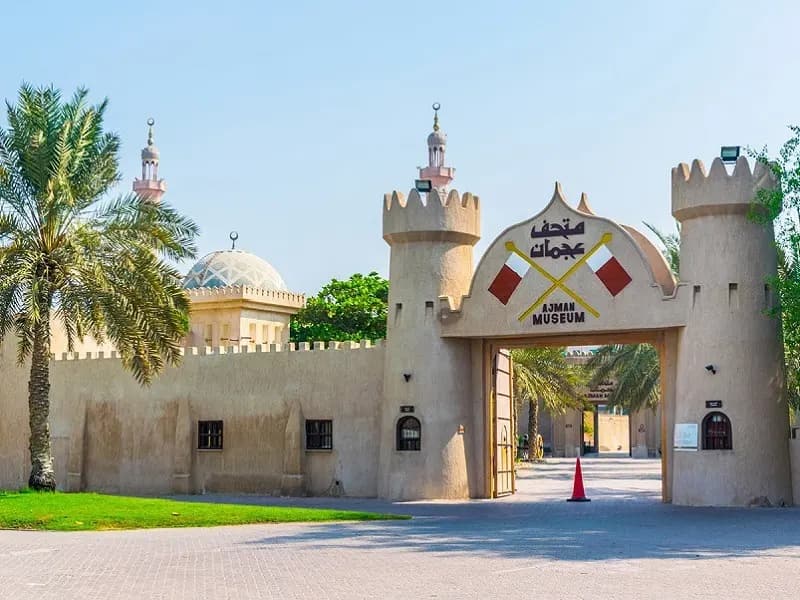
The building itself is a major part of the experience. Ajman Fort was once a defensive structure and later served as a residence for the ruling family before becoming part of the emirate’s public heritage landscape. Its traditional Gulf architecture, thick walls, watchtowers, wind towers, wooden doors, courtyard spaces, and simple defensive details create an immediate sense of place. The fort’s materials and design reflect the climate and building traditions of the region, with features that were used to provide shade, strength, and ventilation before modern construction methods became common. Walking through the fort gives visitors a physical connection to Ajman’s older urban history, making the museum more memorable than a standard gallery space.
Inside the museum, the exhibits are arranged to show different aspects of traditional life in Ajman and the wider Emirates. Visitors can see displays related to pearl diving, fishing, date farming, local trade, traditional medicine, education, and domestic life. Scale models and recreated scenes help bring the past to life, especially for families and first-time visitors who may not already know much about Gulf history. The museum also includes archaeological items, old manuscripts, weapons, pottery, coins, traditional clothing, and household objects. Together, these displays show how people lived, worked, traded, celebrated, and adapted to the desert and coastal environment.
One of the most interesting parts of Ajman Museum is how it presents everyday life rather than only royal or military history. Many visitors come away with a stronger understanding of the skills and resilience required to live in the region before oil wealth and modern infrastructure changed the Gulf. The exhibits explain how communities depended on the sea, seasonal trade, camels, date palms, local crafts, and strong family networks. Pearl diving, in particular, was central to life along the Gulf coast for many generations, and museum displays help visitors understand its economic and cultural importance. These details make the museum useful for travelers who want context before exploring other parts of Ajman, Sharjah, Dubai, or the northern Emirates.
Ajman Museum is also a good attraction for families. Children can enjoy the fort setting, traditional scenes, old weapons, models, and courtyard spaces, while adults can spend time reading displays and appreciating the architecture. The museum’s size makes it manageable for a short visit, usually around one to two hours depending on interest. It is not overwhelming, which makes it easy to include in a half-day Ajman itinerary. Travelers can visit in the morning, then continue to Ajman Beach or Ajman Corniche later in the day. It also works well as an indoor cultural stop during warmer months, though the surrounding outdoor areas are best explored outside the hottest part of the day.
The museum is located in Ajman city, close to the Corniche and other central areas. This makes it convenient for visitors staying in Ajman hotels or arriving from Sharjah. Travelers from Dubai can also visit as part of a northern Emirates day trip, especially if combining Ajman Museum with Ajman Beach, Al Zorah, and local souks. Taxis and ride-hailing services are usually the easiest way to reach the museum, while visitors with rental cars should check nearby parking availability before arriving. Because the museum sits in a central urban area, traffic and parking can vary depending on the time of day.
For photography, Ajman Museum offers several worthwhile opportunities. The fort exterior is especially photogenic, with its traditional towers, wooden entrance, and historic walls. Inside, the courtyard and recreated heritage scenes provide good travel images, although visitors should be respectful when photographing exhibits and follow any posted rules. The best exterior light is usually in the early morning or late afternoon, when the sun is less harsh. The museum also pairs well visually with nearby heritage areas and the waterfront, allowing travelers to capture both old and coastal sides of Ajman in the same day.
Ajman Museum is especially valuable because it gives the emirate a cultural anchor. Ajman is often known for its beaches and relaxed pace, but the museum reminds visitors that the city has a long local history shaped by trade, seafaring, desert life, and community traditions. It helps explain why the older part of Ajman developed around the coast, why the sea was so important, and how local architecture responded to the environment. For travelers interested in Emirati culture, the museum provides a more grounded and educational experience than simply passing through the city.
The best time to visit Ajman Museum is during the cooler months from November to March, especially if you want to combine it with outdoor sightseeing nearby. However, because much of the visit is indoors or shaded within the fort structure, it can also be a useful cultural stop during hotter months. Visitors should check current opening hours before going, as timings can change during public holidays, Ramadan, or special events. The official Visit Ajman tourism website lists Ajman Museum as open daily from 8:00 am to 8:00 pm, but travelers should still confirm before visiting if timing is important.
Ajman Museum is ideal for history lovers, families, culture-focused travelers, photographers, and anyone who wants to understand Ajman beyond its beach resorts. It is not a high-tech museum or a large international institution, and that is part of its charm. Its strength lies in its authenticity, fort setting, local exhibits, and clear connection to the emirate’s identity. A visit here gives travelers a better appreciation of Ajman’s past and makes the rest of the city feel more meaningful. Whether visited as a standalone attraction or as part of a wider Ajman itinerary, Ajman Museum is one of the most important cultural stops in the emirate.
Highlights
What stands out
Getting there
How to Go
Ajman Museum is located inside Ajman Fort in central Ajman, close to Ajman Corniche and the older part of the city. The easiest way to reach it is by taxi, ride-hailing service, or private car from anywhere in Ajman. From Sharjah, the drive is usually short but can take longer during traffic. From Dubai, it can be visited as part of a half-day or full-day Ajman trip. Visitors staying near the Corniche may be able to reach the museum with a short taxi ride.
Before you go
Practical Info
Seasonality
Best Time to Visit
November to March
On the ground
Travel Tips
- Visit early in your Ajman trip to better understand the city’s heritage and local identity.
- Combine the museum with Ajman Beach or Ajman Corniche for an easy half-day plan.
- Check current timings before visiting, especially during Ramadan or UAE public holidays.
- Go in the morning or late afternoon if you want better exterior photos of the fort.
- Take time to look at the recreated traditional life scenes, not only the artifact displays.
- Use a taxi if you are visiting from a hotel, as parking near central areas can vary.
- Dress modestly and comfortably, especially if combining the museum with nearby public areas.
- Allow extra travel time if coming from Dubai or Sharjah during peak traffic.
FAQs
Common questions
Ajman Museum is located inside Ajman Fort in central Ajman, close to Ajman Corniche and the older part of the city.
Visitors can see exhibits on traditional Emirati life, pearl diving, fishing, trade, old weapons, manuscripts, pottery, coins, and archaeological finds.
Yes, Ajman Museum is worth visiting because it gives a clear and interesting introduction to Ajman’s history, culture, and traditional way of life.
Most visitors need around one to two hours to explore Ajman Museum comfortably.
The official Visit Ajman website lists Ajman Museum as open daily from 8:00 am to 8:00 pm, but visitors should confirm before going.
Yes, Ajman Museum is family-friendly because the fort setting, heritage scenes, and visual displays make the visit easy to understand for children and adults.
The easiest way to reach Ajman Museum from Dubai is by private car, taxi, or ride-hailing service, with travel time depending on traffic.
Nearby attractions include Ajman Corniche, Ajman Beach, Ajman Marina, Al Murabbaa Watchtower, and Ajman City Centre.