Overview
Why visit Fujairah Fort
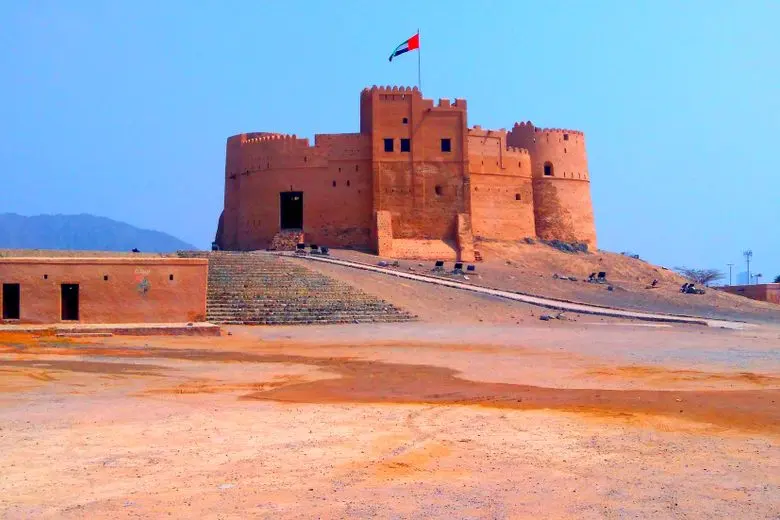
Fujairah Fort is one of the most memorable heritage sites in Fujairah and a key stop for travelers who want to understand the emirate beyond its beaches and mountain scenery. Located in the old Fujairah area, the fort stands on a raised hill around 20 metres above sea level, giving it a commanding position over the city and the surrounding landscape. This elevated setting was not chosen for beauty alone. Like many forts across the region, Fujairah Fort was built for protection, surveillance, and control of the surrounding area, making it both a military structure and a symbol of local identity.
The fort is widely associated with the 16th century and is considered one of the oldest and largest forts in the United Arab Emirates. Its structure reflects the practical defensive architecture of the time, with thick walls, watchtowers, enclosed spaces, and a layout designed to withstand attack while offering wide views over the settlement below. The UAE Ministry of Economy and Tourism describes the fort as one of the most renowned and largest forts of its kind in the country, with three circular towers and one rectangular tower. These architectural features are among the first details visitors notice when approaching the site, especially from the open area below the hill.
For modern visitors, Fujairah Fort is not just a place to take photographs. It is one of the best introductions to the history of the east coast of the UAE. Fujairah developed in a landscape shaped by mountains, wadis, farming villages, coastal trade, fishing, and inland routes. Forts were essential to this way of life because they helped protect communities, secure resources, and maintain authority in a region where geography played a major role in movement and settlement. Standing beside the fort today, travelers can still sense why this site mattered. The mountain backdrop, the old settlement area, and the visibility across Fujairah make the fort feel closely connected to the land around it.
The visitor experience is straightforward and atmospheric. The fort’s exterior is the main highlight, with its mud-brick appearance, rounded towers, textured walls, and hilltop setting creating excellent photography opportunities. Morning light brings softer colours to the fort and surrounding mountains, while late afternoon is especially attractive for warm tones and wider landscape shots. The site is also rewarding for travelers interested in architectural details, as the building’s simple forms reveal how function and local materials guided traditional construction. The fort does not need a long visit, but it deserves unhurried attention. Even a short stop can give travelers a stronger appreciation of Fujairah’s past.
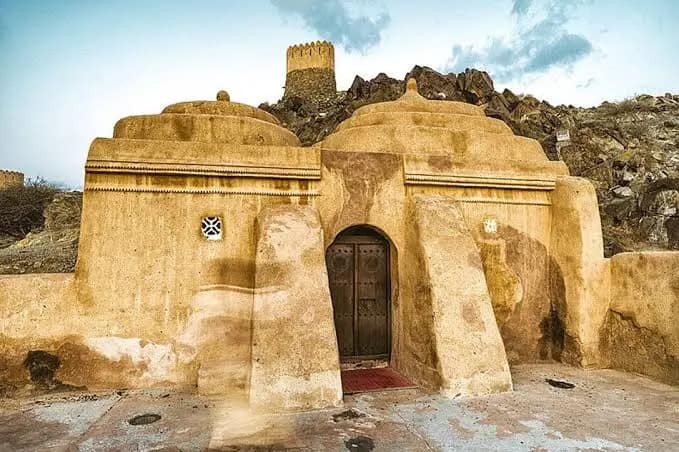
Fujairah Fort is particularly useful as part of a cultural route through the city. Visitors can combine it with Fujairah Museum, the surrounding old village area, and other heritage sites in the emirate. This makes it a good choice for families, photographers, history lovers, first-time visitors to Fujairah, and UAE residents exploring the east coast on a weekend trip. It is also a strong contrast to Fujairah’s coastal resorts and diving areas, offering a cultural pause before continuing toward Al Aqah, Al Bidya Mosque, or the mountain roads.
Accessibility is generally easier than remote mountain attractions because the fort is located within Fujairah city. Travelers arriving by car can usually include it comfortably in a half-day city itinerary. The site’s hilltop position means there may be uneven surfaces, steps, and exposed outdoor areas, so comfortable shoes are useful. Visitors with limited mobility may find some sections harder to access depending on the route and current site conditions. Since heritage sites can occasionally have maintenance work, event use, or access changes, it is sensible to check locally before planning a visit around exact opening times.
The best time to visit Fujairah Fort is during the cooler months from November to March, when walking outdoors is more comfortable. During hotter months, early morning or late afternoon is preferable, as the site is exposed and shade can be limited. The fort is also a good stop for travelers driving from Dubai or Sharjah to Fujairah, because it gives historical context before exploring the coastline. Unlike larger museums or indoor attractions, the appeal here comes from atmosphere, setting, architecture, and the way the fort tells the story of Fujairah’s older urban core.
What makes Fujairah Fort special is its balance of simplicity and significance. It is not an overbuilt tourist attraction, and that is part of its value. The fort stands as a quiet reminder of the emirate’s past, when coastal settlements and mountain communities relied on defensive buildings to protect people, trade, and territory. For anyone visiting Fujairah, it is one of the most worthwhile cultural landmarks to include, especially if the goal is to see the city’s heritage as well as its beaches and mountains.
Highlights
What stands out
Getting there
How to Go
Fujairah Fort is located in the old Fujairah area, a short drive from central Fujairah. The easiest way to reach it is by private car, taxi, or as part of a Fujairah city tour. Travelers coming from Dubai or Sharjah can include the fort on an east coast road trip before continuing to Fujairah Museum, Al Bidya Mosque, Al Aqah Beach, or the mountain areas. Public transport is limited for detailed sightseeing, so a car or arranged transfer is the most practical option.
Before you go
Practical Info
Seasonality
Best Time to Visit
November to March
On the ground
Travel Tips
- Visit early or late in the day for better light and more comfortable temperatures
- Bring water, especially if visiting during warmer months
- Use the fort as the first cultural stop before heading to beaches or mountain areas
- Pair the visit with Fujairah Museum for stronger historical context
- Avoid rushing the exterior, as the best photos are often from different angles below the hill
- Respect the heritage setting and avoid climbing on restricted walls or fragile areas
- Check current access locally if visiting during public holidays or major events
FAQs
Common questions
Fujairah Fort is located in the old Fujairah area of Fujairah city in the United Arab Emirates.
Fujairah Fort is famous as one of the UAE’s oldest and largest forts, known for its defensive history, hilltop position, and traditional architecture.
Fujairah Fort is widely associated with the 16th century, making it one of the oldest historic forts in the UAE.
Most visitors spend around 30 minutes to 1 hour at Fujairah Fort, depending on photography and nearby sightseeing.
Yes, Fujairah Fort is a good family-friendly cultural stop, especially for a short visit combined with Fujairah Museum or other city attractions.
The best time to visit is from November to March, or early morning and late afternoon during hotter months.
Yes, Fujairah Fort can be visited on a day trip from Dubai by car, usually as part of an east coast itinerary.
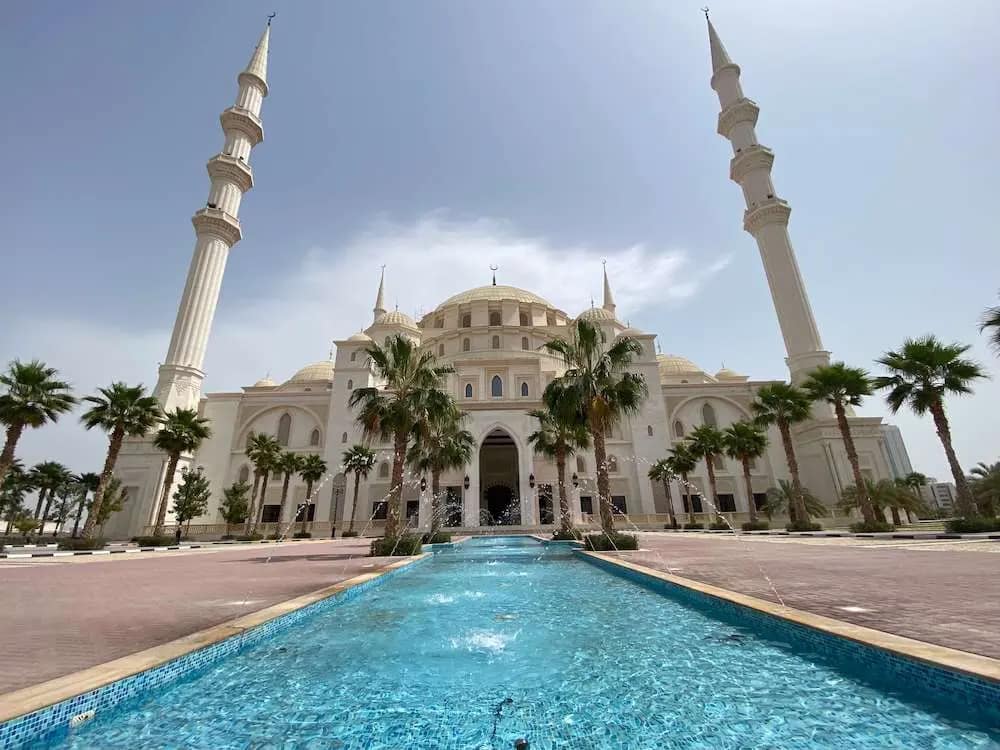
Nearby attractions include Fujairah Museum, the old heritage area, Sheikh Zayed Mosque Fujairah, Fujairah Corniche, and Al Bidya Mosque.