Overview
Why visit Al Ain Oasis
Al Ain Oasis is one of the most meaningful places to visit in Al Ain and one of the best examples of how people adapted to desert life in the Arabian Peninsula. Located in the middle of the city, the oasis feels calm, shaded, and deeply connected to the history of the United Arab Emirates. While many UAE attractions are known for modern architecture and entertainment, Al Ain Oasis tells an older story: a story of water, farming, settlement, trade, and community life in a harsh desert environment. For travelers who want to understand the cultural roots of the country, this is an essential stop.
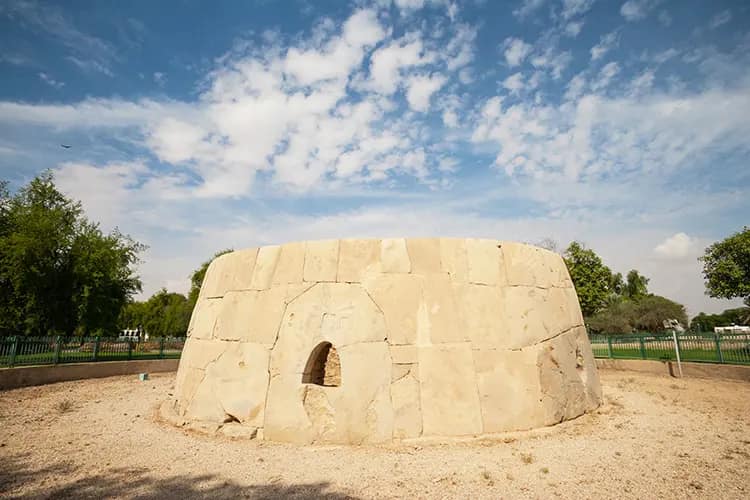
The oasis is part of the UNESCO-listed Cultural Sites of Al Ain, which include the six oases of Al Ain and important archaeological sites such as Hafit, Hili, and Bidaa Bint Saud. Al Ain Oasis itself is the largest of the Al Ain oases and is especially important because it preserves a traditional falaj irrigation system. This ancient system carried water through channels to support palm groves and farms, allowing communities to live and grow crops in an otherwise dry environment. The presence of water made the oasis a place of life, shade, food, and settlement for thousands of years.
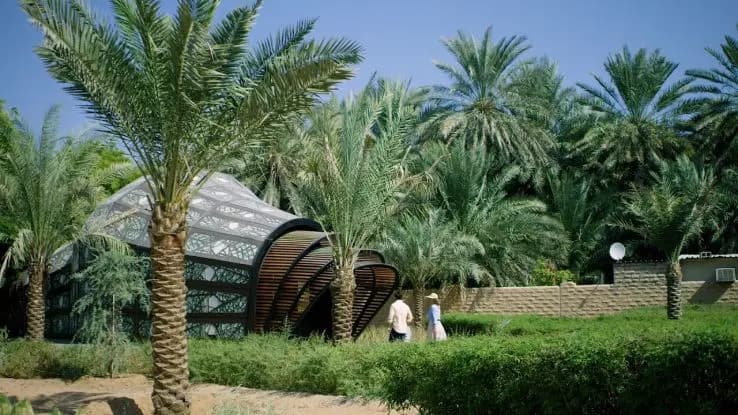
Walking through Al Ain Oasis is a peaceful experience. Shaded pathways pass between date palms, fruit trees, working farms, and quiet irrigation channels. The atmosphere is very different from the busy roads outside. Inside the oasis, the sound of traffic fades, and visitors can slow down, listen to birds, notice the movement of water, and appreciate the temperature difference created by the trees. The shade from the palms makes the walk more comfortable than many open outdoor attractions in the UAE, especially during the cooler months.
The date palm is at the heart of the oasis experience. Al Ain Oasis contains around 147,000 date palms, along with other cultivated plants and fruit trees. For generations, dates were a vital food source and an important part of local life, trade, hospitality, and seasonal farming. The oasis helps visitors understand why palm agriculture was so important in the region before the modern economy developed. It also shows how natural resources were managed carefully, with water distributed through channels and farms arranged around the needs of the community.
One of the most useful parts of the visit is the chance to learn about the falaj system. This traditional irrigation method is one of the main reasons Al Ain Oasis has such cultural value. It reflects practical engineering, environmental knowledge, and cooperation between communities. Instead of treating the desert as empty land, the oasis shows how people used available water intelligently and created productive agricultural areas. For families, students, and culture-focused travelers, this makes the site both educational and enjoyable.
Al Ain Oasis is also a good place for photography, but its beauty is subtle rather than dramatic. The best images are often found in the contrast between sunlight and shade, the lines of palm trunks, narrow walking paths, small water channels, and glimpses of farms behind simple gates. Early morning and late afternoon offer softer light and a more relaxed atmosphere. Visitors who enjoy calm travel photography will find the oasis rewarding, especially because it shows a side of the UAE that is natural, traditional, and human in scale.
The oasis suits many types of travelers. History lovers will appreciate its UNESCO connection and role in Al Ain’s cultural landscape. Families can enjoy an easy walk in a shaded environment, especially when combined with nearby attractions. Couples and solo travelers may prefer it as a quiet break from malls, traffic, and city sightseeing. It is also a strong choice for visitors who want to experience Al Ain beyond Jebel Hafeet and the major forts. Because the oasis is centrally located, it can fit easily into a half-day or full-day itinerary.
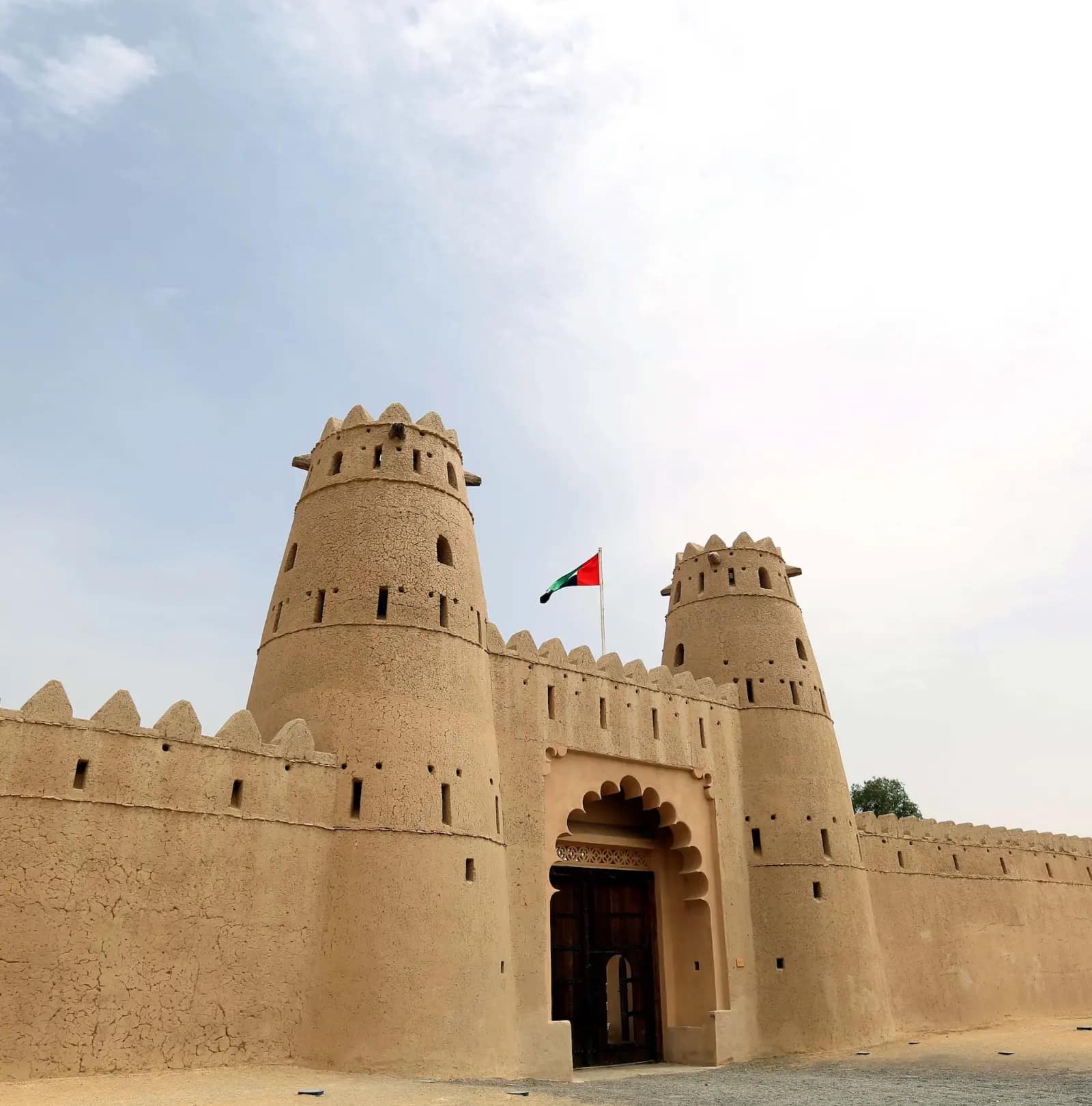
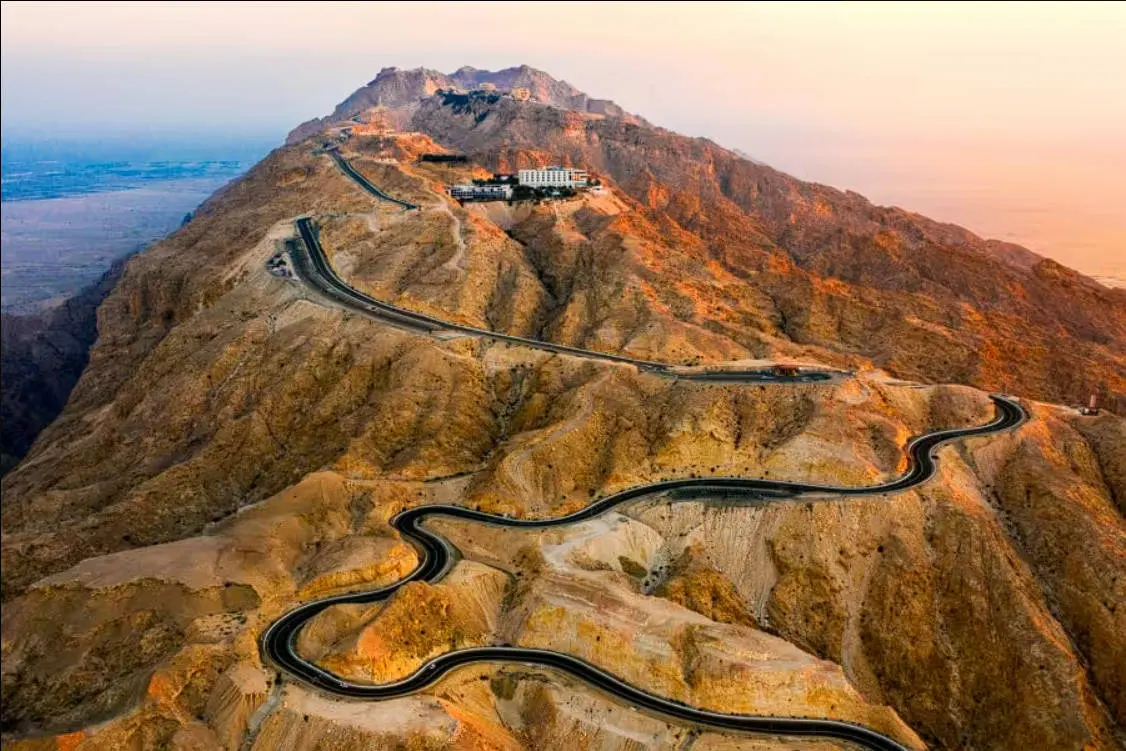
A visit to Al Ain Oasis is often best combined with nearby heritage sites. Al Ain Palace Museum, Al Jahili Fort, Qasr Al Muwaiji, and Hili Archaeological Park all help complete the story of the city. Together, these places show Al Ain as a historic oasis settlement, not just a modern inland city. Travelers can begin with the oasis in the morning, visit a museum or fort afterward, and continue to Jebel Hafeet or Green Mubazzarah later in the day. This gives a balanced experience of nature, heritage, and landscape.
The best season to visit Al Ain Oasis is from November to March, when outdoor walking is more comfortable. During summer, Al Ain can be extremely hot, so visits should be planned early in the morning or later in the afternoon. Even though the oasis is shaded, heat can still be strong, and visitors should carry water, wear comfortable shoes, and avoid rushing. The pathways are generally easy to explore, but the site covers a large area, so travelers should allow enough time to walk slowly and enjoy the atmosphere.
Al Ain Oasis is not a place to rush through only for a photo. Its value comes from slowing down and noticing how the landscape works. The water channels, palm shade, farm plots, and quiet paths reveal how life was made possible in the desert long before modern infrastructure. This makes the oasis one of the most authentic and educational attractions in Al Ain. For anyone visiting the UAE who wants more than beaches, towers, and shopping, Al Ain Oasis offers a rare and memorable connection to the country’s heritage.
Highlights
What stands out
Getting there
How to Go
Al Ain Oasis is located in central Al Ain and is easiest to reach by car, taxi, or organized city tour. From Abu Dhabi or Dubai, visitors can travel to Al Ain by road and include the oasis as part of a full-day itinerary. A private car or rental car is the most convenient option because Al Ain’s attractions are spread across the city. The oasis can be combined with Al Ain Palace Museum, Al Jahili Fort, Qasr Al Muwaiji, Hili Archaeological Park, and Jebel Hafeet.
Before you go
Practical Info
Seasonality
Best Time to Visit
November to March
On the ground
Travel Tips
- Visit during the cooler months for the most comfortable walking experience.
- Bring water, especially if visiting outside winter.
- Take your time, as the oasis is best enjoyed slowly rather than rushed.
- Use the shaded paths for photography, especially in the morning or late afternoon.
- Combine the visit with Al Ain Palace Museum or Al Jahili Fort for more cultural context.
- Avoid the hottest part of the day during summer.
- Wear modest, comfortable clothing suitable for walking in a heritage area.
- Check current visitor information before going, as access points and facilities may vary.
FAQs
Common questions
Al Ain Oasis is located in the centre of Al Ain in Abu Dhabi Emirate, United Arab Emirates.
Yes, Al Ain Oasis is part of the UNESCO-listed Cultural Sites of Al Ain, which include oases and archaeological sites.
Al Ain Oasis is special because it preserves traditional palm farming, shaded pathways, and the ancient falaj irrigation system used in desert agriculture.
Most visitors spend around one to two hours walking through the oasis and learning about its heritage.
The best time to visit is from November to March, especially in the morning or late afternoon when the weather is cooler.
Yes, Al Ain Oasis is suitable for families because it offers easy walking paths, shade, and an educational look at Emirati heritage.
Yes, Al Ain Oasis can be visited on a day trip from Abu Dhabi, especially when combined with other Al Ain attractions.
Nearby attractions include Al Ain Palace Museum, Al Jahili Fort, Qasr Al Muwaiji, Hili Archaeological Park, and Jebel Hafeet.