Overview
Why visit Blue Mosque
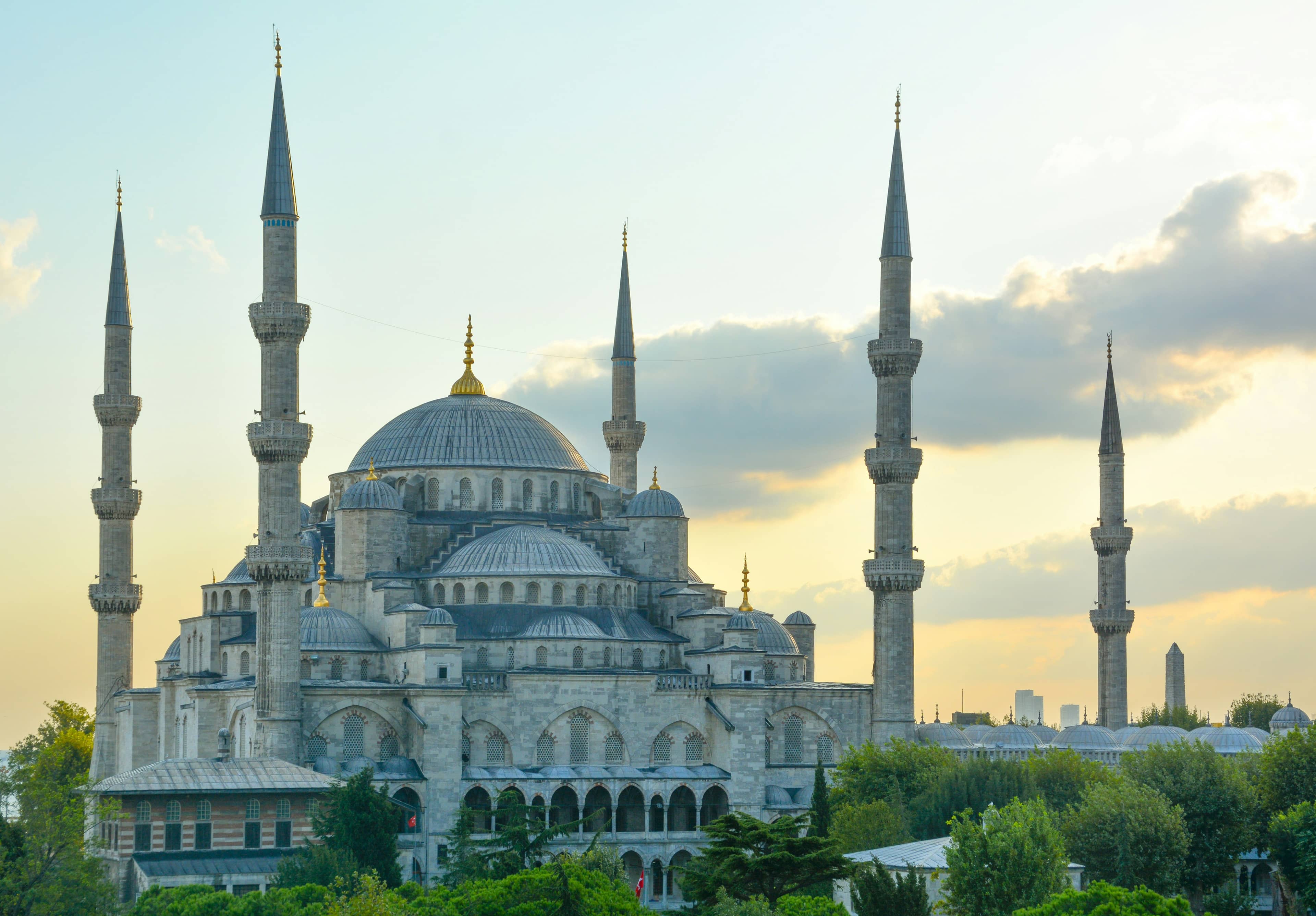
The Blue Mosque stands as one of the most recognizable symbols of Istanbul and one of the finest examples of classical Ottoman architecture. Officially named the Sultan Ahmed Mosque after the Ottoman ruler who commissioned it, the mosque has captivated visitors for more than four centuries with its harmonious design, impressive scale, and spiritual atmosphere. Situated in the historic Sultanahmet district, directly opposite Hagia Sophia, it occupies one of the most historically significant locations in the city.
Construction of the mosque began in 1609 during the reign of Sultan Ahmed I and was completed in 1616. The project was intended to demonstrate the strength and prestige of the Ottoman Empire while creating a grand imperial mosque that would rival the architectural achievements of earlier periods. Designed by architect Sedefkâr Mehmed Ağa, a student of the renowned Mimar Sinan, the mosque successfully combined traditional Ottoman design principles with influences drawn from Byzantine architecture.
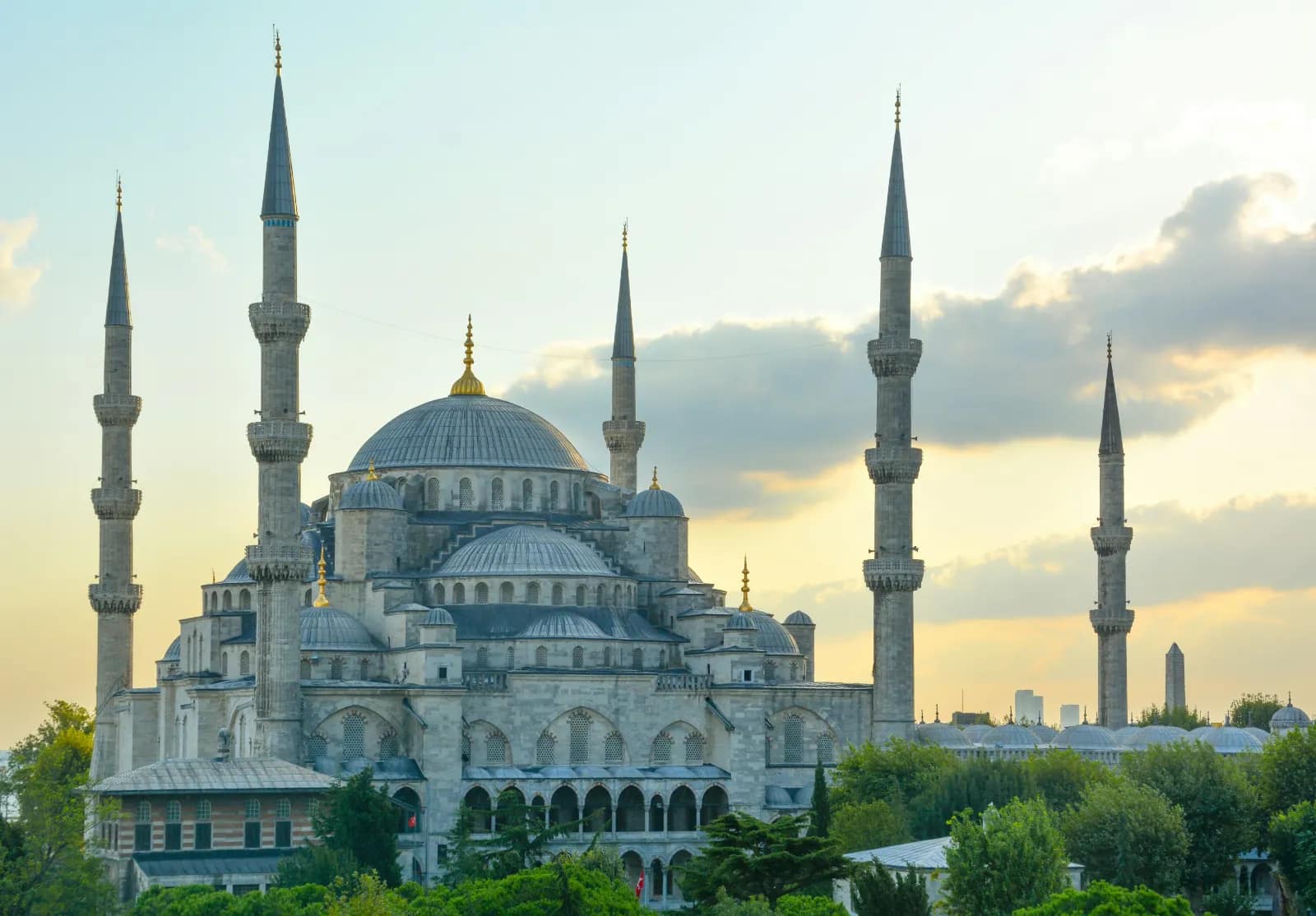
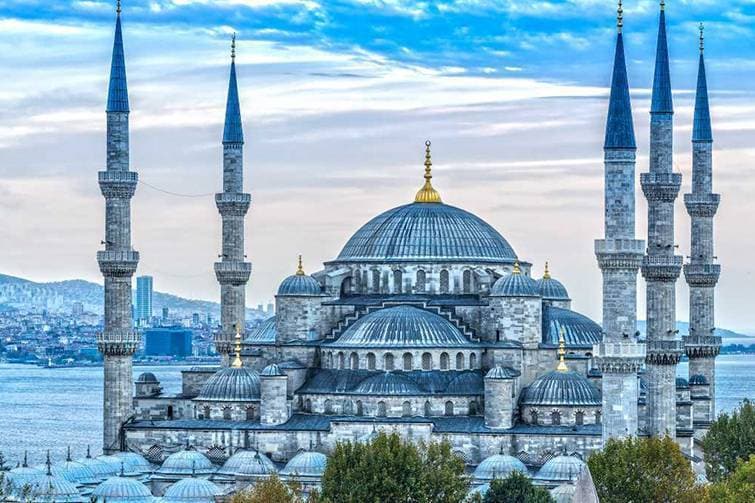
One of the most distinctive features of the Blue Mosque is its six slender minarets. At the time of its construction, this was an unusual feature and generated considerable attention throughout the Islamic world. Today, the minarets contribute significantly to the mosque’s unique silhouette and help make it one of the most photographed landmarks in Istanbul.
The mosque's exterior is dominated by a cascade of domes and semi-domes that create a sense of balance and elegance. The central dome rises prominently above the structure, while smaller domes gradually descend toward the surrounding courtyards. This arrangement reflects the sophistication of Ottoman architectural design and contributes to the mosque’s impressive appearance from every angle.
Upon entering the mosque, visitors encounter one of its most celebrated features: the magnificent interior decorated with more than twenty thousand handcrafted Iznik ceramic tiles. These tiles display intricate floral and geometric patterns in shades of blue, turquoise, green, and white. The abundance of blue decorative elements eventually led foreign visitors to popularize the name "Blue Mosque," a title by which it is now known worldwide.
Natural light plays a crucial role in the mosque's interior atmosphere. Hundreds of windows allow sunlight to illuminate the prayer hall, highlighting the colorful tilework and creating a peaceful environment. The spacious interior, elegant calligraphy, decorative chandeliers, and impressive dome all contribute to a sense of grandeur while maintaining a serene spiritual character.
As an active mosque, the Blue Mosque continues to serve as an important place of worship for Istanbul’s Muslim community. Visitors are welcome outside prayer times and are encouraged to respect the religious significance of the site. This living connection to faith distinguishes the mosque from many purely historical monuments and adds depth to the visitor experience.
The courtyard is another highlight of the complex. Surrounded by elegant arcades and featuring a central ablution fountain, it is among the largest mosque courtyards in Türkiye. The open space provides excellent opportunities to admire the architecture and appreciate the scale of the structure before entering the main prayer hall.
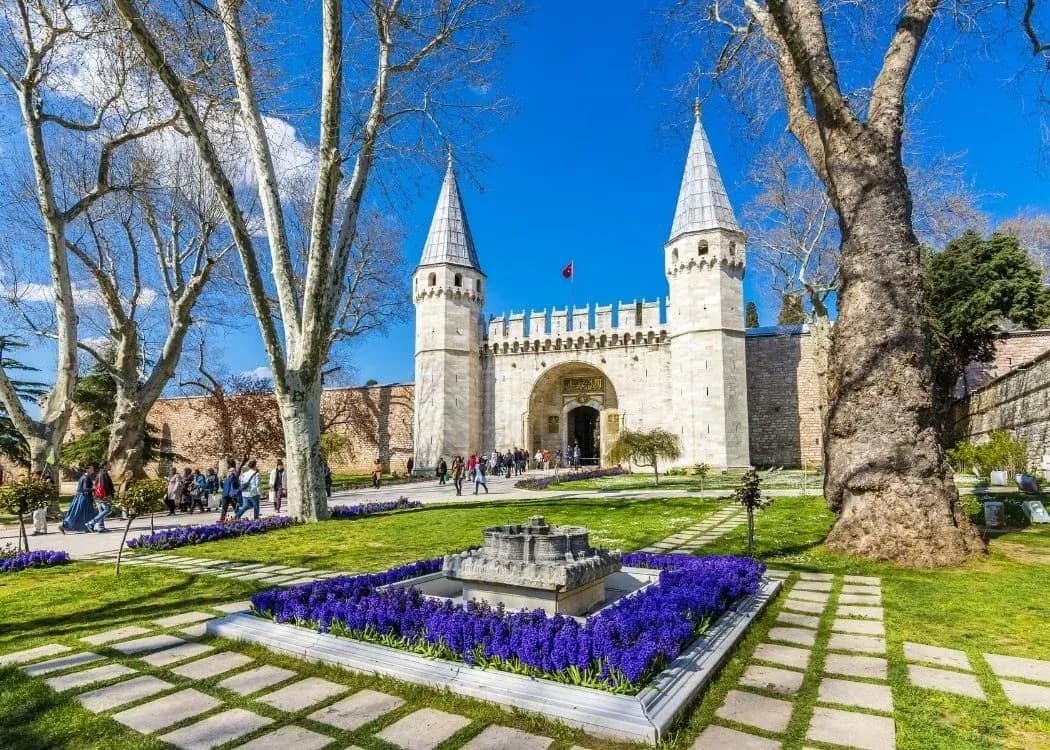
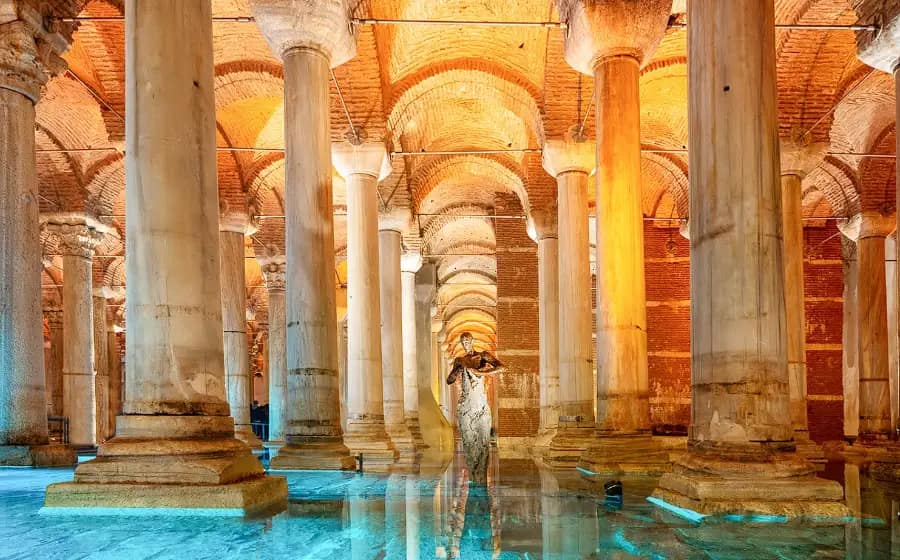
The location of the Blue Mosque makes it one of the most accessible attractions in Istanbul. Situated in Sultanahmet Square, it lies within walking distance of several major landmarks, including Hagia Sophia, the Basilica Cistern, Topkapi Palace, and the Grand Bazaar. Many visitors spend an entire day exploring this historic district due to the concentration of world-famous attractions nearby.
Photography enthusiasts are particularly drawn to the mosque. The exterior is especially striking during sunrise and sunset, when changing light enhances the colors of the stone and surrounding skyline. Interior photography is generally permitted in designated areas, allowing visitors to capture the beauty of the famous blue tiles and impressive architectural details.
The mosque appeals to a wide range of travelers, including history enthusiasts, architecture lovers, photographers, religious visitors, and first-time tourists exploring Istanbul. Its combination of historical significance, artistic achievement, and spiritual importance makes it one of the city's most rewarding destinations.
The best time to visit is during the spring and autumn months when temperatures are pleasant and sightseeing conditions are ideal. Early morning visits often provide a quieter atmosphere and better opportunities to appreciate the architecture before larger crowds arrive.
A visit to the Blue Mosque offers an unforgettable introduction to Istanbul’s rich cultural heritage. Combining architectural brilliance, artistic beauty, historical importance, and active religious life, it remains one of the most treasured landmarks in Türkiye and an essential destination for every traveler visiting Istanbul.
Highlights
What stands out
Getting there
How to Go
The Blue Mosque is located in Sultanahmet and can be reached easily by tram, metro, taxi, or on foot from many central Istanbul attractions.
Before you go
Practical Info
Seasonality
Best Time to Visit
April to June and September to November
On the ground
Travel Tips
- Visit outside prayer times for the best experience
- Dress modestly and respectfully
- Bring a scarf if needed for mosque entry
- Explore the courtyard before entering the mosque
- Combine your visit with nearby Sultanahmet attractions
- Visit early morning for fewer crowds
- Allow time to appreciate the architectural details
FAQs
Common questions
The mosque is known as the Blue Mosque because of the thousands of blue Iznik tiles that decorate its interior.
Yes, it remains an active place of worship and continues to host daily prayers.
No, entry to the Blue Mosque is free for visitors.
Visitors should dress modestly, covering shoulders and knees, and women should wear a headscarf in designated prayer areas.
Most visitors spend between one and two hours exploring the mosque and its surroundings.
Yes, non-Muslim visitors are welcome outside prayer times while respecting the mosque’s rules.
Early morning or outside peak tourist hours usually provides a quieter experience.
The mosque was completed in 1616 and has stood for more than four centuries.