Overview
Why visit Süleymaniye Mosque
Süleymaniye Mosque is among the most important historical and architectural treasures in Istanbul. Situated on a prominent hill in the historic Fatih district, the mosque dominates the skyline and offers breathtaking views across the Golden Horn, the Bosphorus, and the old city. For centuries, it has served as a place of worship, a symbol of Ottoman power, and one of the finest examples of Islamic architecture in the world.
Commissioned by Sultan Suleiman the Magnificent and designed by the legendary Ottoman architect Mimar Sinan, the mosque was completed in 1557 during the peak of the Ottoman Empire. Sinan considered the mosque one of his greatest achievements, combining engineering innovation with aesthetic harmony. Even today, the structure continues to inspire architects, historians, and travelers from around the globe.
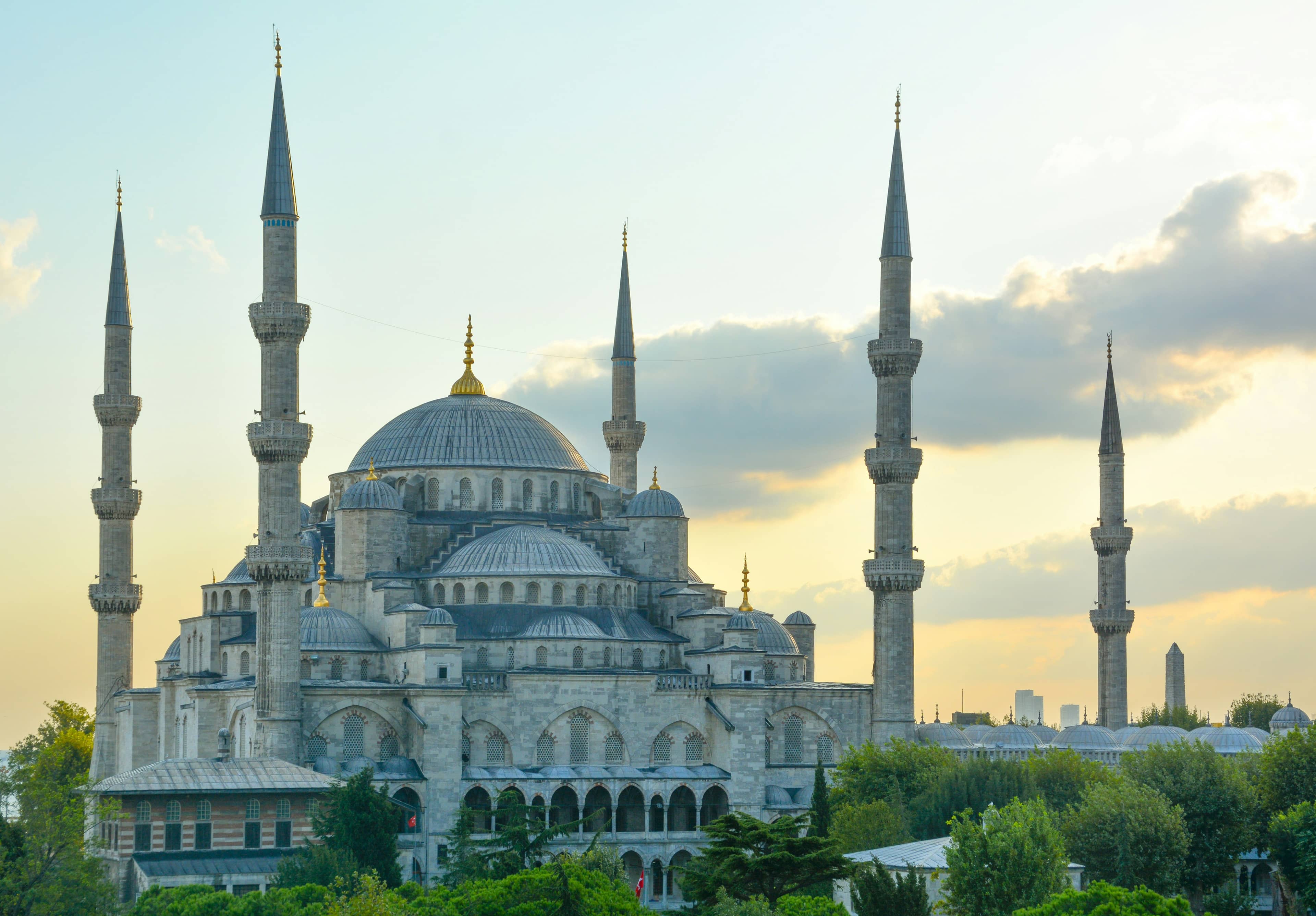
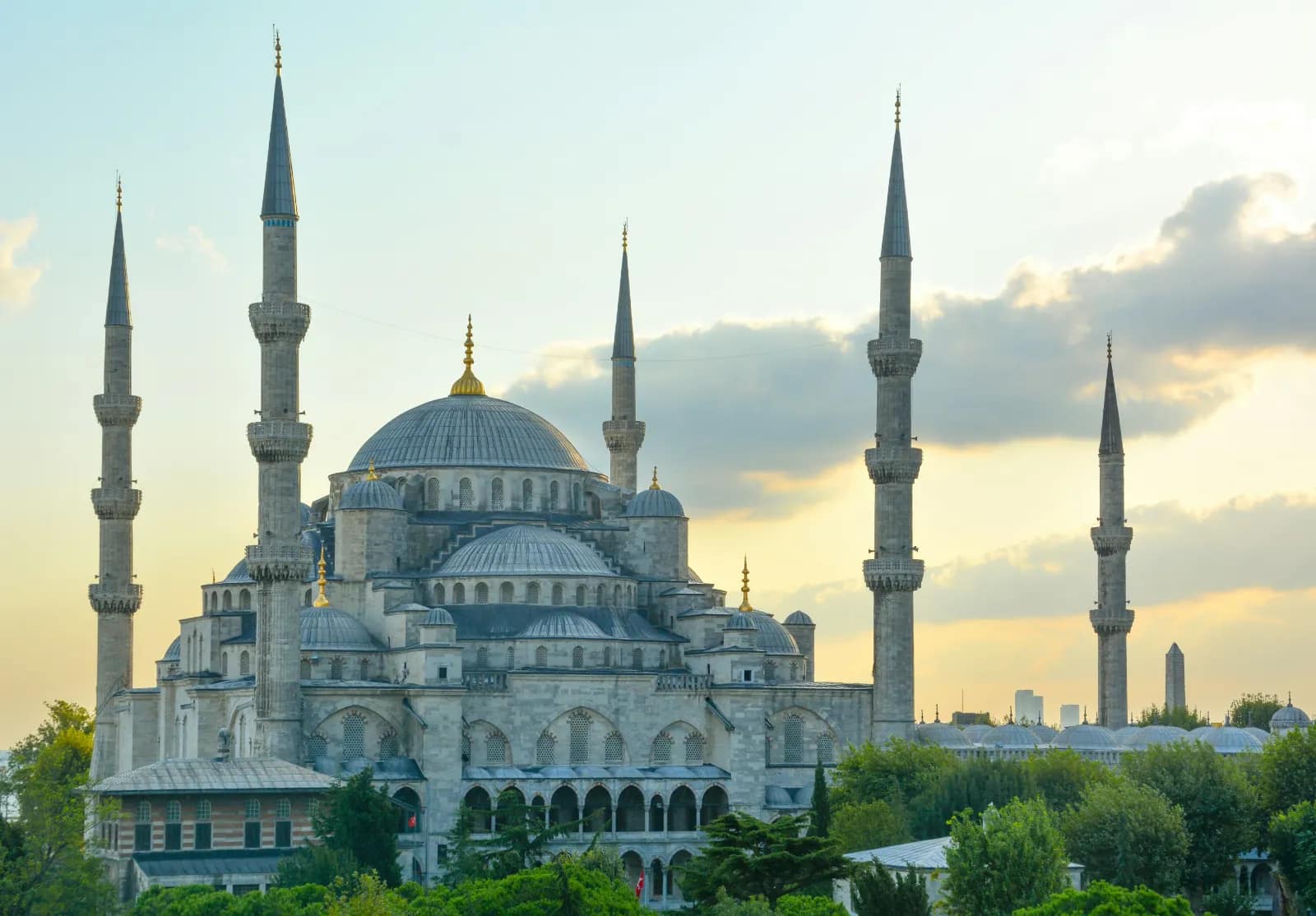
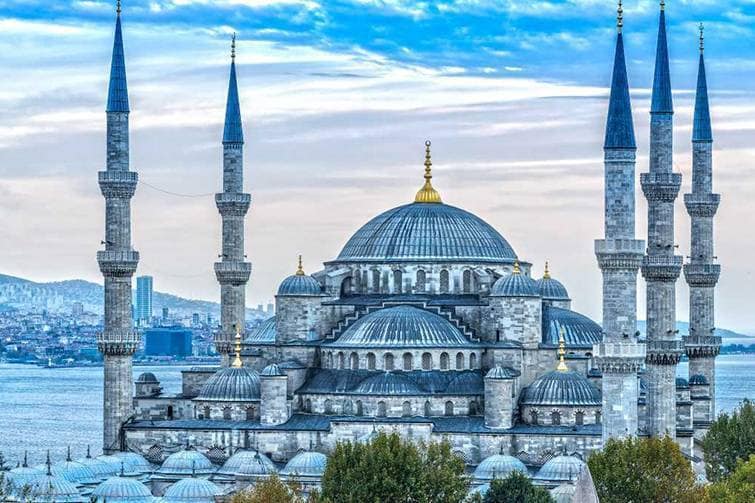
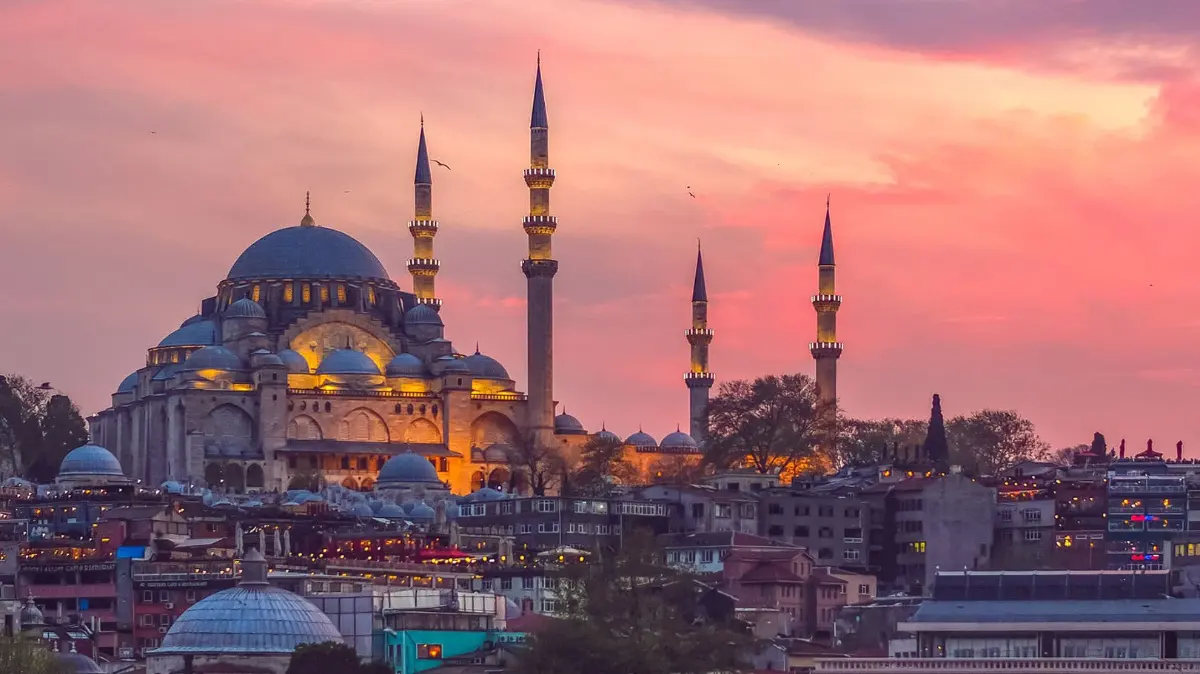
The mosque's exterior immediately captures attention with its impressive central dome, elegant semi-domes, and four towering minarets. The design reflects both Ottoman and Byzantine influences while maintaining a distinct identity that became a defining characteristic of Ottoman mosque architecture. The spacious courtyard, surrounded by graceful arches and marble columns, creates a serene introduction to the complex.
Inside, visitors are welcomed by a vast prayer hall illuminated by natural light filtering through hundreds of windows. The interior feels spacious yet balanced, emphasizing simplicity, symmetry, and spiritual tranquility. Decorative calligraphy, stained glass details, marble elements, and intricate craftsmanship showcase the artistic excellence of the Ottoman period without overwhelming the peaceful atmosphere.
One of the most remarkable aspects of Süleymaniye Mosque is its sense of calm despite being located in one of Istanbul's busiest historical districts. Visitors often find the mosque less crowded than some of the city's more famous attractions, allowing for a more reflective and enjoyable experience. The quiet surroundings make it an ideal place to appreciate both the architecture and the spiritual significance of the site.
The mosque forms part of the larger Süleymaniye Complex, which historically included schools, libraries, hospitals, kitchens, baths, and charitable institutions. This complex illustrates how Ottoman mosques functioned not only as religious centers but also as important hubs for education, healthcare, and social welfare. Exploring the surrounding grounds offers insight into daily life during the Ottoman era.
The gardens behind the mosque are among the hidden gems of Istanbul. Visitors can enjoy panoramic views over the Golden Horn and the city's historic neighborhoods. These viewpoints provide excellent opportunities for photography, particularly during sunrise and sunset when the city's rooftops and waterways are bathed in warm light. Many photographers consider the area around Süleymaniye Mosque one of the best locations for capturing Istanbul's historic skyline.
The mosque is also home to the mausoleums of Sultan Suleiman the Magnificent and his wife Hürrem Sultan, known in Europe as Roxelana. These beautifully decorated tombs attract visitors interested in Ottoman history and the lives of one of the empire's most influential royal couples. The mausoleums add historical depth to the visit and help connect the architecture to the people who shaped the empire.
Photography enthusiasts will find countless subjects throughout the mosque complex. The sweeping domes, elegant arches, detailed calligraphy, and city views provide diverse compositions. The mosque's position above the city creates unique perspectives that differ from many other historical sites in Istanbul.
Accessibility within the mosque complex is generally good, although some areas contain uneven historical surfaces and steps. Comfortable walking shoes are recommended, especially for those planning to explore the surrounding neighborhoods and viewpoints. Visitors should dress modestly, as the mosque remains an active place of worship.
The best time to visit is during spring and autumn when Istanbul enjoys mild weather and comfortable sightseeing conditions. Early mornings often provide a peaceful atmosphere and fewer visitors, while late afternoons offer beautiful lighting for photography. Travelers should be aware that access may be limited during prayer times, and respectful behavior is expected throughout the visit.
A visit to Süleymaniye Mosque offers much more than an opportunity to see a historic building. It provides a journey into the heart of Ottoman culture, architecture, and spirituality. With its remarkable design, rich history, and unforgettable views over Istanbul, Süleymaniye Mosque remains one of the city's most rewarding destinations and an essential stop for travelers seeking to understand the legacy of the Ottoman Empire.
Highlights
What stands out
Getting there
How to Go
Take the tram to Beyazıt or Eminönü and walk uphill toward the Fatih district. The mosque is also accessible by taxi, public bus, or on foot from many attractions in Istanbul's historic center.
Before you go
Practical Info
Seasonality
Best Time to Visit
April to June and September to November
On the ground
Travel Tips
- Visit outside prayer times for a better sightseeing experience
- Wear comfortable shoes for walking on historic streets
- Bring a scarf if required for mosque entry
- Explore the gardens for some of the best city views
- Combine your visit with nearby historical attractions
- Maintain respectful behavior and keep noise levels low
- Arrive in the late afternoon for excellent photography light
FAQs
Common questions
The mosque was commissioned by Sultan Suleiman the Magnificent and designed by the renowned Ottoman architect Mimar Sinan.
Yes, entry to the mosque is free for visitors.
Yes, non-Muslim visitors are welcome outside prayer times while respecting dress and behavior guidelines.
Most visitors spend between one and two hours exploring the mosque and surrounding complex.
Modest clothing that covers shoulders and knees is recommended, and women may need a headscarf.
Yes, the mosque and its gardens offer some of the best photography locations in historic Istanbul.
Tourist access may be limited during prayer periods, so visiting between prayers is recommended.
It is one of the greatest achievements of Ottoman architecture and an enduring symbol of Istanbul's imperial history.