Overview
Why visit Wadi Wurayah
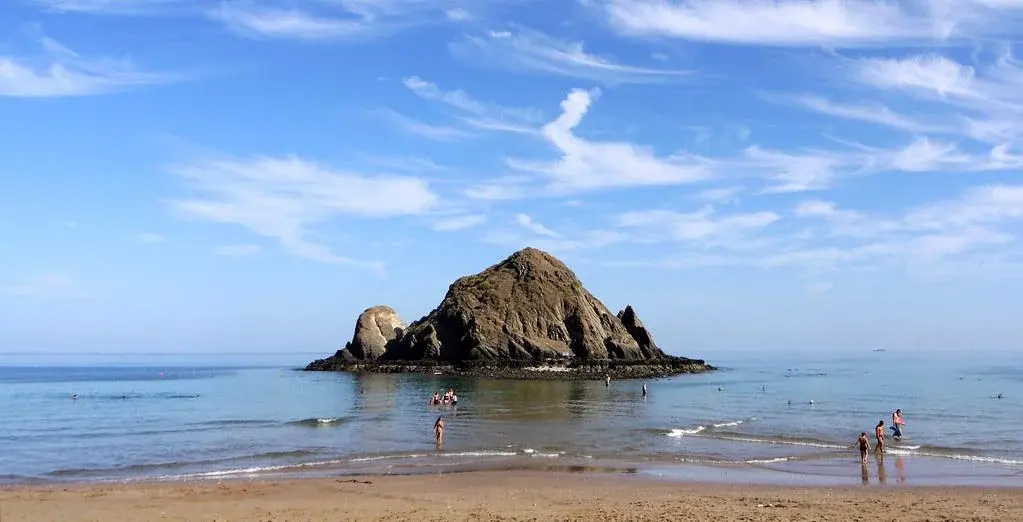
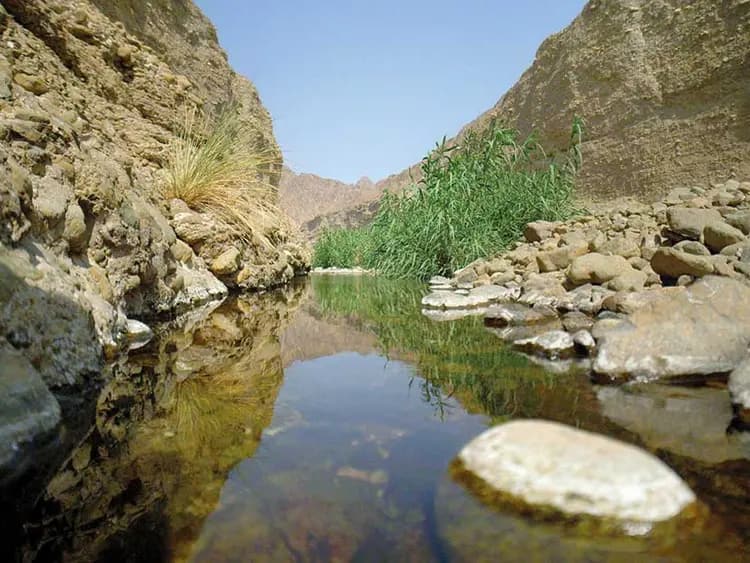
Wadi Wurayah is one of the most significant natural landscapes in Fujairah and one of the UAE’s most important protected mountain environments. Set within the Hajar Mountains, the wadi is known for its rugged valleys, freshwater springs, seasonal pools, waterfalls, wildlife, and dramatic rocky scenery. Unlike Fujairah’s beach destinations such as Al Aqah Beach and Snoopy Island, Wadi Wurayah represents the emirate’s inland wilderness. It shows a side of the UAE that many travelers do not expect: mountain ecosystems, freshwater habitats, archaeological traces, and protected natural spaces shaped by water, rock, and time.
The area is officially recognized as Wadi Wurayah National Park and is widely associated with conservation rather than ordinary sightseeing. UNESCO’s World Heritage tentative listing describes Wadi Wurayah National Park as the only terrestrial protected area in Fujairah, covering about 225 square kilometres and more than 20 percent of the emirate. It was formally protected in 2009 and declared a Ramsar wetland of international importance in 2010 because of its value for migratory birds and associated habitats. This makes Wadi Wurayah more than a scenic wadi. It is a rare ecological area in the UAE, important for wildlife, water systems, research, and long-term environmental protection.
The landscape is shaped by the Hajar Mountains, with steep rocky slopes, narrow valleys, dry channels, and freshwater features that appear depending on season and rainfall. Fujairah’s official tourism site describes Wadi Al Wurayah as part of the emirate’s lush wadi environment, with natural springs, fertile valleys, working farms, hiking, biking, and driving trails. This description highlights the appeal of the area, but travelers should understand that access is not always open like a regular public park. Wadi Wurayah has been closed or restricted at different times for rehabilitation, protection, safety, and conservation work. In recent years, conservation organizations have also described it as normally closed to the public, with access sometimes offered only through special programs or authorized activities.
Because of this, the most important planning advice for Wadi Wurayah is simple: do not assume you can drive in and explore independently. Visitors should check current access rules through official Fujairah tourism channels, Fujairah Adventures, conservation partners, or licensed tour operators before making plans. Some trips may require permits, approved guides, or organized access. This is especially important because the wadi is not just a viewpoint; it is a sensitive protected ecosystem. Unauthorized entry, off-road driving, littering, swimming in restricted areas, or disturbing wildlife can damage the environment and may also create safety risks.
For travelers who can visit through an approved route, Wadi Wurayah offers one of the most memorable nature experiences in the UAE. The attraction is not built around luxury facilities or easy entertainment. Its value comes from silence, scale, geology, water, and biodiversity. The contrast between dry mountain rock and freshwater pools is especially striking. The wadi’s springs and water channels support plants and animals that are rare in the surrounding arid landscape. Researchers and conservation groups have associated the area with important species and habitats, including mountain wildlife, birds, reptiles, amphibians, and native plants. Visitors should keep expectations realistic, as wildlife sightings are never guaranteed and many animals are shy or active at cooler times.
Photography in Wadi Wurayah can be excellent, especially for travelers interested in landscapes rather than city skylines. The best images often come from the relationship between rock formations, narrow valleys, water features, and the strong desert-mountain light. Early morning and late afternoon generally provide softer conditions, while midday can be harsh and hot. During or after rainfall, wadis can become dangerous because flash floods may move quickly through narrow channels. For this reason, visitors should never enter a wadi when rain is forecast in the mountains or nearby catchment areas, even if the sky appears clear at the starting point.
Wadi Wurayah is best suited to responsible travelers, nature lovers, photographers, conservation-minded visitors, and those joining guided outdoor experiences. It is not ideal for travelers looking for an easy family picnic spot, a casual swimming area, or an unrestricted off-road adventure. Families may still enjoy approved educational visits or guided nature programs if available, but they should avoid treating the wadi like a normal public recreation site. The terrain can include rough tracks, rocks, slopes, heat exposure, and limited facilities. Proper footwear, water, sun protection, and guidance are essential.
The best season to visit, where access is allowed, is from November to March, when the weather is cooler and outdoor activity is more comfortable. April and October can work for short guided visits, but summer temperatures make hiking and outdoor exploration much harder. Even in cooler months, conditions in mountain areas can change quickly, and visitors should follow safety instructions from guides or local authorities. Fujairah has also strengthened its approach to adventure tourism safety, and mountain trail activities may require certified guides or approved operators depending on the activity and season.
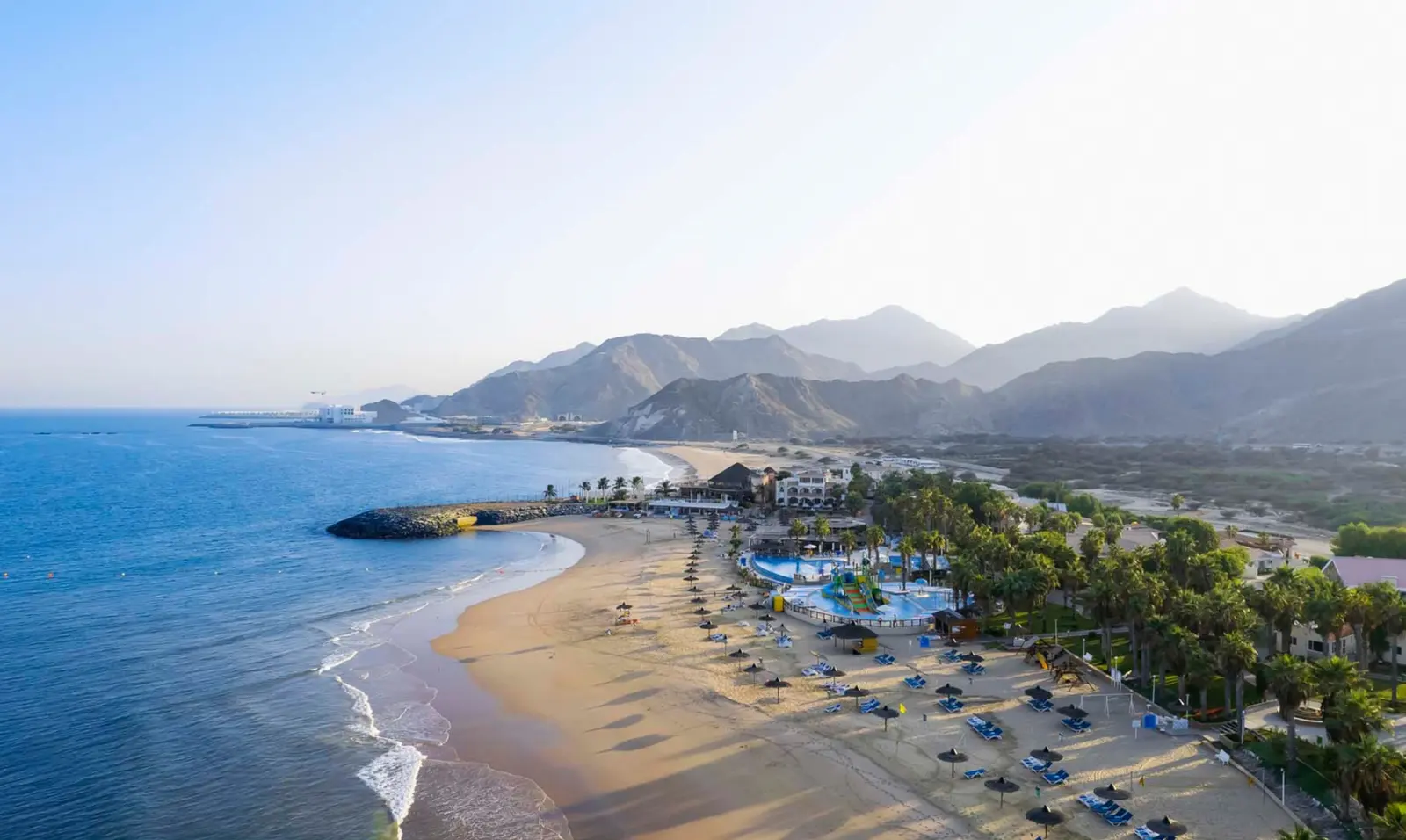
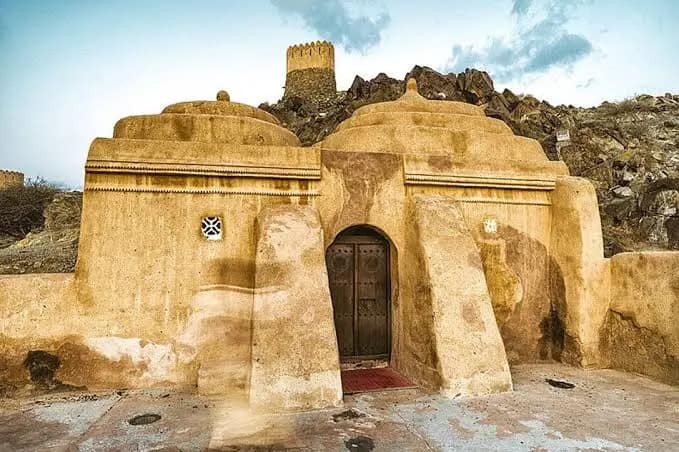
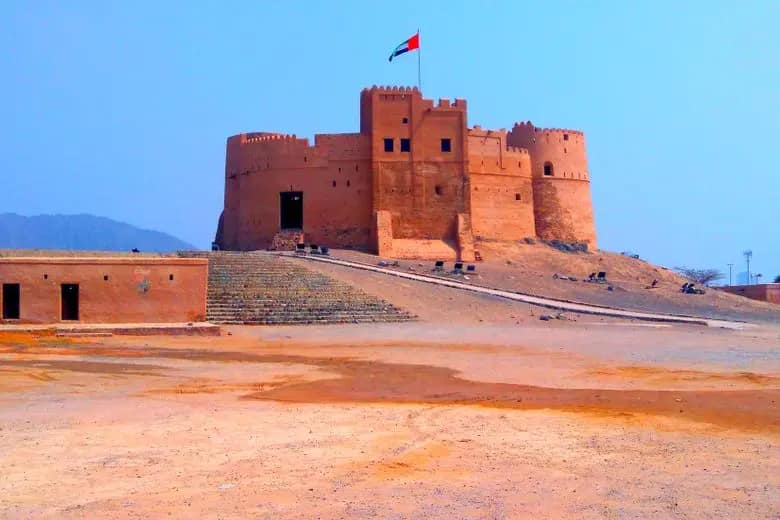
Wadi Wurayah works well as part of a nature-focused Fujairah itinerary, but only if access is confirmed in advance. It can be paired with Al Bidya Mosque, Al Aqah Beach, Snoopy Island, Fujairah Fort, or mountain viewpoints for a trip that balances heritage, coast, and nature. Travelers staying in Al Aqah or Fujairah city may find it easier to arrange a guided experience locally. Those coming from Dubai or Sharjah should avoid driving directly to the wadi without confirmation, because closed access or permit requirements could turn the journey into a wasted trip.
What makes Wadi Wurayah special is its protected status and ecological importance. Many UAE attractions are designed for easy tourism, but Wadi Wurayah is different. It reminds visitors that some of the country’s most valuable places need careful management, patience, and respect. For Top7Spots travelers, it should be presented as a high-value natural landmark rather than a guaranteed open attraction. When visited responsibly through the right channels, Wadi Wurayah offers a rare chance to experience Fujairah’s mountain wilderness, freshwater habitats, and conservation story in one of the UAE’s most remarkable natural areas.
Highlights
What stands out
Getting there
How to Go
Wadi Wurayah is located in the Hajar Mountains of Fujairah, inland from the east coast. The easiest and safest way to visit is through an approved tour, licensed operator, or official access program if available. Do not assume independent entry is allowed, as Wadi Wurayah is a protected national park and access can be restricted for conservation and safety reasons. Travelers should check with official Fujairah tourism channels, Fujairah Adventures, or local operators before planning the journey. A 4x4 may be required for some permitted routes, depending on conditions.
Before you go
Practical Info
Seasonality
Best Time to Visit
November to March
On the ground
Travel Tips
- Check current access rules before travelling, as the wadi is not always open to the public
- Use licensed guides or official programs instead of attempting unauthorized entry
- Avoid visiting if rain is forecast anywhere in the mountain catchment area
- Wear proper hiking shoes and bring plenty of water, sun protection, and snacks
- Do not swim, camp, drive, or hike in restricted areas
- Keep noise low and avoid disturbing wildlife or natural water sources
- Carry back all rubbish and leave the protected area exactly as you found it
FAQs
Common questions
Wadi Wurayah is located in the Hajar Mountains of Fujairah in the United Arab Emirates.
Public access to Wadi Wurayah can be restricted or permit-based, so visitors should check current official rules before planning a trip.
Wadi Wurayah is famous for its protected mountain landscape, freshwater springs, waterfalls, wildlife, biodiversity, and conservation importance.
A permit or approved guided access may be required depending on current regulations, so visitors should confirm before travelling.
Wadi Wurayah can offer mountain and wadi experiences where access is permitted, but hiking should only be done with approved guidance and safe conditions.
The best time to visit is from November to March, when temperatures are cooler for outdoor activities.
No, wadis can be dangerous during or after rain because flash floods can move quickly through mountain valleys.
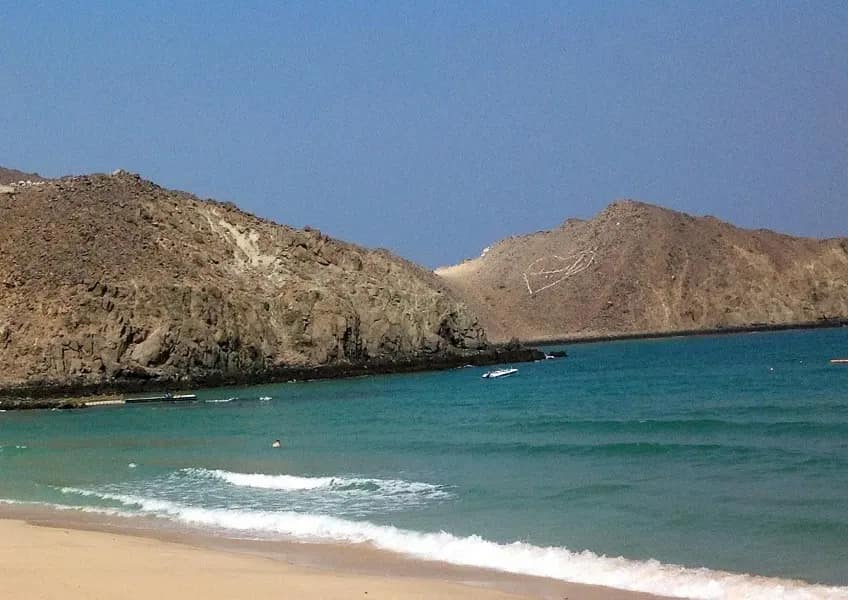
Nearby attractions include Al Aqah Beach, Snoopy Island, Al Bidya Mosque, Fujairah Fort, Khor Fakkan Beach, and east coast mountain viewpoints.