Overview
Why visit Sheikh Zayed Mosque Fujairah
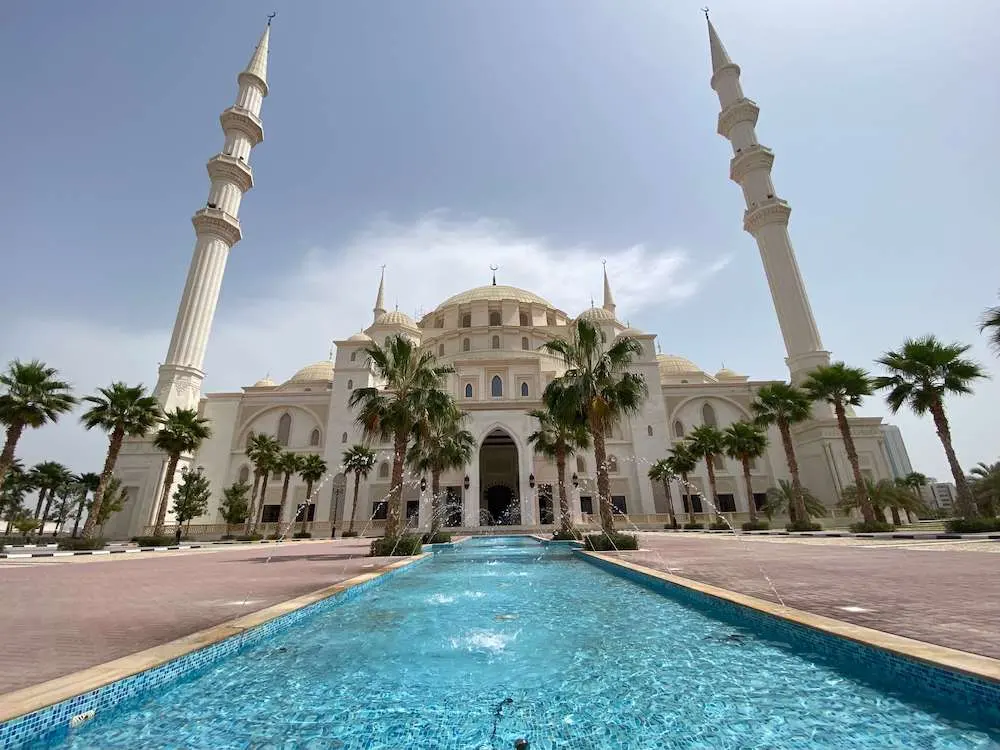
Sheikh Zayed Mosque Fujairah is one of the most important modern landmarks in Fujairah and one of the grandest mosques in the United Arab Emirates. Located in the heart of Fujairah city, the mosque stands out with its bright white architecture, large domes, elegant minarets, and spacious setting. It is one of the first buildings many visitors notice when driving through the city, and its scale gives Fujairah a strong visual and spiritual landmark. While Fujairah is often known for beaches, forts, mountains, and east coast scenery, this mosque adds another layer to the city’s identity by showing its modern Islamic architecture and religious importance.
The mosque is often compared with Sheikh Zayed Grand Mosque in Abu Dhabi because its design is inspired by that famous national landmark. Fujairah Tourism describes it as Fujairah’s newest and grandest religious attraction and notes that it is modelled after its Abu Dhabi namesake. It is also described as the second largest mosque in the UAE, with capacity for around 28,000 worshippers. These facts make it more than a local prayer space. It is a major religious and architectural site, serving both the local community and visitors who want to understand Fujairah’s cultural landscape.
The architecture is the main reason travelers include Sheikh Zayed Mosque Fujairah in a city itinerary. The mosque’s large white structure creates a calm and impressive appearance, especially when seen against the Hajar Mountain backdrop and the open city surroundings. Its domes and minarets give it a balanced and grand profile, while the wide courtyards and clean exterior lines make it highly photogenic. The building feels especially beautiful in soft morning or late afternoon light, when the white surfaces reflect warmer tones and the mosque stands clearly against the sky. For photography, the best views are often from respectful exterior angles that capture the scale of the mosque without disturbing worshippers.
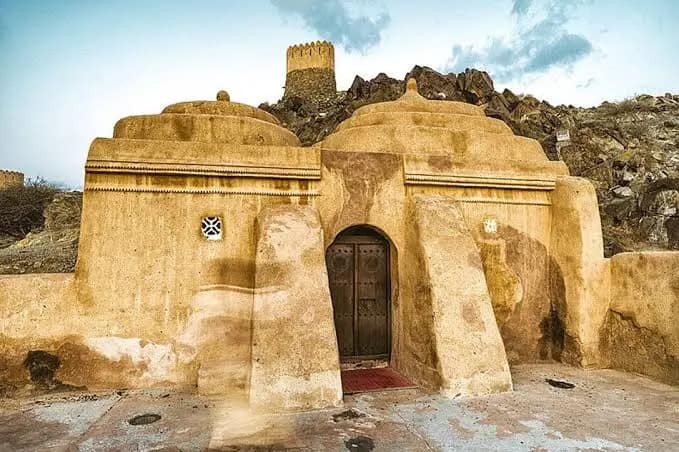
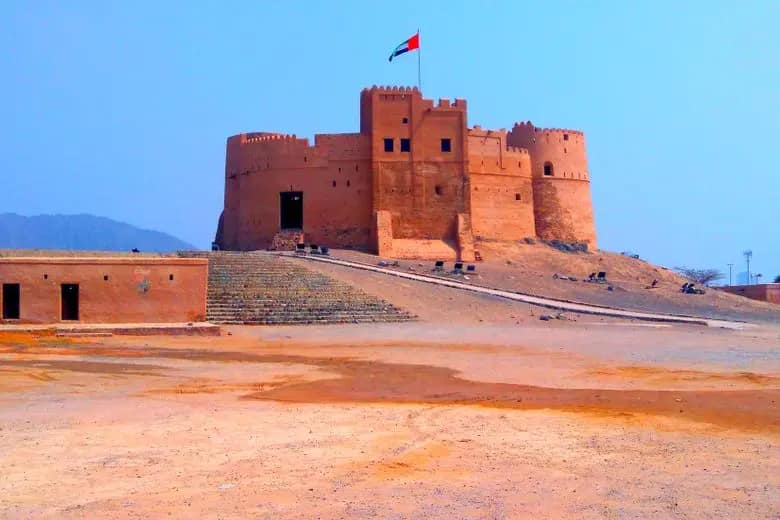
Unlike older heritage sites such as Fujairah Fort or Al Bidya Mosque, Sheikh Zayed Mosque Fujairah represents the emirate’s modern religious architecture. This contrast makes it especially interesting for travelers exploring both old and new Fujairah. A visit to Fujairah Fort shows the defensive and historic side of the city, Al Bidya Mosque reflects early Islamic heritage, and Sheikh Zayed Mosque shows the grandeur of contemporary mosque design in the UAE. Together, these places help visitors understand how Fujairah connects its past, present, and religious identity.
The visitor experience should be approached with respect because this is an active place of worship, not only a sightseeing attraction. Prayer times, religious events, Friday prayers, Ramadan schedules, and local access rules can affect when and how visitors may enter or view the mosque. Non-Muslim visitors may be able to appreciate the exterior and surrounding areas, but interior access can vary depending on current guidance. Travelers should dress modestly at all times around the mosque. Men and women should cover shoulders and knees, and women should carry a scarf in case head covering is required. Shoes should be removed before entering prayer areas if access is permitted.
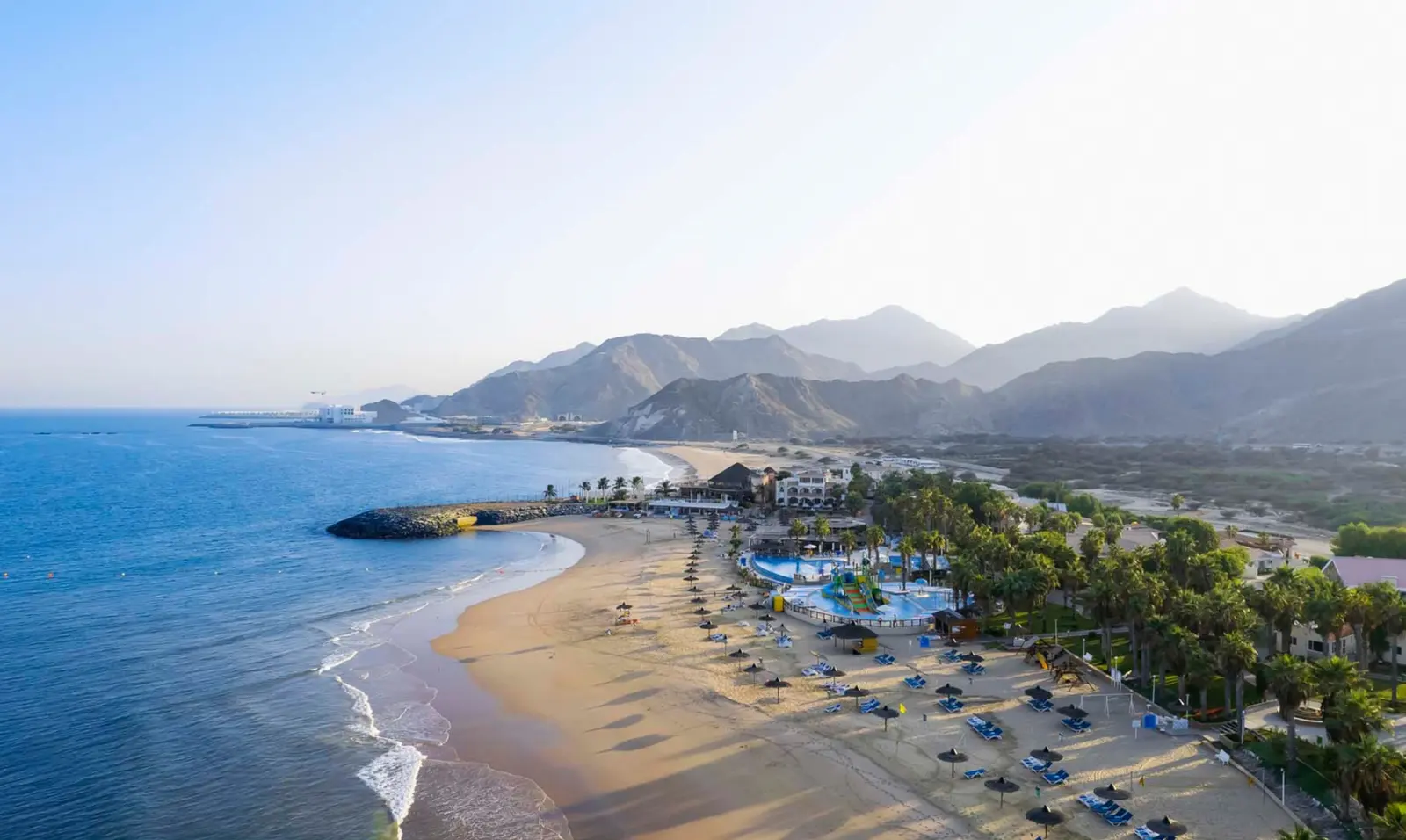
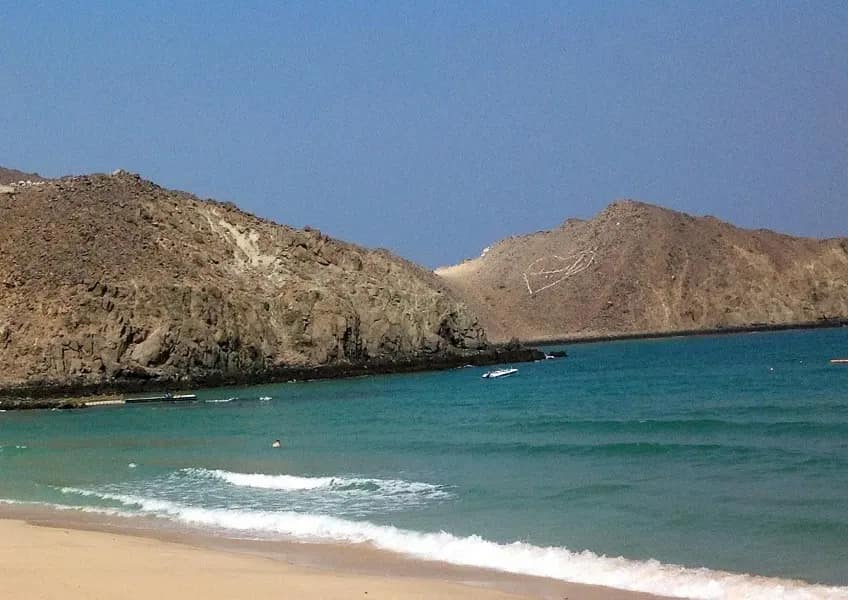
Sheikh Zayed Mosque Fujairah is especially suitable for travelers interested in architecture, religious landmarks, photography, and cultural sightseeing. It is also a good stop for families because the mosque is easy to reach within Fujairah city and does not require a long hike or remote drive. The site can be visited briefly from outside or included in a wider city route with Fujairah Fort, Fujairah Museum, Fujairah Corniche, and the old heritage area. Travelers staying in Al Aqah or visiting Snoopy Island can also stop here while passing through Fujairah city.
The best time to visit is during the cooler months from November to March, especially if you want to walk around the exterior and take photographs comfortably. During summer, early morning and late afternoon are better because the heat can be intense. The mosque’s white exterior can feel very bright under direct midday sun, so sunglasses and sun protection are useful. Visitors should also avoid planning a casual sightseeing stop during the busiest prayer periods, especially Friday midday prayers, unless they are attending for worship.
Accessibility is generally easier than many natural attractions in Fujairah because the mosque is located inside the city and can be reached by car or taxi. However, visitors should still check local access rules before making a special trip, especially if they want to enter rather than view the mosque from outside. Parking and drop-off conditions can vary depending on events and prayer times. For most travelers, a visit can be short but meaningful, taking around 30 minutes to 1 hour depending on whether interior access is available and how much time is spent on photography.
What makes Sheikh Zayed Mosque Fujairah special is its combination of scale, elegance, and local importance. It is not only a beautiful building, but also a living religious space that serves thousands of worshippers. Its presence gives Fujairah city a strong architectural anchor and offers visitors a chance to experience a quieter, less crowded mosque landmark compared with the more famous grand mosque in Abu Dhabi. For anyone planning a Fujairah itinerary, Sheikh Zayed Mosque is a worthwhile stop that pairs well with the city’s forts, museums, corniche, beaches, and mountain scenery.
Highlights
What stands out
Getting there
How to Go
Sheikh Zayed Mosque Fujairah is located in Fujairah city on Mohammed Bin Matar Road. The easiest way to reach it is by private car, taxi, or as part of a Fujairah city tour. From central Fujairah, it is a short drive depending on your starting point. Travelers coming from Dubai, Sharjah, or Ras Al Khaimah can include the mosque on an east coast itinerary with Fujairah Fort, Fujairah Museum, Al Bidya Mosque, Al Aqah Beach, and Snoopy Island. Public transport is limited for flexible sightseeing, so a car or arranged transfer is usually the most practical option.
Before you go
Practical Info
Seasonality
Best Time to Visit
November to March
On the ground
Travel Tips
- Visit early morning or late afternoon for softer light and more comfortable weather
- Dress modestly, covering shoulders and knees
- Avoid casual sightseeing during busy prayer times, especially Friday midday prayers
- Bring sunglasses because the white exterior can be bright in direct sun
- Combine the mosque with Fujairah Fort and Fujairah Museum for a cultural city route
- Ask locally before entering any prayer area, especially if you are not visiting for worship
- Keep your visit quiet and respectful because the mosque is a religious space
FAQs
Common questions
Sheikh Zayed Mosque Fujairah is located in Fujairah city on Mohammed Bin Matar Road in the United Arab Emirates.
No, it is a separate mosque in Fujairah, but its design is inspired by Sheikh Zayed Grand Mosque in Abu Dhabi.
It is famous for its large scale, white Islamic architecture, elegant domes and minarets, and its role as one of Fujairah’s most important religious landmarks.
Non-Muslim visitors may be able to view the mosque respectfully, but interior access can depend on prayer times and current local visitor rules.
Visitors should dress modestly, covering shoulders and knees, and women should carry a scarf in case head covering is required.
Most visitors need around 30 minutes to 1 hour, depending on photography and whether interior access is available.
The best time to visit is from November to March, or early morning and late afternoon during hotter months.
Nearby attractions include Fujairah Fort, Fujairah Museum, Fujairah Corniche, Al Bidya Mosque, and Al Aqah Beach.