Overview
Why visit Spice Souk
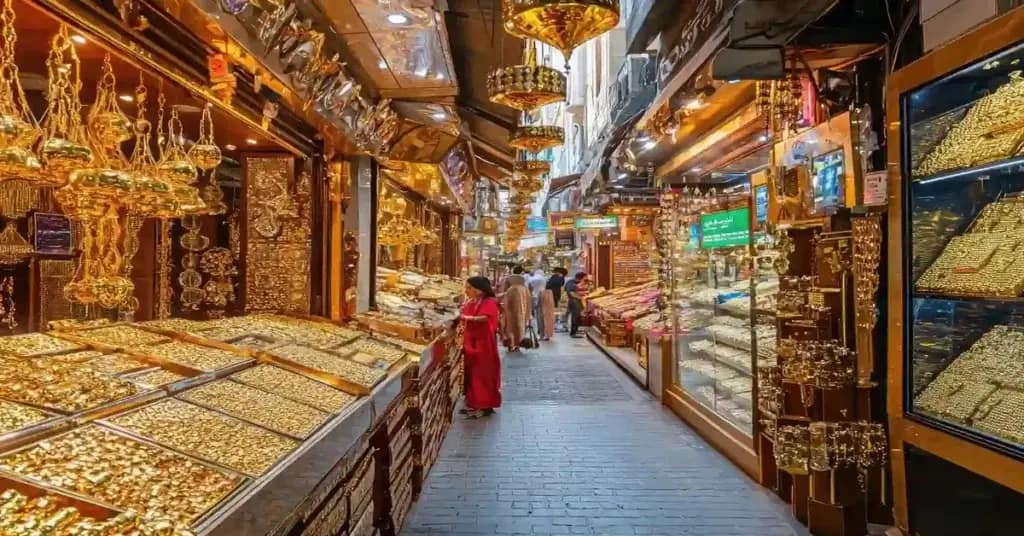
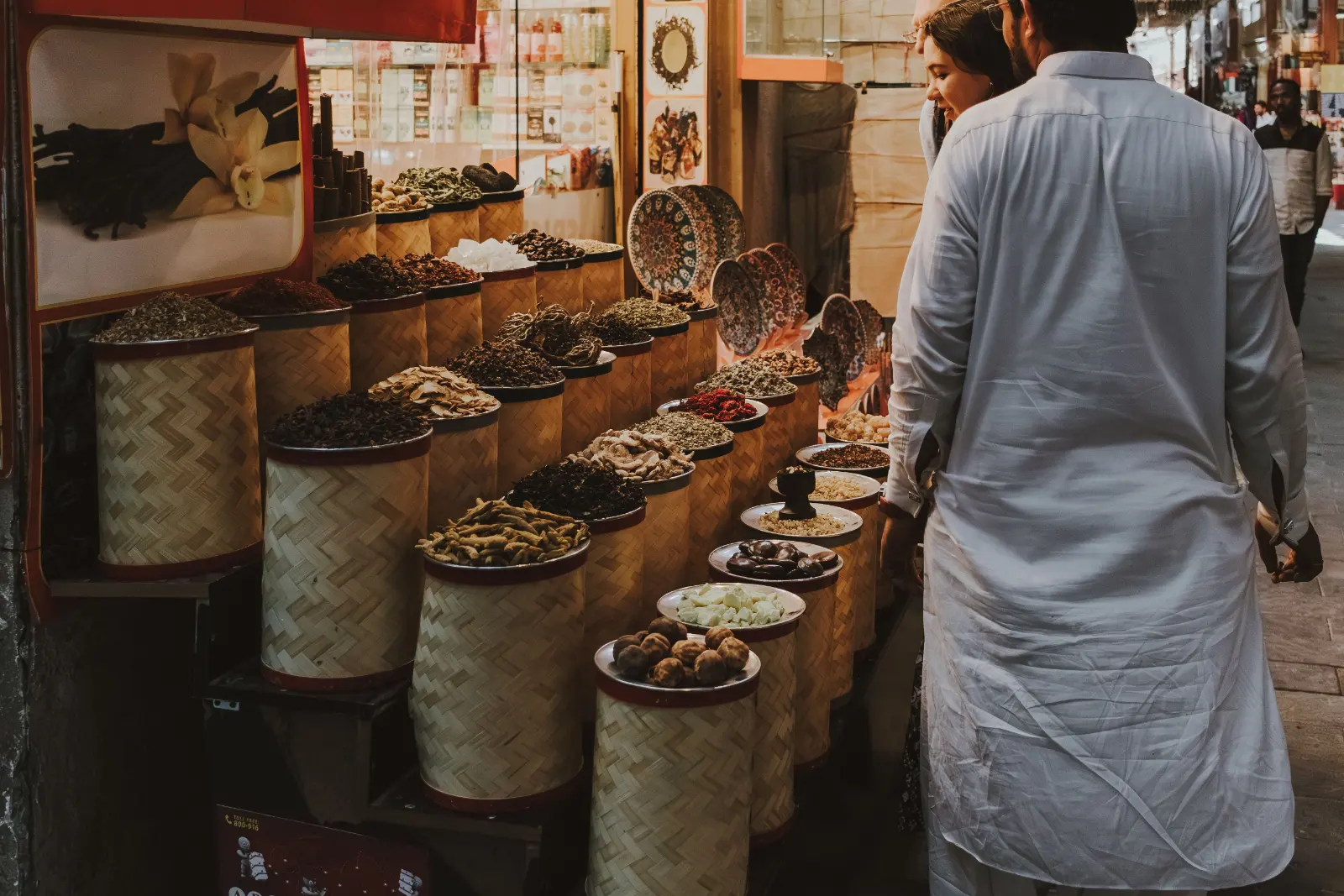
Spice Souk is one of the most sensory places to visit in Dubai, offering a strong contrast to the city’s modern malls, beach clubs, luxury hotels, and skyline attractions. Located in Deira near Dubai Creek, the souk is a traditional market where narrow lanes are lined with small shops selling spices, herbs, dried fruits, incense, teas, nuts, oils, perfumes, and souvenir items. The experience is colourful, aromatic, lively, and closely connected to Old Dubai’s trading identity. For travelers who want to understand the city beyond skyscrapers, Spice Souk is one of the most rewarding stops.
The market sits in the historic Al Ras area of Deira, close to Gold Souk, Perfume Souk, and the traditional abra stations along Dubai Creek. This location is important because Deira has long been one of Dubai’s busiest trading areas, where merchants, dhow operators, shopkeepers, and customers moved goods between the creek, the Gulf, South Asia, Iran, East Africa, and the wider region. The souk still reflects that commercial character. Instead of a polished mall environment, visitors find compact shopfronts, stacked sacks of spices, handwritten price signs, friendly sellers, and the everyday rhythm of an old market.
A walk through Spice Souk is immediately memorable because of the scents. Saffron, cardamom, cinnamon, cloves, turmeric, dried lemons, frankincense, oud, rose petals, chilli, cumin, za’atar, mixed teas, and herbal blends are commonly displayed in baskets, jars, sacks, and packets. Some shops also sell dates, nuts, dried fruits, natural soaps, incense burners, perfumes, and small gifts. Even visitors who do not plan to buy anything often enjoy walking through the lanes simply to see, smell, photograph, and experience the atmosphere.
Shopping at Spice Souk is different from shopping in a supermarket or mall. Prices may vary between shops, and bargaining is a normal part of the experience, especially for larger purchases or souvenir bundles. Travelers should compare prices, ask clearly for the quantity, check whether the price is per gram, per packet, or per item, and confirm the final amount before paying. For expensive spices such as saffron, it is worth asking about origin, grade, and weight. A polite approach works best. The souk is a place for conversation, comparison, and slow browsing, not rushed buying.
Spice Souk is especially appealing to food-focused travelers. Many ingredients sold here are connected to Emirati, Gulf, Indian, Persian, Arabic, and regional cooking traditions. Dried limes are used in Gulf stews and rice dishes, cardamom flavours Arabic coffee and desserts, saffron appears in rice, sweets, and drinks, while spice blends can be used for grilled meats, curries, soups, and marinades. Visitors who enjoy cooking may find the souk a useful place to buy small quantities of spices as travel-friendly souvenirs. Vacuum-packed or sealed packets are easier to carry than loose items, especially when flying.
The market is also a strong photography destination. The best images include colourful spice sacks, old shopfronts, narrow lanes, hanging lanterns, stacked baskets, incense displays, and nearby creek scenes. The area feels more textured and traditional than many newer Dubai attractions, which makes it valuable for visitors creating travel content or looking for authentic Old Dubai visuals. As with any market, it is respectful to ask before photographing shopkeepers closely, especially if they are not actively posing or inviting photos.
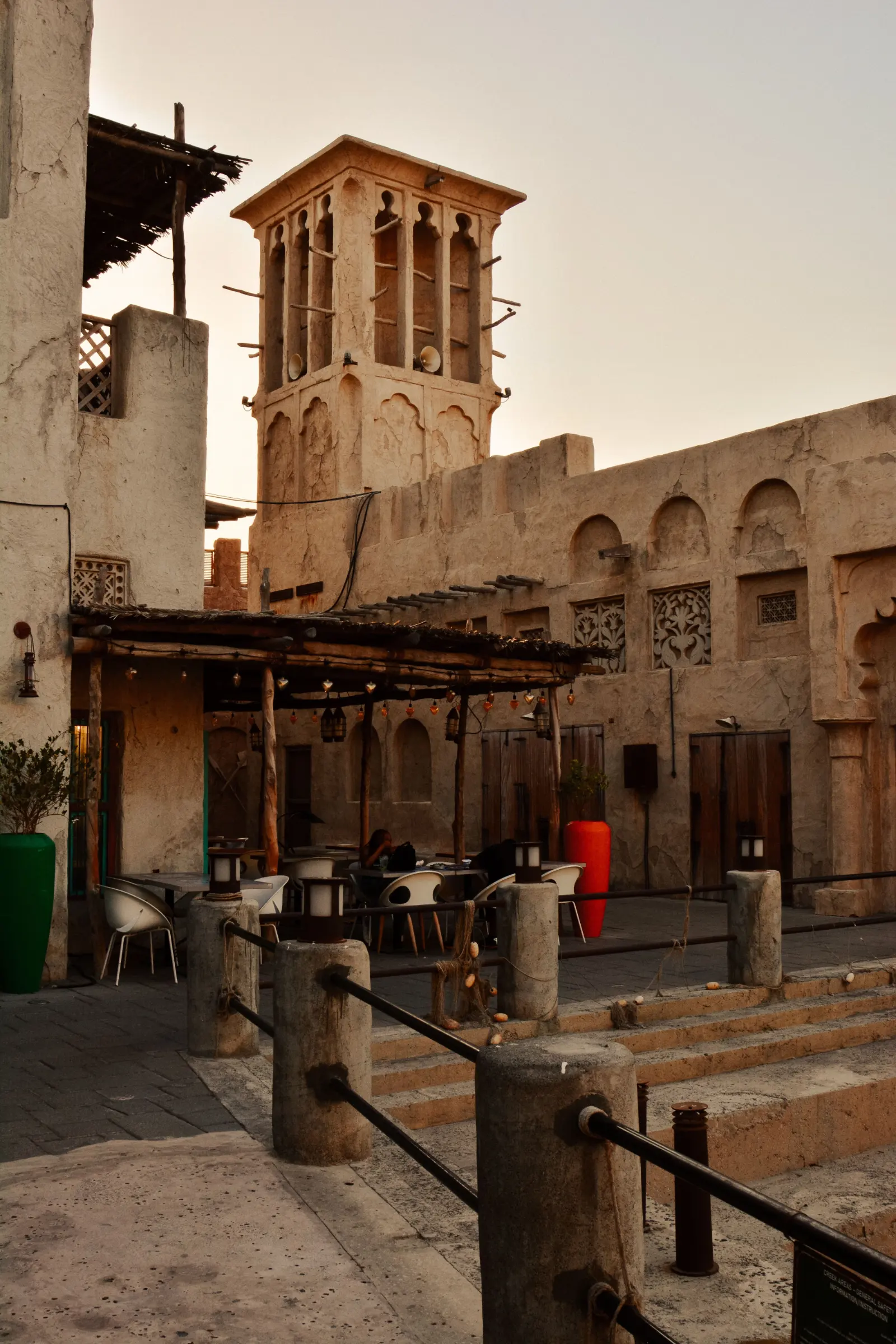
Spice Souk is best visited as part of a wider Old Dubai route. A classic itinerary begins in Al Fahidi Historical District or Al Seef on the Bur Dubai side of the creek, continues with a traditional abra ride across Dubai Creek, and then explores Deira’s souks. From the abra station, visitors can walk through Spice Souk, continue to Gold Souk, and visit Perfume Souk or nearby market lanes. This route gives a rich experience in a short distance, combining heritage architecture, creek transport, traditional trade, market colours, and local food stops.
The visitor experience is generally easy, but the area can feel busy and compact. Lanes are narrow, shopkeepers may invite visitors inside, and bargaining can feel unfamiliar to travelers who are used to fixed prices. There is no need to buy from the first shop. Walk around, compare, and stay comfortable with your choices. If you are not interested in buying, a polite “no thank you” is usually enough. Families can visit, but strollers may be inconvenient in crowded lanes. Travelers sensitive to strong smells should know that incense, perfumes, spices, and oud can be intense in some parts of the market.
The best time to visit Spice Souk is morning or early evening. Morning visits are usually easier for photography, lighter crowds, and combining the souk with Dubai Creek. Evening visits feel livelier, with more atmosphere and illuminated shopfronts. Many shops operate around standard souk hours, commonly from morning until evening, but individual opening times can vary. Some shops may close for breaks, prayers, Fridays, Ramadan timings, or holidays, so visitors with a very specific plan should check current information before going.
The best season is from November to March, when walking around Deira and Dubai Creek is more comfortable. April and October can also work well, especially earlier or later in the day. Summer visits are still possible, but outdoor heat and humidity can make walking between metro stations, abra points, and souk lanes tiring. During hotter months, use the metro, taxi, or abra strategically, carry water, and avoid long outdoor walks in the middle of the day.
Getting to Spice Souk is simple. Al Ras Metro Station on the Green Line is one of the closest stations, and Gold Souq Metro Station is also useful depending on your route. Visitors coming from Bur Dubai can cross Dubai Creek by traditional abra, which is one of the most enjoyable ways to arrive. Taxis, Careem, and Uber are convenient from most parts of the city, although traffic in Deira can be slow during busy hours. Once in the souk area, walking is the best way to explore.
A quick walk through Spice Souk can take 30 minutes, but one to two hours is better if you want to browse, compare shops, take photos, buy spices, and continue to nearby markets. If you combine it with Gold Souk, Perfume Souk, Dubai Creek, and Al Fahidi, plan at least half a day for a rewarding Old Dubai experience. Spice Souk is not about grand architecture or luxury. Its value comes from smell, colour, trade, conversation, and connection to Dubai’s older commercial life.
Highlights
What stands out
Getting there
How to Go
Spice Souk is located in Deira, near Dubai Creek, Gold Souk, Perfume Souk, and the traditional abra stations. The closest useful metro access is Al Ras Metro Station on the Green Line, with Gold Souq Metro Station also convenient for the wider market area. Visitors coming from Bur Dubai can take a traditional abra across Dubai Creek and walk to the souk. Taxis, Careem, and Uber are easy from most parts of Dubai, but traffic can be busy in Deira. Once there, explore the lanes on foot.
Before you go
Practical Info
Seasonality
Best Time to Visit
November to March
On the ground
Travel Tips
- Visit in the morning for easier walking and calmer photography.
- Compare several shops before buying saffron, spice mixes, incense, or souvenirs.
- Ask whether the price is per gram, per packet, or per item before agreeing.
- Choose sealed or well-packed spices if you plan to carry them in luggage.
- Carry small cash for small purchases, abra rides, snacks, and tips if needed.
- Use Al Ras Metro Station or an abra crossing to avoid traffic and parking issues.
- Be polite but firm if you do not want to buy from a shop.
- Combine Spice Souk with Gold Souk and Al Fahidi for a complete Old Dubai itinerary.
FAQs
Common questions
Spice Souk is located in Deira’s Al Ras area, close to Dubai Creek, Gold Souk, Perfume Souk, and traditional abra stations.
Yes, Spice Souk is worth visiting for its colourful displays, strong aromas, traditional market atmosphere, souvenir shopping, and easy connection to Old Dubai attractions.
You can buy saffron, cardamom, cinnamon, dried lemons, herbs, spice blends, teas, incense, oud, dates, nuts, dried fruits, perfumes, and souvenirs.
Yes, bargaining is common, especially for larger purchases, but you should confirm weight, quantity, quality, and final price before paying.
A quick visit can take 30 minutes, but one to two hours is better if you want to browse, compare shops, take photos, and explore nearby souks.
Take Dubai Metro Green Line to Al Ras Metro Station or Gold Souq Metro Station, then walk to the souk area.
Yes, families can visit Spice Souk, but the lanes can be narrow and crowded, so it may be easier with older children than with strollers.
Morning is best for quieter browsing, while early evening is best for a livelier market atmosphere and cooler walking conditions.