Overview
Why visit Old Dubai
Old Dubai is where travelers can experience the city’s heritage, trading history, creek-side life, and traditional neighbourhood atmosphere before exploring the futuristic skyline that Dubai is famous for today. Instead of glass towers, luxury malls, and large-scale attractions, Old Dubai offers narrow lanes, wind-tower architecture, wooden abras, spice stalls, gold shops, creek views, old merchant houses, museums, mosques, street food, and everyday market energy. It is one of the most rewarding areas in Dubai for visitors who want culture, photography, history, and a more grounded sense of place.
The heart of Old Dubai is Dubai Creek, the natural waterway that helped shape the city’s early growth as a trading port. For generations, the creek connected merchants, pearl traders, fishermen, dhow operators, and market communities. Even today, wooden boats, cargo activity, small ferries, and waterside views give the area a working character that feels very different from Downtown Dubai or Dubai Marina. A short abra ride across the creek is one of the simplest and most memorable experiences in the city, linking Bur Dubai and Deira while offering views of minarets, souk entrances, dhows, and heritage-style buildings.
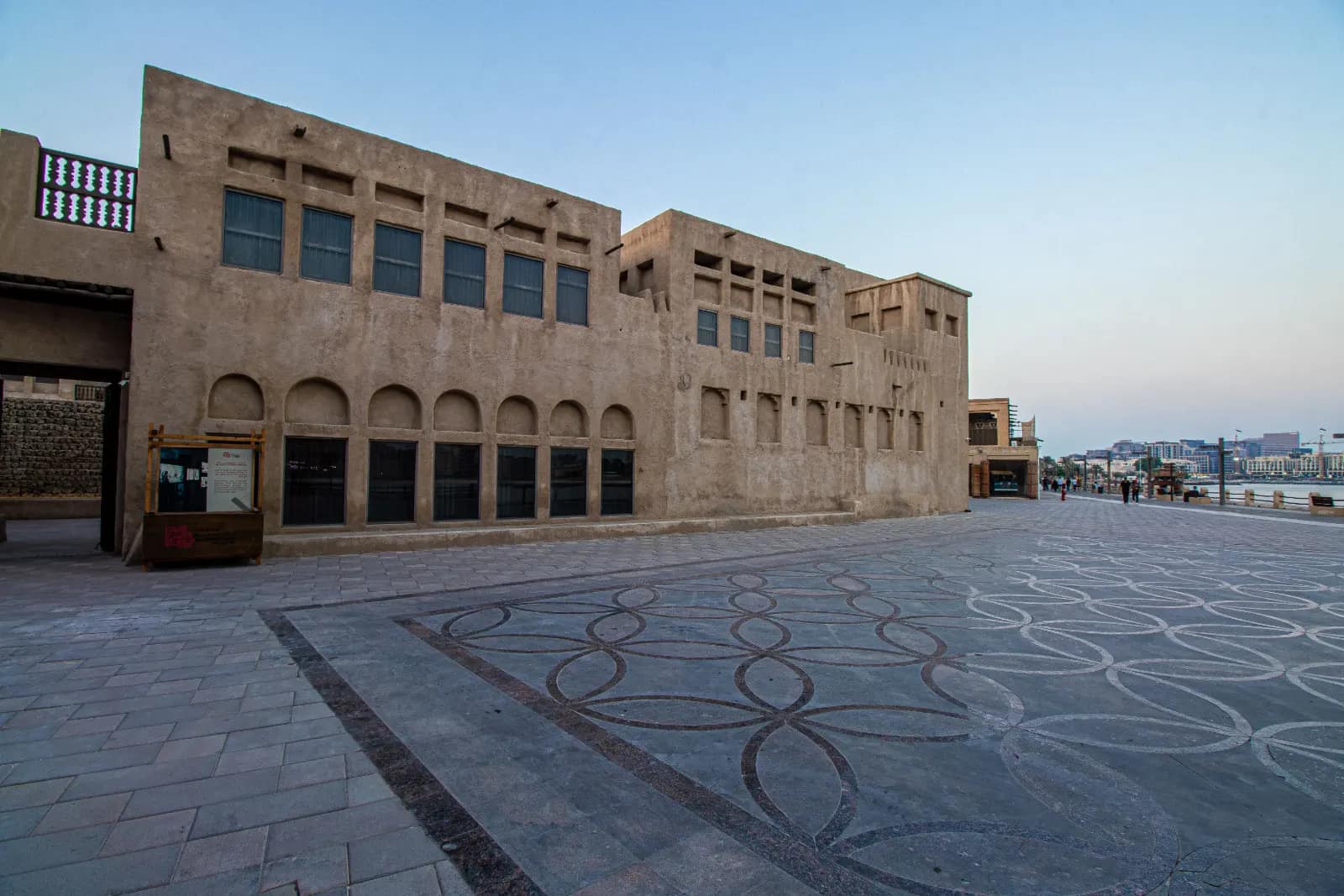
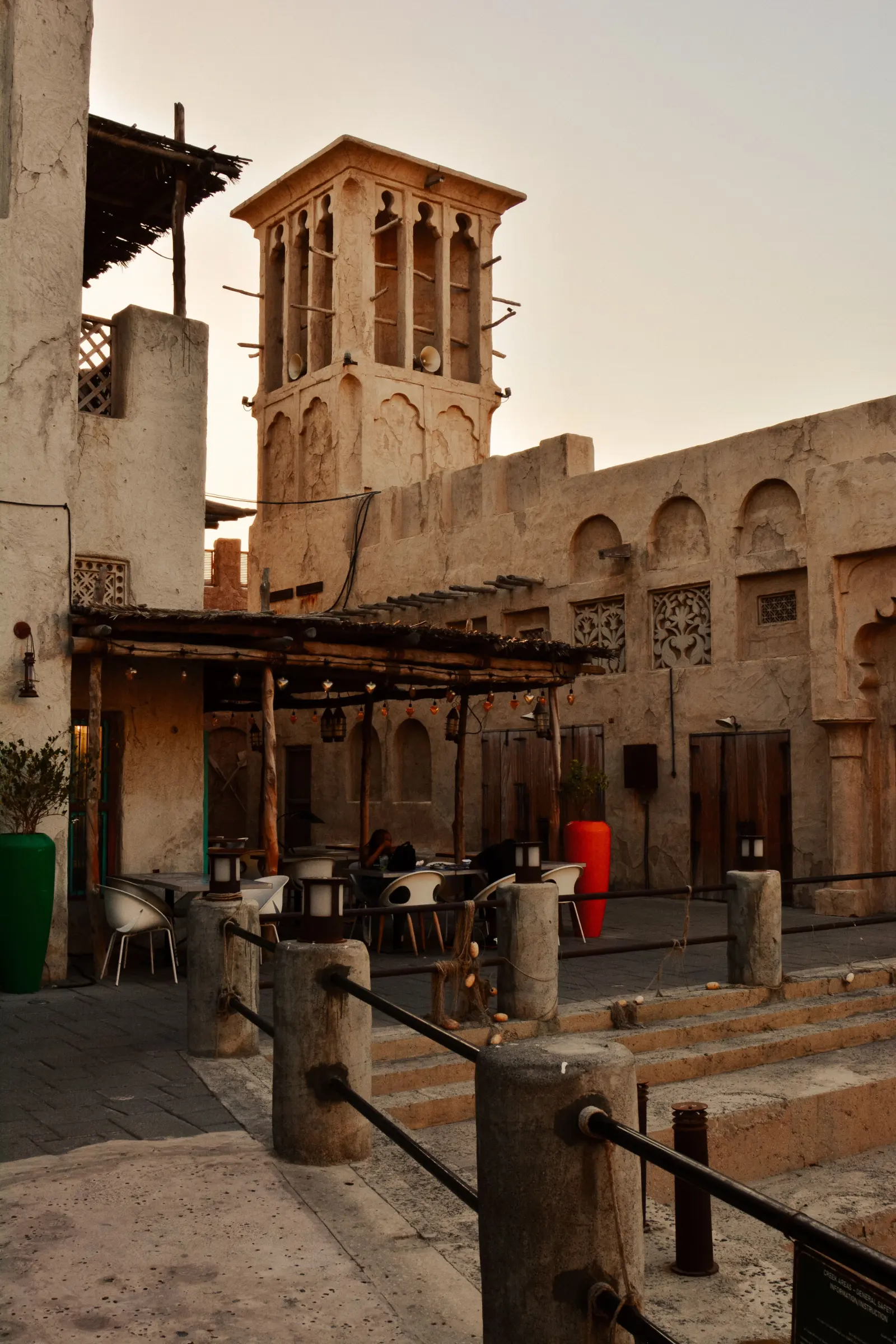
Al Fahidi Historical Neighbourhood is one of the best places to begin a visit. Located along Dubai Creek, the district preserves a traditional layout of sand-coloured buildings, courtyards, narrow sikkas, wind towers, galleries, cultural centres, cafés, and small museums. Dubai Culture describes Al Fahidi as a historic neighbourhood that allows visitors to experience the traditional lifestyle once common in Dubai, while Visit Dubai highlights it as a key heritage district showing life in the city during the mid-19th century. The area is calm in the morning and especially good for walking, photography, and understanding Dubai’s older architecture.
A visit to Old Dubai is also about moving between neighbourhoods. On the Bur Dubai side, travelers can explore Al Fahidi, Al Seef, textile shops, creek-side paths, heritage cafés, and nearby cultural attractions. Across the water in Deira, the atmosphere becomes busier and more commercial, with the Gold Souk, Spice Souk, Perfume Souk, small shops, trading lanes, and traditional market streets. This contrast is one of the area’s strengths. Bur Dubai often feels more heritage-focused and walkable, while Deira gives visitors the classic souk experience with bargaining, scents, colours, and crowds.
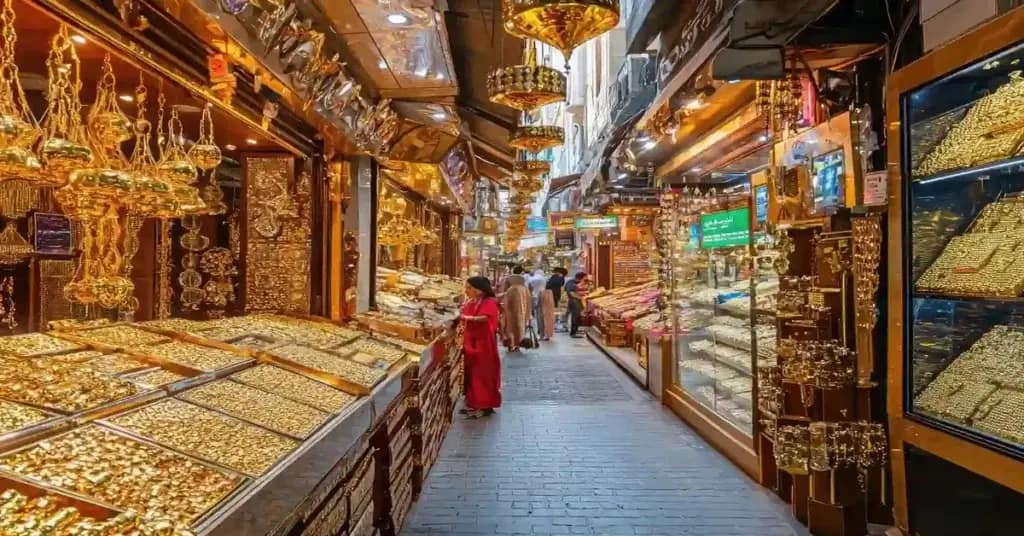
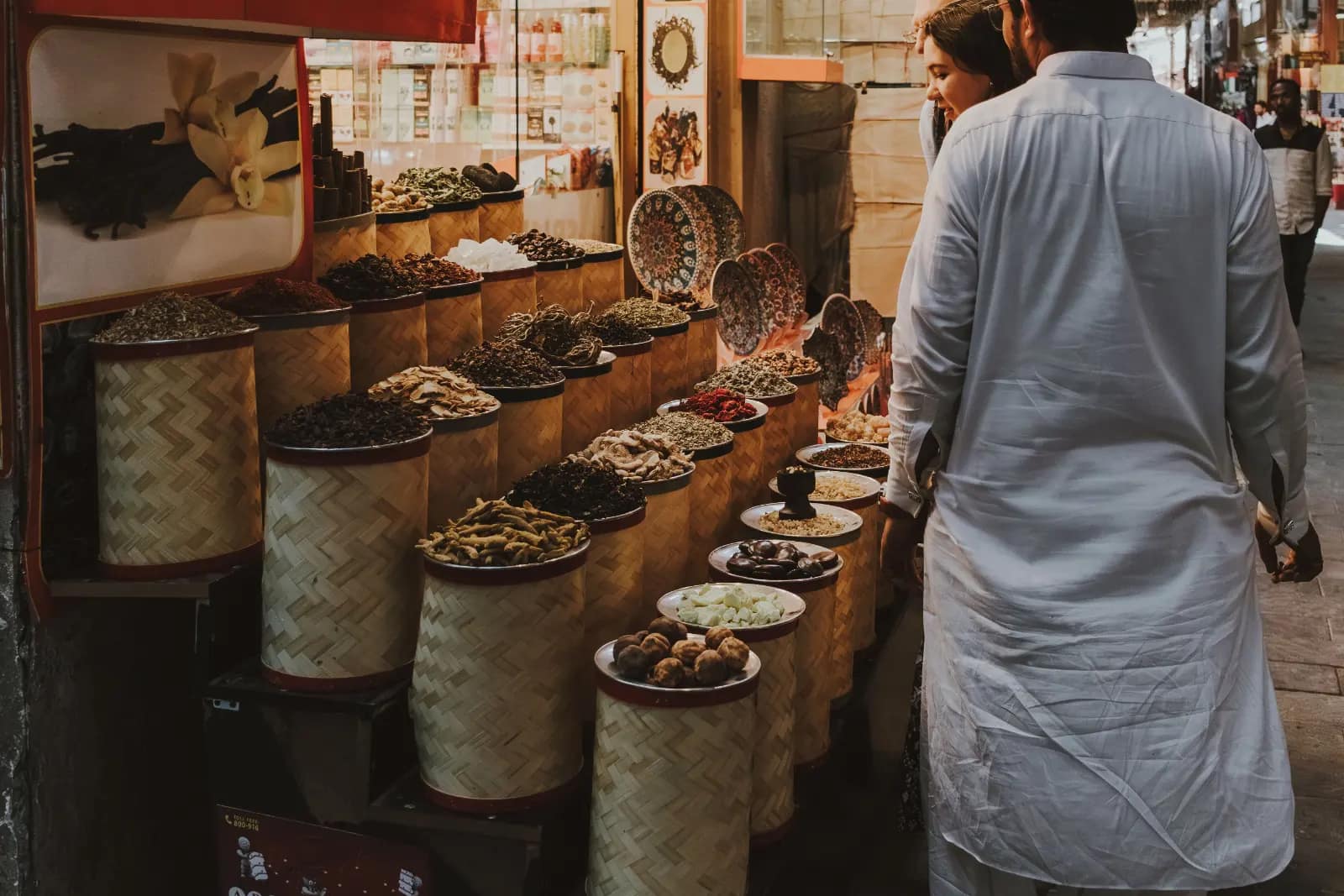
The Gold Souk is one of Old Dubai’s most famous stops. Its covered lanes and shopfronts are filled with gold jewellery, diamonds, gemstones, traditional designs, and elaborate display windows. Even visitors who do not plan to buy anything often enjoy walking through the souk because of the scale and brightness of the displays. Nearby, the Spice Souk offers a different sensory experience, with sacks of spices, dried flowers, herbs, incense, saffron, dates, and perfume ingredients. Bargaining is part of the market culture, but travelers should compare prices, ask clearly, and avoid feeling pressured into purchases.
Old Dubai is also a strong area for food. Travelers can find Emirati dishes, Iranian cafés, Indian restaurants, Pakistani grills, Arabic snacks, fresh juices, tea shops, dates, sweets, and budget-friendly meals. Compared with many newer districts, food in Old Dubai can feel more local, casual, and affordable. Al Seef has more polished waterfront dining, while side streets in Bur Dubai and Deira offer simple restaurants popular with residents and workers. This makes Old Dubai especially good for travelers who enjoy food walks, cultural tasting experiences, and informal dining rather than only high-end restaurants.
Photography opportunities are excellent throughout the area. In Al Fahidi, the best images include wind towers, textured walls, wooden doors, lanterns, courtyards, and shaded lanes. Around Dubai Creek, wooden abras, reflections, dhow boats, birds, minarets, and sunset light create atmospheric scenes. In Deira’s souks, colourful spices, gold displays, perfume bottles, textiles, signs, and street life add strong visual variety. The area works best for photographers who enjoy real street atmosphere, small details, and heritage textures rather than only skyline views.
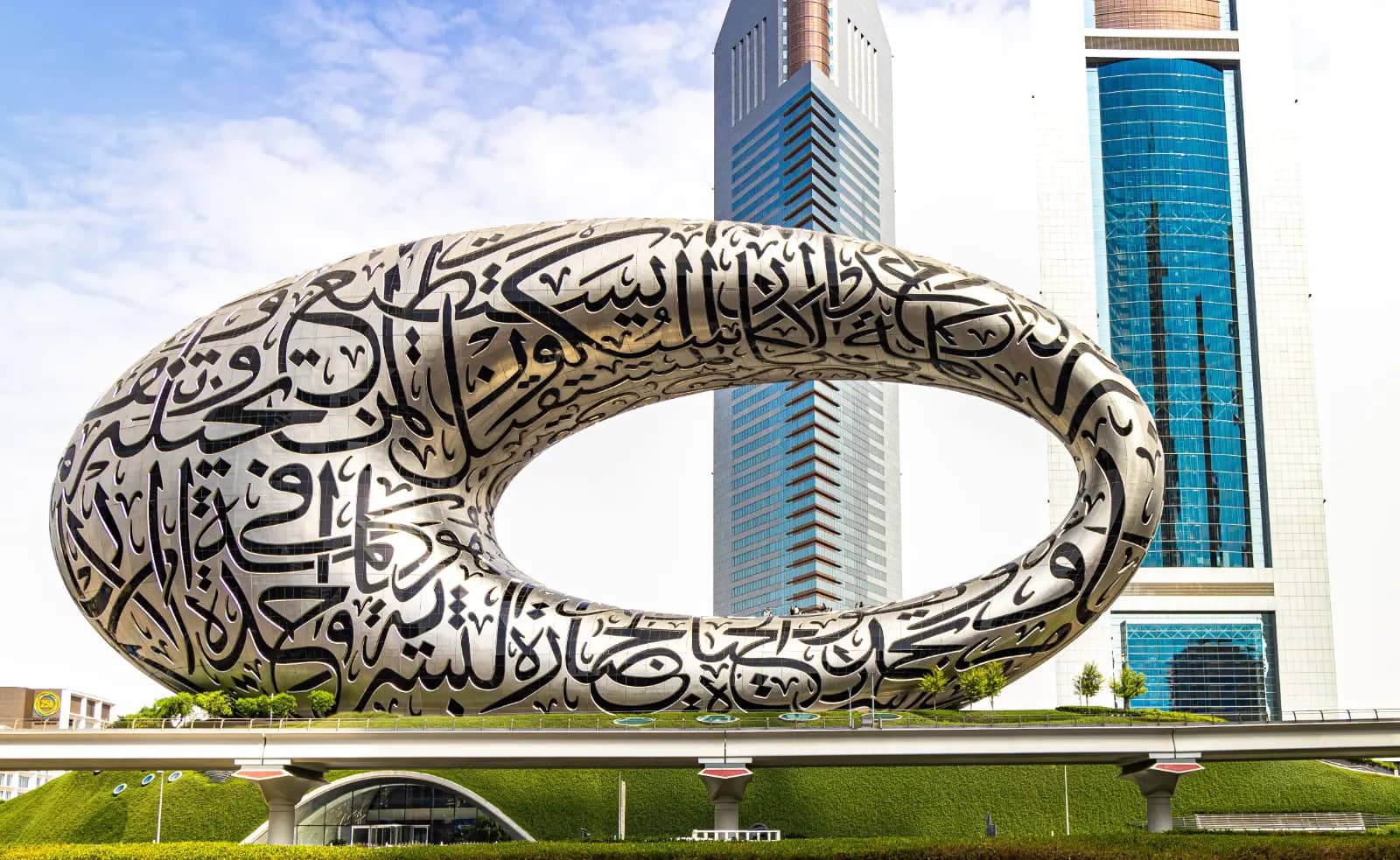
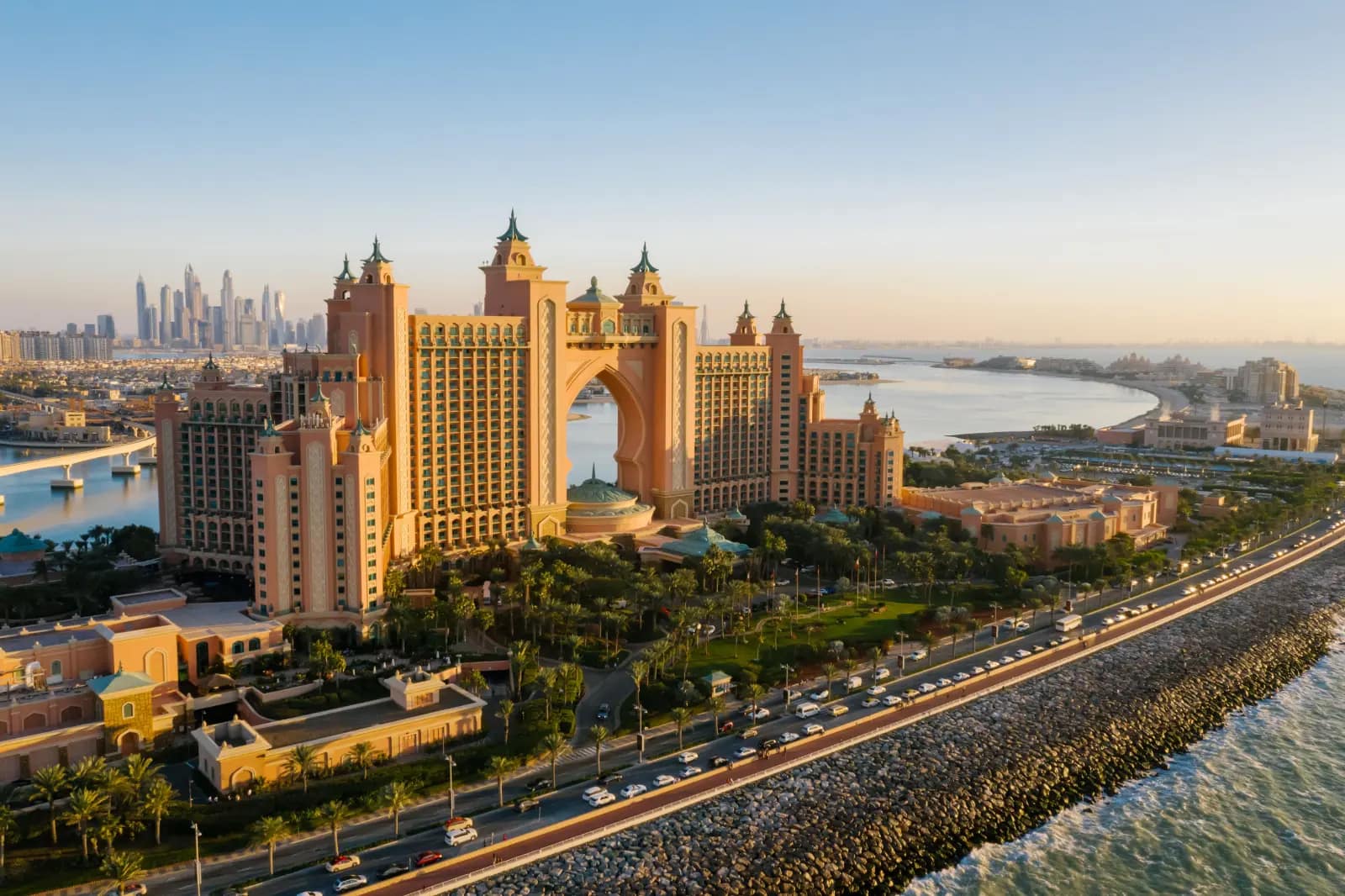
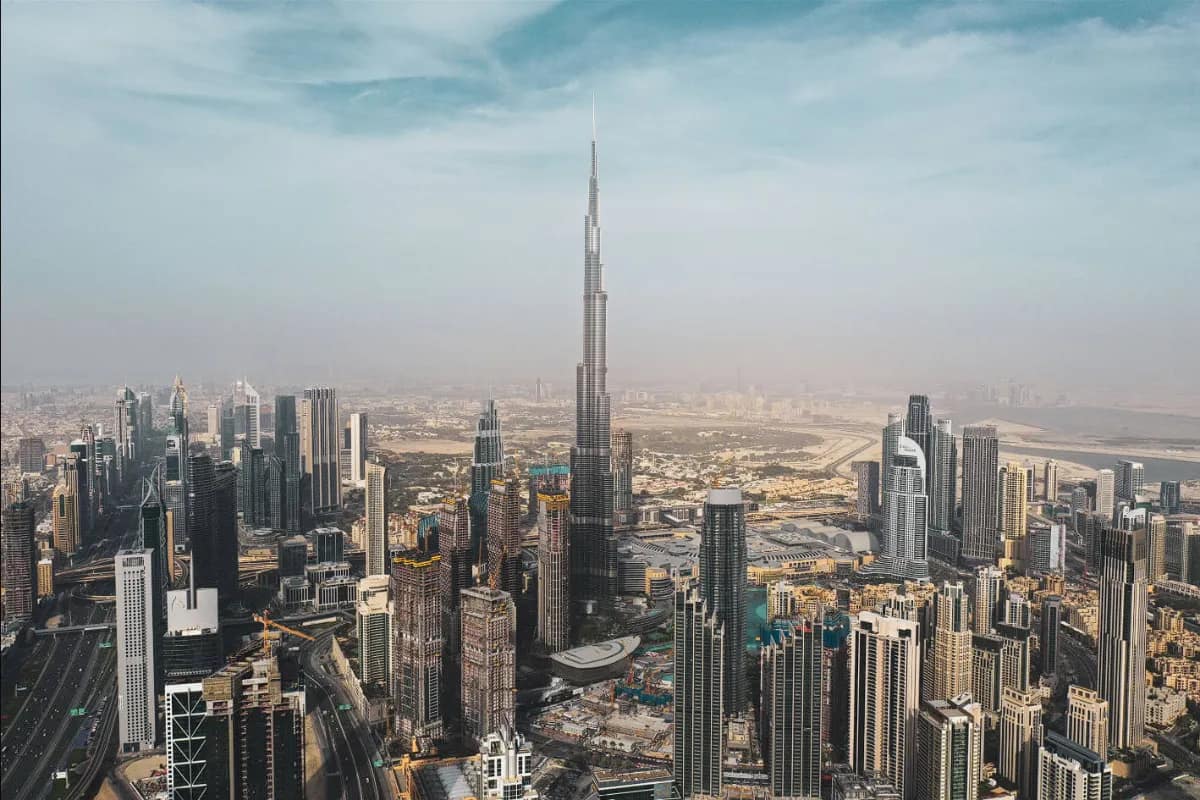
Old Dubai is suitable for many travelers, but it rewards slow exploration. Families can enjoy abra rides, museums, cafés, and short walking routes, although narrow souk lanes can be crowded with strollers. Couples can visit in the late afternoon for creek views and dinner. Solo travelers can explore comfortably during the day and early evening, especially in busy areas. Culture-focused visitors should allow several hours because the neighbourhoods are close together but full of small stops. It is also an excellent choice for travelers who have already seen Dubai Mall, Burj Khalifa, Palm Jumeirah, and other modern attractions.
Getting around Old Dubai is easiest on foot, by abra, metro, and short taxi rides. Dubai Metro is useful because stations such as Al Fahidi, BurJuman, Sharaf DG, Al Ras, and Gold Souq serve different parts of the wider area. The traditional abra crossing between Bur Dubai and Deira is affordable, scenic, and practical. Taxis and ride-hailing apps are useful in summer, with children, or when moving between distant points. However, walking is the best way to enjoy the neighbourhoods once you arrive, especially in Al Fahidi, Al Seef, and the souk areas.
The best season to visit Old Dubai is from November to March, when walking outdoors is comfortable and the creek-side atmosphere is most enjoyable. April and October can also be pleasant in the morning or late afternoon. Summer visits are possible, but heat and humidity can make outdoor walking difficult during the day. In hotter months, plan an early morning visit, take breaks in cafés, use metro and taxis between areas, and avoid long walks under direct sun. Evening can be lively, but some heritage sites and museums may have different timings, so check current schedules before planning a detailed visit.
A good Old Dubai visit can take half a day, especially if you want to see Al Fahidi, ride an abra, explore the souks, stop for food, and walk along the creek. A shorter two-hour visit can still work if you focus on Al Fahidi and an abra crossing. For the best experience, avoid rushing from one photo spot to another. Old Dubai is most enjoyable when you let the area unfold through small details: a shopkeeper arranging spices, an abra driver crossing the creek, the smell of oud and cardamom, the shadow of a wind tower, or the sound of market streets in Deira.
Old Dubai is important because it balances the city’s modern image. It reminds travelers that Dubai is not only a place of skyscrapers and luxury hotels, but also a city shaped by trade, migration, maritime routes, creek-side communities, and cultural exchange. For a first-time Dubai itinerary, Old Dubai adds depth and contrast. For repeat visitors, it often becomes one of the most memorable parts of the trip because it feels layered, human, walkable, and closely connected to the city’s story.
Highlights
What stands out
Getting there
How to Go
Old Dubai is spread across both sides of Dubai Creek, mainly around Bur Dubai, Al Fahidi, Al Seef, and Deira. Dubai Metro is one of the easiest ways to reach the area, with stations such as Al Fahidi, BurJuman, Sharaf DG, Al Ras, and Gold Souq serving different sections. Taxis, Careem, Uber, and hotel transfers are convenient from most parts of Dubai. Once there, walking and abra crossings are the best ways to experience the district. The traditional abra ride across Dubai Creek is especially useful for moving between Bur Dubai and Deira.
Before you go
Practical Info
Seasonality
Best Time to Visit
November to March
On the ground
Travel Tips
- Start in Al Fahidi, then cross Dubai Creek by abra to explore Deira’s souks.
- Visit in the morning for quieter streets or late afternoon for better light and creek atmosphere.
- Carry small cash for abra rides, snacks, and small market purchases.
- Compare prices before buying gold, spices, perfumes, textiles, or souvenirs.
- Dress modestly and comfortably, especially when visiting cultural areas and traditional markets.
- Use metro or taxis during summer to avoid long walks in the heat.
- Keep your phone or camera ready for creek views, old doors, souk colours, and abra crossings.
- Allow enough time to wander because Old Dubai is best enjoyed slowly.
FAQs
Common questions
Old Dubai is mainly located around Dubai Creek, including Bur Dubai, Al Fahidi, Al Seef, and Deira.
Yes, Old Dubai is worth visiting for heritage architecture, souks, abra rides, Dubai Creek views, local food, museums, and a deeper understanding of the city’s history.
The best things to do include visiting Al Fahidi Historical Neighbourhood, riding an abra across Dubai Creek, exploring the Gold Souk and Spice Souk, and walking through Al Seef.
Most visitors need three to six hours to explore Al Fahidi, cross the creek, visit the souks, take photos, and stop for food or coffee.
Use Dubai Metro stations such as Al Fahidi, BurJuman, Sharaf DG, Al Ras, or Gold Souq, depending on which part of Old Dubai you want to visit.
Yes, Old Dubai can be enjoyable for families, especially for abra rides, creek walks, cultural sites, and food stops, but souk lanes can be crowded at busy times.
November to March is the best season, while morning and late afternoon are the best times of day for walking, photography, and cooler weather.
A guide is not required, but a guided walking tour can help explain the history, souks, architecture, and creek-side culture in more detail.