Overview
Why visit Sharjah Heritage Area
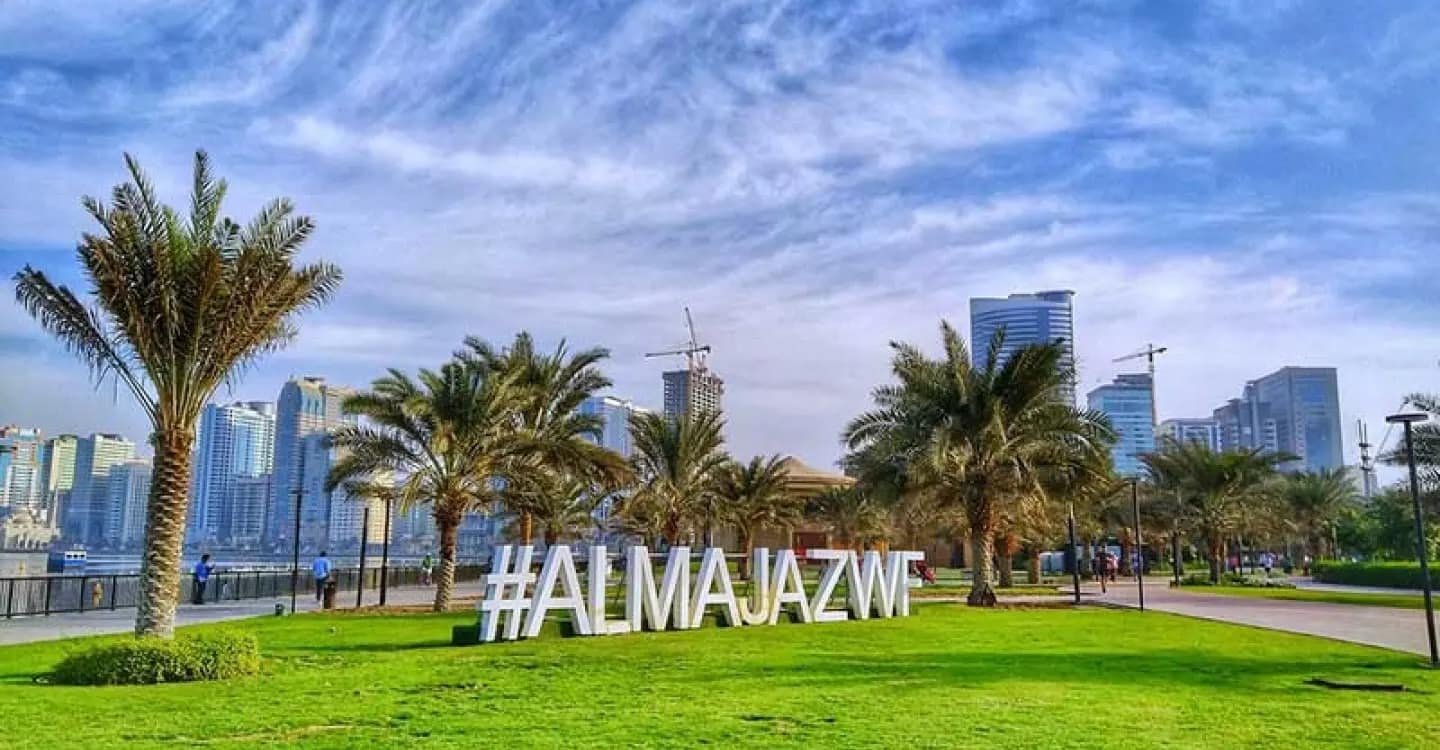
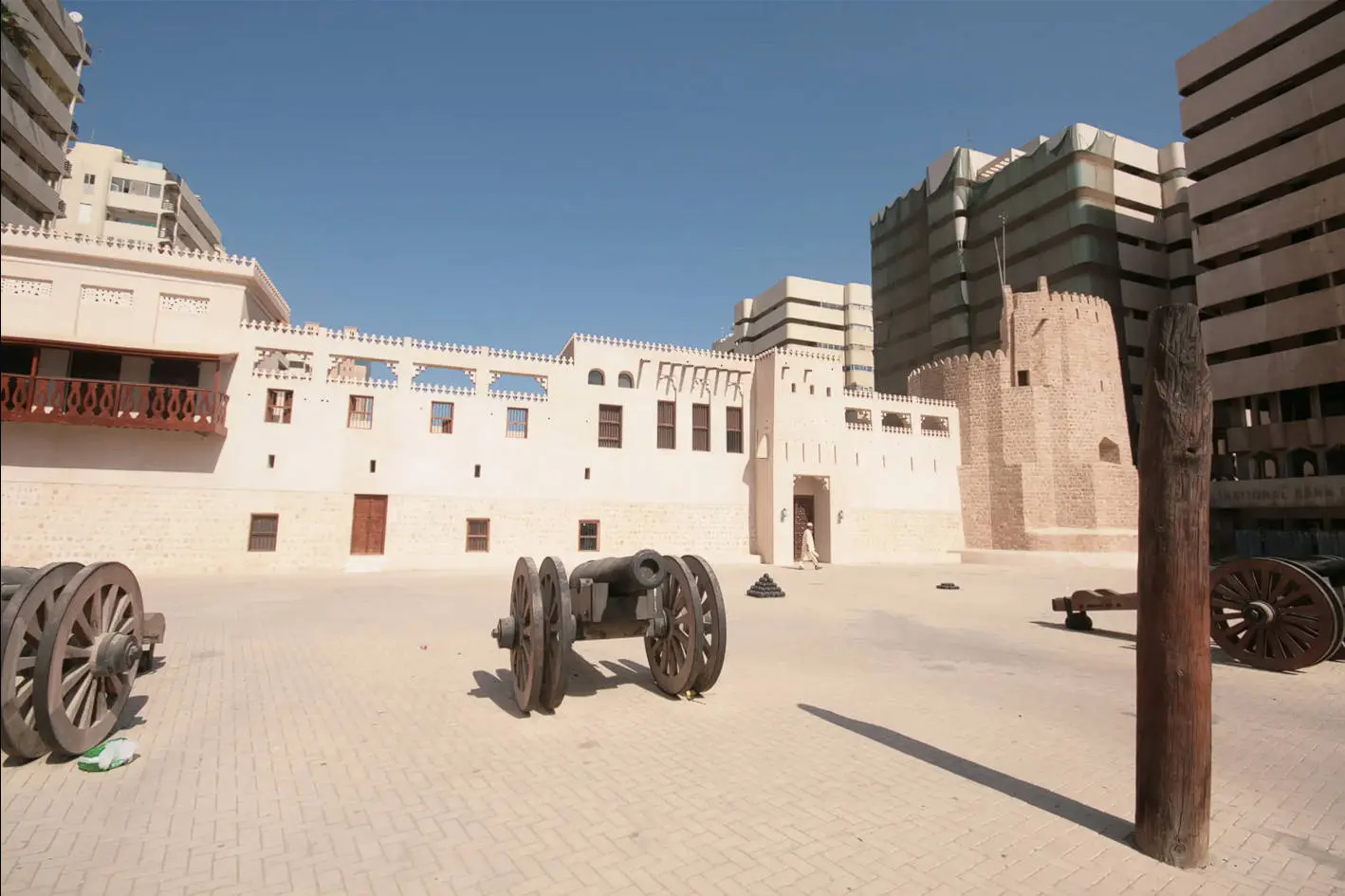
Sharjah Heritage Area is one of the most important cultural districts in the United Arab Emirates and one of the best places to understand the older identity of Sharjah. Located around the Heart of Sharjah, close to Sharjah Creek, Corniche Street, traditional souks, museums, and restored historic houses, the area gives travelers a valuable look at the city before the rise of modern towers, highways, and shopping malls. This is where visitors can walk through narrow lanes, see traditional courtyard houses, admire coral-stone walls, pass wind tower architecture, visit heritage museums, browse old-style markets, and experience the quieter rhythm of historic Sharjah.
The district is closely connected to Sharjah’s past as a trading town. Before the modern city expanded, this area was part of the original commercial and residential core, where merchants, pearl traders, families, craftsmen, and visitors moved between homes, markets, mosques, and the waterfront. The restoration of the Heart of Sharjah has helped bring this historic environment back into public life, turning the old center into a walkable heritage and arts district. Today, travelers can experience a carefully restored version of old Sharjah, with museums, cultural spaces, souks, galleries, cafés, boutique accommodation, and traditional architectural details that preserve the city’s memory.
One of the strongest reasons to visit Sharjah Heritage Area is the atmosphere. Unlike large indoor museums where history is displayed behind glass, this district allows visitors to experience heritage through streets, buildings, textures, doors, courtyards, and everyday spatial design. The walls, wooden doors, shaded alleys, and wind towers give a sense of how people lived and moved through the city in earlier times. The pace is slow and reflective, making it ideal for travelers who enjoy walking, photography, architecture, and local context. It is also a good contrast to Dubai’s fast skyline experience, giving visitors a more traditional and grounded view of the UAE.
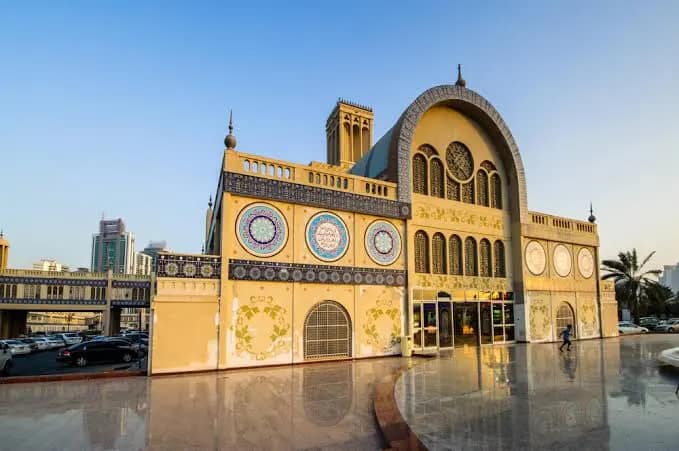
The area includes several attractions that can be visited separately or combined into a half-day itinerary. Sharjah Heritage Museum is one of the key stops, offering insight into Emirati family life, customs, celebrations, traditional knowledge, and social practices. Al Hisn Fort, also known as Sharjah Fort, is another important landmark, connected to the ruling family, governance, defense, and the political history of the emirate. Souk Al Arsah is one of the oldest marketplaces in the region and is a good place to browse souvenirs, incense, handicrafts, textiles, antiques, and traditional goods in a covered historic setting. Nearby, visitors may also find cultural houses, calligraphy spaces, art venues, and restored buildings that form part of the broader Heart of Sharjah experience.
The architecture is one of the main highlights of Sharjah Heritage Area. Traditional Gulf buildings were designed for the local climate, using courtyards, shaded passageways, thick walls, wooden screens, and wind towers to create cooler spaces before modern air-conditioning. Seeing these details in person helps travelers understand how architecture responded to the desert environment and social life. Wind towers, locally associated with traditional cooling, are especially interesting for visitors who enjoy design and heritage. The district also provides excellent photography opportunities, especially in the morning and late afternoon when the light brings out the textures of sand-colored walls, wooden doors, arches, and narrow lanes.
Sharjah Heritage Area is suitable for many types of travelers. Culture lovers will find it one of the most rewarding places in the city. Families can use it as an educational walk that introduces children to old homes, local customs, and traditional markets. Photographers will appreciate the soft colors, heritage details, and quiet courtyards. Visitors staying in Dubai can include the district in a day trip to Sharjah, especially if they want to experience a more traditional side of the UAE. It is also a useful starting point for understanding other Sharjah attractions, because many of the city’s museums and art spaces are connected to the same cultural vision.
A comfortable visit usually takes two to three hours, depending on how many museums and souks you include. Travelers who enjoy heritage, museums, and photography could easily spend half a day in and around the district. The best way to explore is on foot, moving slowly between the heritage houses, museums, souks, and public spaces. It is better not to treat the area as a single quick photo stop. The details are what make it special: wooden doors, old shopfronts, shaded alleys, displays about traditional life, restored rooms, craft objects, and the contrast between historic Sharjah and the modern city around it.
The best time to visit is from November to March, when the weather is cooler and outdoor walking is more pleasant. Early morning is good for quieter streets and comfortable temperatures, while late afternoon brings better light for photography. Summer visits are still possible, but travelers should avoid midday heat and focus on indoor museums, shaded souks, and short walks between air-conditioned stops. During Ramadan, public holidays, festivals, and special cultural events, opening hours and visitor flow may change, so it is always wise to check current timings for individual museums and attractions before planning a detailed visit.
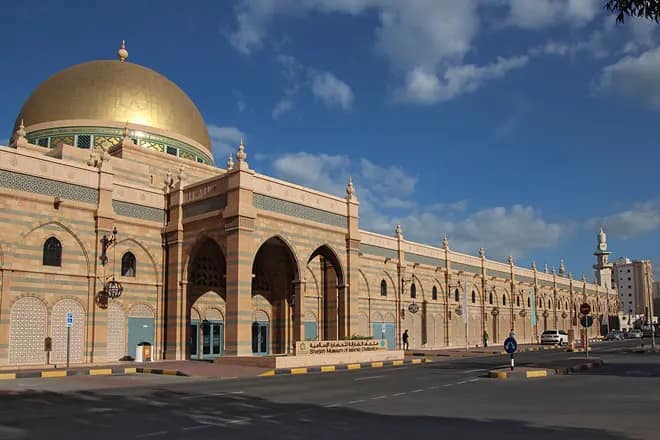
Getting to Sharjah Heritage Area is easiest by taxi, ride-hailing app, or private car. The district is located in central Sharjah near the creek and is usually easy to combine with Sharjah Museum of Islamic Civilization, Sharjah Art Museum, Blue Souk, and the corniche area. Visitors coming from Dubai should allow extra travel time because traffic between Dubai and Sharjah can be heavy during commuter hours. Once you arrive, walking is the best way to experience the area, as many of the most interesting details are found between the main attractions rather than only inside them.
Sharjah Heritage Area is worth visiting because it gives travelers a real sense of place. It shows that Sharjah is not only a modern UAE city, but also a historic trading center with deep cultural roots. The district brings together architecture, memory, museums, markets, and public life in a way that feels meaningful and accessible. For anyone planning a Sharjah itinerary, it should be considered an essential stop. It is especially valuable for visitors who want to understand Emirati culture, explore beyond modern attractions, and see why Sharjah is often described as one of the UAE’s most important cultural destinations.
Highlights
What stands out
Getting there
How to Go
Sharjah Heritage Area is located in central Sharjah within and around the Heart of Sharjah, close to Sharjah Creek, Corniche Street, Souk Al Arsah, Al Hisn Fort, and several museums. The easiest way to reach it is by taxi, ride-hailing app, or private car. From Dubai, allow extra travel time during peak commuter hours because Dubai-Sharjah traffic can be heavy. Once there, the area is best explored on foot, as many of its most interesting features are found along the restored lanes and between heritage buildings.
Before you go
Practical Info
Seasonality
Best Time to Visit
November to March is the best season for walking through the heritage lanes, visiting outdoor courtyards, and combining the area with nearby museums and souks. In summer, visit early morning, late afternoon, or focus on indoor museums and covered souks.
On the ground
Travel Tips
- Start early in the morning or visit late afternoon for cooler weather and better photography light.
- Wear comfortable walking shoes because the district is best explored on foot.
- Combine Souk Al Arsah, Sharjah Heritage Museum, and Al Hisn Fort in one heritage-focused route.
- Allow extra time if you enjoy photography, architecture, museums, or traditional markets.
- Carry water, especially if visiting outside the winter season.
- Avoid rushing between attractions; the small architectural details are part of the experience.
- Use taxis or ride-hailing apps if visiting from Dubai to avoid parking stress.
- Check individual museum schedules before planning a full itinerary.
FAQs
Common questions
Sharjah Heritage Area is the restored historic district of Sharjah, with traditional houses, wind towers, museums, souks, courtyards, and cultural landmarks.
Sharjah Heritage Area is commonly explored as part of the wider Heart of Sharjah district, which preserves and restores the city’s old historic center.
It is located in central Sharjah near Sharjah Creek, Corniche Street, Souk Al Arsah, Al Hisn Fort, and several museums.
Most visitors need around two to three hours, but travelers interested in museums, photography, and souks may spend half a day.
Visitors can see restored houses, wind towers, old lanes, traditional souks, museums, courtyards, cultural spaces, and heritage architecture.
Yes, it is one of the best places in Sharjah to understand Emirati heritage, traditional architecture, old trading life, and the city’s cultural identity.
Modest clothing is recommended, with shoulders and knees covered, because the area is culturally important and Sharjah is a conservative emirate.
Nearby attractions include Souk Al Arsah, Sharjah Heritage Museum, Al Hisn Fort, Sharjah Art Museum, and Sharjah Museum of Islamic Civilization.