Overview
Why visit Blue Souk
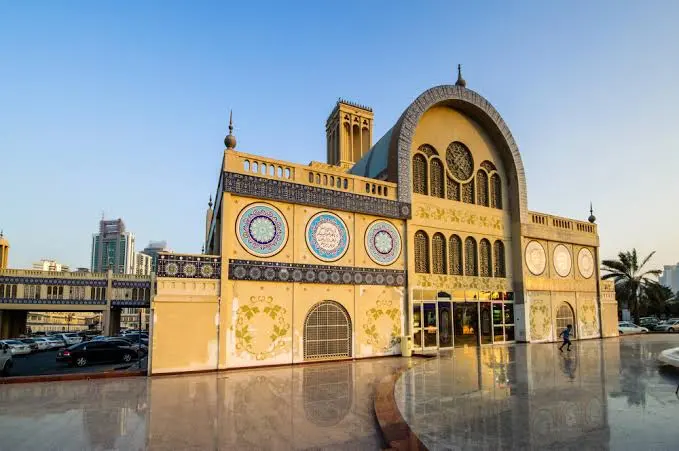
Blue Souk is one of the most iconic places to visit in Sharjah and one of the city’s most photographed landmarks. Officially called Sharjah Central Souk, it stands near Khalid Lagoon and King Faisal Street, with its elegant blue-tiled exterior, arched windows, decorative details, and traditional Islamic-inspired design making it instantly recognizable. For many visitors, this is not just a shopping stop but a cultural experience that reflects Sharjah’s identity as a city of heritage, trade, architecture, and family-friendly tourism. The building is also closely associated with the emirate’s image and has appeared on the UAE five-dirham note, giving it a special place in local memory.
The souk is especially appealing because it combines the feel of a traditional marketplace with the comfort of an indoor shopping environment. Unlike open-air souks where heat and crowds can make browsing tiring, Blue Souk is covered and easier to explore at a slow pace. Its two long buildings are connected by walkways, creating a distinctive layout that encourages visitors to wander between different sections. The atmosphere is quieter and more relaxed than Dubai’s most famous souks, which makes it a good choice for travelers who want to browse gold, carpets, handicrafts, perfumes, textiles, and souvenirs without feeling too rushed.
Shopping is the main reason most people visit Blue Souk. The lower levels are well known for gold and jewelry stores, where visitors can compare designs, ask about craftsmanship, and look for pieces ranging from simple everyday jewelry to more ornate traditional styles. Even travelers who do not plan to buy gold may enjoy seeing the displays because gold shopping is an important part of Gulf market culture. Prices depend on weight, craftsmanship, gold rate, and design, so visitors should ask clearly about making charges and compare more than one shop before deciding. Bargaining may be possible on certain items, especially in non-gold sections, but it should always be done politely.
Beyond jewelry, Blue Souk is a good place to look for carpets, rugs, pashminas, textiles, antique-style objects, oud, perfumes, incense, decorative pieces, and gifts. The upper level is often more interesting for travelers searching for traditional items and souvenirs. You may find Persian-style carpets, Afghan rugs, Kashmiri shawls, embroidered fabrics, metal coffee pots, wooden chests, lamps, and small decorative objects that suit travelers looking for something more meaningful than standard mall souvenirs. Quality and prices can vary, so it is worth taking time to compare shops and ask questions. Travelers buying carpets or higher-value items should check material, origin, delivery options, and return policies before paying.
The architecture of Blue Souk is a major part of its appeal. The building was designed to echo the feeling of a grand traditional bazaar while remaining practical for a modern city. Its blue tilework, repeated arches, domed forms, and long symmetrical façade make it one of Sharjah’s most attractive urban sights. From the outside, it is especially photogenic in the late afternoon when the light softens and the building stands out against the sky and lagoon area. The nearby waterfront setting adds to the experience, allowing visitors to combine shopping with a short walk, city photography, or a visit to nearby attractions.
Blue Souk is suitable for many types of travelers. Culture-focused visitors will enjoy it as a living reminder of Sharjah’s trading heritage. Shoppers will appreciate the variety of jewelry, textiles, carpets, and perfumes. Photographers can capture the exterior architecture, blue tiles, arches, and lagoon-side setting. Families may find it easier to visit than busier open markets because it is covered and organized. It is also useful for travelers staying in Dubai who want a half-day trip into Sharjah that includes a traditional market without going too far into the city’s outer areas.
A visit to Blue Souk does not need to be long, but it should not be rushed. Most visitors can explore the main sections in one to two hours. If you are planning to buy jewelry, carpets, perfumes, or textiles, allow extra time to compare shops and negotiate carefully. The best time to visit is usually late morning, late afternoon, or evening. Midday can be quieter, but some shops may operate with different break timings, so visitors should check current opening hours before making a special trip. Fridays and weekends can be busier, especially in the evening, when local families and residents are more likely to shop.
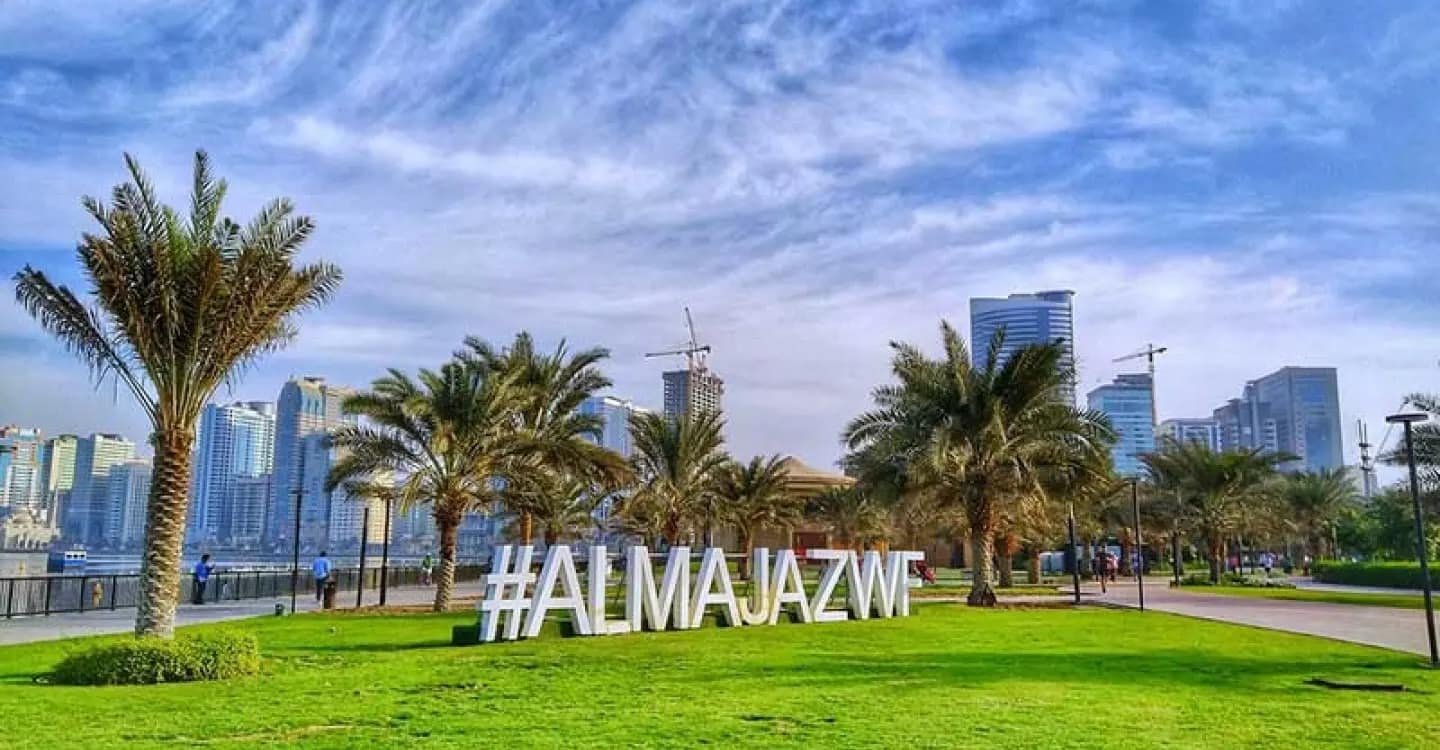
Getting to Blue Souk is straightforward by taxi, ride-hailing app, or private car. Its location near King Faisal Street, Khalid Lagoon, and central Sharjah makes it easy to combine with Al Noor Island, Al Majaz Waterfront, Al Noor Mosque, and the Heart of Sharjah. Visitors coming from Dubai should plan around traffic, as the Dubai-Sharjah route can become slow during commuter hours. If using a rental car, check parking options nearby and allow extra time during busy periods. For most tourists, a taxi is the simplest choice because it avoids parking concerns and makes it easier to continue to another attraction afterward.
The best season to visit Blue Souk is from November to March, when the weather is pleasant enough to enjoy the surrounding areas before or after shopping. However, because the souk is indoors, it is also a practical stop during the hot summer months. In summer, visitors can use it as part of an indoor-focused Sharjah itinerary, along with museums, malls, aquariums, and galleries. Evening visits are often more atmospheric, especially if you want to photograph the exterior or continue toward the lagoon area after shopping.
Blue Souk is worth visiting because it offers a genuine Sharjah experience that sits between heritage and everyday commerce. It is not a luxury mall and not a museum, but a working marketplace with architectural character and strong local identity. For travelers interested in the best places to visit in Sharjah, it deserves a place on the itinerary because it shows how the city balances tradition, shopping, family life, and cultural presentation. Whether you come to buy gold, browse carpets, take photos, choose souvenirs, or simply see one of Sharjah’s landmark buildings, Blue Souk offers a memorable stop in the city.
Highlights
What stands out
Getting there
How to Go
Blue Souk is located near King Faisal Street and Khalid Lagoon in central Sharjah. The easiest way to reach it is by taxi, ride-hailing app, or private car. From many areas of Sharjah, travel time is short depending on traffic. From Dubai, allow extra time during peak commuter hours because roads into Sharjah can be busy. The souk can be combined easily with Al Noor Island, Al Majaz Waterfront, Al Noor Mosque, and the Heart of Sharjah.
Before you go
Practical Info
Seasonality
Best Time to Visit
November to March is best for combining the souk with nearby outdoor attractions, but Blue Souk can be visited year-round because it is an indoor shopping destination.
On the ground
Travel Tips
- Visit in the late afternoon if you want good exterior photos and a more atmospheric shopping experience.
- Compare prices at several shops before buying gold, carpets, perfumes, or higher-value items.
- Ask about material, origin, size, and delivery options before purchasing carpets or rugs.
- Carry some cash, although many shops may also accept cards.
- Bargain politely, especially for souvenirs and textiles, but avoid aggressive negotiation.
- Avoid Dubai-Sharjah rush hours if visiting from Dubai by car or taxi.
- Combine the souk with Al Noor Island or Al Majaz Waterfront for an easy half-day itinerary.
- Check shop timings before visiting on Fridays or public holidays.
FAQs
Common questions
Blue Souk, officially called Sharjah Central Souk, is a famous traditional-style indoor market known for gold, carpets, textiles, perfumes, antiques, souvenirs, and blue-tiled architecture.
Blue Souk is located near King Faisal Street and Khalid Lagoon in central Sharjah, United Arab Emirates.
It is called Blue Souk because of its distinctive blue-tiled exterior, which makes the building one of Sharjah’s most recognizable landmarks.
Visitors can buy gold, jewelry, carpets, rugs, pashminas, textiles, perfumes, oud, incense, antiques, decorative items, and souvenirs.
Most visitors need around one to two hours, but shoppers buying gold, carpets, or gifts may want more time to compare prices.
Yes, Blue Souk is good for tourists because it offers traditional shopping, local atmosphere, photogenic architecture, and easy access to nearby Sharjah attractions.
Bargaining may be possible for souvenirs, carpets, textiles, and decorative items, but gold prices are usually based on weight, daily rate, and making charges.
Nearby attractions include Al Noor Island, Al Noor Mosque, Al Majaz Waterfront, Khalid Lagoon, and the Heart of Sharjah.