
In this guide
Quick Answer
Quick Answer
The best places to visit in Oman include Sultan Qaboos Grand Mosque, Mutrah Corniche, Nizwa Fort, Jebel Akhdar, Wadi Shab, Wahiba Sands, Wadi Darbat, Al Mughsail Beach, Ras Al Jinz Turtle Reserve, and Salalah’s Khareef attractions. These places give first-time visitors a strong mix of culture, mountains, beaches, desert, wadis, wildlife, and local heritage.
For a short trip, start with Muscat, then add either Nizwa and Jebel Akhdar for mountains and forts, or Wadi Shab and Ras Al Jinz for coastal nature. For a longer trip, include Salalah, especially during Khareef season, when waterfalls, valleys, and misty mountain viewpoints become some of Oman’s most memorable experiences.
Introduction
Oman is one of the most rewarding destinations in the Arabian Peninsula because it offers many different travel styles in one country. You can visit a grand mosque in the morning, walk along a historic corniche by sunset, swim through a wadi, explore a desert camp, drive into cool mountain villages, and end the trip on a quiet beach. The best places to visit in Oman are not only famous attractions; they are also practical travel anchors that help you plan a real route.
This guide is made for first-time visitors, families, couples, nature lovers, culture travelers, and short-stay planners who want to understand where to go and how to organize the trip. Muscat is the easiest starting point, with Sultan Qaboos Grand Mosque, Mutrah Corniche, Al Mouj Muscat, and nearby day trips. Nizwa and Jebel Akhdar are best for heritage and mountain scenery. Wadi Shab and Ras Al Jinz are ideal for outdoor travelers heading along the coast. Wahiba Sands gives Oman its classic desert experience, while Salalah offers a completely different green landscape during the Khareef season.
Oman rewards travelers who plan by region instead of trying to cross the whole country too quickly. Distances can be long, and some nature places need proper footwear, daylight, weather awareness, or a suitable vehicle. Use this guide to choose your priorities, group nearby places, avoid common mistakes, and build a trip that matches your time, season, budget, and travel style.
How to plan your visit
The easiest way to plan Oman is by grouping places into regions. Start with Muscat if this is your first visit. It has the country’s main international airport, good hotels, restaurants, coastal views, cultural attractions, and access to several day trips. Sultan Qaboos Grand Mosque and Mutrah Corniche are the two most useful first stops because they introduce Oman’s architecture, faith, sea trade history, and relaxed city atmosphere.
After Muscat, choose your second base based on your interest. If you want forts, old souks, mountain roads, cooler weather, and traditional villages, move toward Nizwa and Jebel Akhdar. If you want swimming, hiking, coastal scenery, and wildlife, follow the route toward Wadi Shab and Ras Al Jinz Turtle Reserve. If you want sand dunes and a desert night, add Wahiba Sands. If you want waterfalls, greenery, beaches, and monsoon landscapes, fly or drive to Salalah.
For most visitors, 5 to 7 days is enough for Muscat, Nizwa, Jebel Akhdar, Wadi Shab, and Wahiba Sands at a comfortable pace. Salalah is better as a separate 3 to 5 day extension because it is far from Muscat and has enough nature places to justify its own plan. A very short Oman trip of 2 to 3 days should stay around Muscat, Mutrah, the Grand Mosque, and one nearby nature or cultural day trip.
Transport matters in Oman. Taxis and tours work well inside Muscat and for some organized trips, but many of the best places outside the capital are easier with a rental car, private driver, or guided tour. Mountain roads, desert tracks, and remote beaches need more planning than normal city sightseeing. Families, travelers with luggage, and visitors planning Nizwa, Jebel Akhdar, Wahiba Sands, or coastal routes should think carefully about transport before finalizing hotels.
Best places for first-time visitors
First-time visitors should not try to see every famous place in Oman in one trip. Oman is best enjoyed slowly, with time for driving, viewpoints, local meals, and relaxed evenings. The strongest first-time route is Muscat, Nizwa, Jebel Akhdar, Wadi Shab, and Wahiba Sands. This route gives you a balanced introduction to Oman’s city culture, Islamic architecture, forts, mountain scenery, wadis, and desert landscapes.
In Muscat, Sultan Qaboos Grand Mosque is the most important architectural and cultural landmark. Mutrah Corniche is the best place to understand the city’s old trading character, especially when paired with Mutrah Souq and the harbor views. Al Mouj Muscat is useful for a more modern waterfront experience, especially for families, couples, and evening dining.
Nizwa Fort is one of the best places to understand Oman’s inland history. It works well with the souq and nearby mountain routes. Jebel Akhdar is a strong next stop if you want cooler air, canyon views, villages, and terraced farms. Wadi Shab is ideal for active travelers who want Oman’s famous wadi scenery, but it needs proper footwear and enough time. Wahiba Sands is best for travelers who want a desert camp, sunset dunes, and a classic Omani desert landscape.
For first-time visitors who are mainly interested in nature, Salalah can become the highlight. During Khareef season, Wadi Darbat, Ayn Athum Waterfall, Jabal Samhan Viewpoint, Al Mughsail Beach, and Fazayah Beach feel very different from northern Oman. Outside Khareef, Salalah is still worth visiting for beaches, history, and coastal drives, but the famous green landscapes are most special during the monsoon months.
Best places for families
Oman is a strong family destination because many attractions are outdoor, scenic, spacious, and calm. Families should choose places with easy access, short walking distances, shade, toilets nearby where possible, and flexible timing. Muscat is the easiest family base because it has hotels, malls, restaurants, medical services, and short travel times between major attractions.
Sultan Qaboos Grand Mosque is good for families with older children who can follow dress and behavior rules. Mutrah Corniche is better in the evening when the weather is cooler and children can enjoy the seafront walk. Al Mouj Muscat is one of the easiest family-friendly areas in the capital because it has restaurants, marina views, and a relaxed environment.
For nature, Wadi Darbat in Salalah is one of the best family choices during the right season because it offers green scenery and easier viewpoints compared with more adventurous wadis. Al Mughsail Beach is also family-friendly for views, photos, and coastal scenery, but families should be careful near waves and rocky areas. Jebel Akhdar can be a good family mountain escape if transport is planned properly and the accommodation is comfortable.
Wadi Shab is beautiful but not ideal for every family. It involves walking, rocky sections, water crossings, and swimming depending on how far you go. Families with small children should treat it carefully or choose easier viewpoints and coastal stops instead. Wahiba Sands can be memorable for families, but it is best with a trusted camp, clear pickup details, and realistic expectations about sand, heat, and motion on dunes.
Best free and low-cost places to visit
Many of the best places to visit in Oman can be enjoyed without expensive activities. Mutrah Corniche is one of the best free experiences in Muscat, especially at sunset. You can walk beside the sea, see the harbor, photograph the old-style buildings, and explore the nearby souq area at your own pace. Even if you do not buy anything, it gives a strong sense of old Muscat.
Beaches are another good low-cost option. Al Mughsail Beach and Fazayah Beach near Salalah are excellent for scenic coastal views, while Muscat’s waterfront areas are easy for casual walks. Always check sea conditions before swimming, especially around remote beaches where lifeguards may not be present.
Mountain viewpoints can also be low-cost if you already have transport. Jebel Akhdar and Jabal Samhan Viewpoint offer memorable scenery, but road rules and vehicle suitability matter. The real cost is often transport, fuel, or a driver rather than an entrance ticket. For budget travelers, joining a small group tour or sharing transport can make these places easier.
Old towns, forts from outside, souq areas, corniches, public viewpoints, and coastal drives are excellent for travelers who want Oman without a high attraction budget. Paid entries may apply at some forts, reserves, or organized activities, so check current details before visiting. The best budget strategy is to spend on transport and choose a mix of free viewpoints, beaches, souqs, and one or two paid highlights.
Best places to visit at night
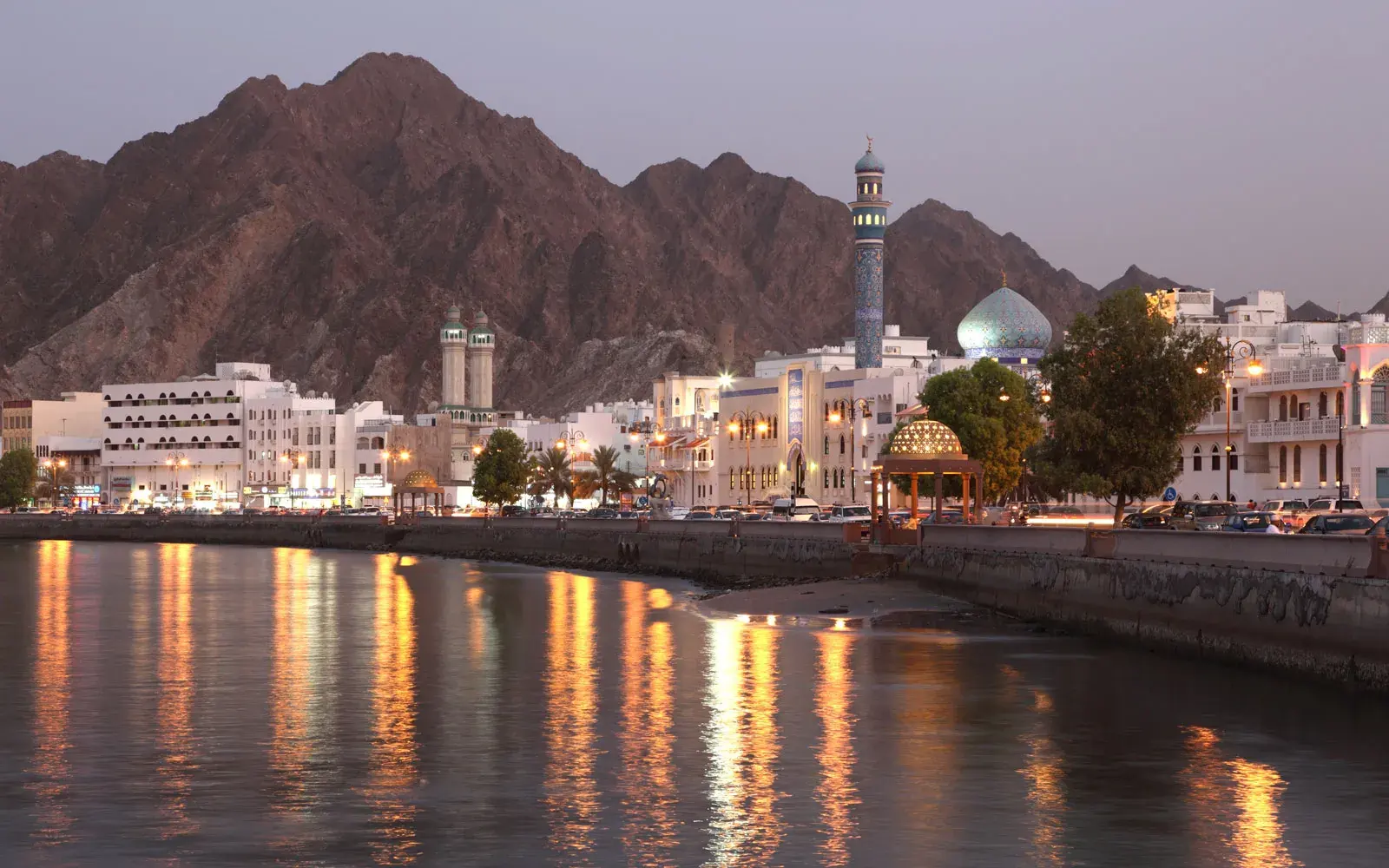
Oman’s evenings are often more comfortable than afternoons, especially outside winter. In Muscat, Mutrah Corniche is one of the best places to visit at night. The lights along the waterfront, the harbor atmosphere, and the nearby souq make it a relaxed evening stop. It is also a good place for travelers who want a simple walk after a day of sightseeing.
Al Mouj Muscat is another strong evening area, especially for couples and families. The marina setting, restaurants, cafes, and clean walking areas make it easy to enjoy without complicated planning. It is not the traditional side of Oman, but it shows the modern waterfront lifestyle of Muscat.
Wahiba Sands is one of the most memorable overnight experiences in Oman. The best part is not only the sunset; it is the quiet desert atmosphere after dark. Staying at a desert camp allows travelers to enjoy dinner, stars, and early morning dune views without rushing back to the city.
In Salalah, evening plans depend on the season and weather. During Khareef, mist and light rain can change visibility, but the atmosphere can be special. Coastal areas, local restaurants, and city markets work better at night than remote mountain roads. Avoid driving unfamiliar mountain or wadi roads after dark, especially during fog, rain, or low visibility.
Best cultural places
Oman’s cultural places are one of the country’s biggest strengths. Sultan Qaboos Grand Mosque is the most important cultural landmark for many first-time visitors because it combines Islamic architecture, craftsmanship, scale, and peaceful design. Visitors should dress modestly, respect prayer areas, and check current visiting hours before going.
Mutrah Corniche and the surrounding souq area show Muscat’s maritime and trading history. The waterfront is simple, but it connects the sea, mountains, old markets, and local daily life in one easy walk. It is one of the best places to feel the older character of the capital.
Nizwa Fort is a key cultural stop outside Muscat. It represents Oman’s inland heritage, defensive architecture, and old market-town importance. Pairing the fort with the souq gives travelers a better sense of how Nizwa became one of the country’s most important historical centers.
Taqah Castle near Salalah adds a smaller, more local cultural experience. It works well with a wider Dhofar route that includes coastal villages, viewpoints, and nature stops. Nabi Ayoub Tomb is another important religious and historical place in the Salalah region, best visited with respect for local customs and quiet surroundings.
Sohar Fort is useful for travelers exploring northern Oman and the Batinah coast. It gives the city a heritage anchor and can be combined with coastal stops. Oman’s forts and castles are not just photo stops; they help travelers understand how geography, trade, mountains, and coastal defense shaped the country.
Best nature and outdoor places
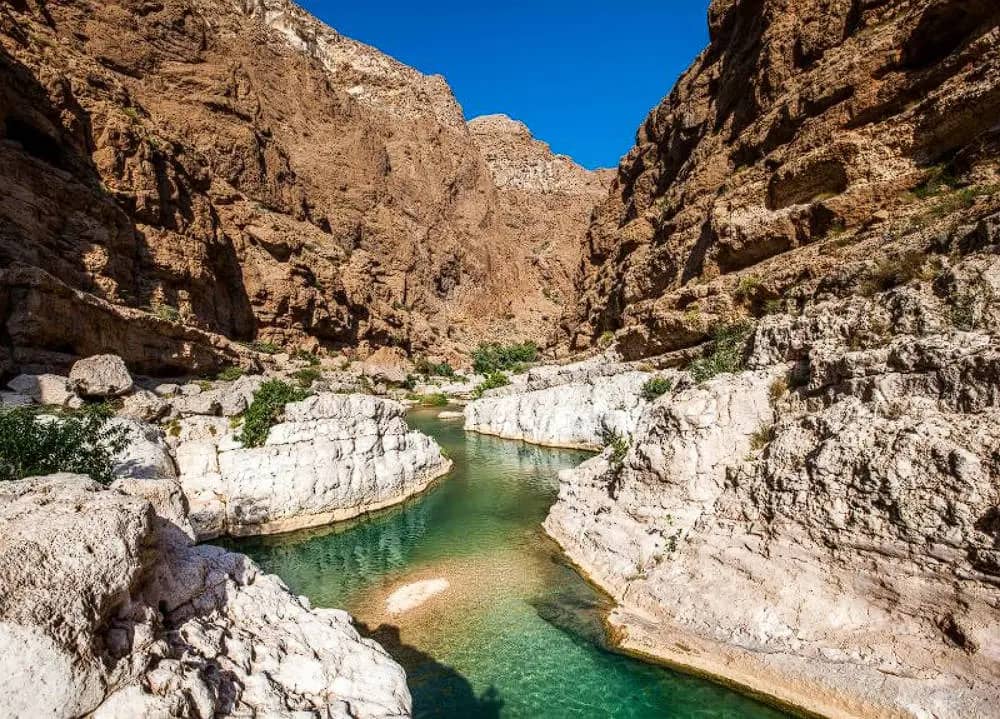
Oman is one of the best nature destinations in the Gulf because its landscapes are unusually varied. Wadi Shab is one of the most famous outdoor places, known for its canyon scenery, turquoise pools, and active route. It is best for travelers who are comfortable walking on uneven ground and dealing with water sections. Go early, avoid rushing, and do not visit during unsafe weather.
Jebel Akhdar is one of Oman’s best mountain destinations. It is known for cooler weather, terraced villages, canyon views, and a completely different feel from the coast. It is especially attractive in the cooler months and during seasonal blooms, but road requirements and accommodation planning are important.
Wahiba Sands gives travelers the desert side of Oman. The dunes, sunset views, camps, and wide empty landscapes make it one of the country’s most iconic experiences. It is best with a trusted camp or guide, especially for visitors who are not experienced driving on sand.
Salalah and the Dhofar region add a greener side of Oman. Wadi Darbat, Ayn Athum Waterfall, Jabal Samhan Viewpoint, Al Mughsail Beach, and Fazayah Beach are among the strongest nature places in the south. During Khareef, the scenery can become misty and green, but roads and viewpoints may also become busier. Outside Khareef, the region is still scenic, especially for beaches, coastal cliffs, and quieter drives.
Ras Al Jinz Turtle Reserve is one of Oman’s most special wildlife experiences. It requires responsible planning because turtle viewing is seasonal, guided, and sensitive. Visitors should avoid flash photography, loud behavior, and any action that disturbs wildlife. It is not a casual beach stop; it is best treated as a conservation-focused experience.
Best indoor places during hot or rainy weather
Oman’s weather can strongly affect sightseeing. During hot months, plan outdoor places early in the morning or near sunset, and use the middle of the day for indoor attractions, hotel rest, restaurants, malls, or short cultural visits. Muscat is the easiest place to manage heat because it has more indoor options and shorter travel times.
Sultan Qaboos Grand Mosque is still partly outdoor, but it can work well early in the day before the strongest heat. Mutrah Souq and nearby indoor shopping areas can give some shade, although the surrounding streets may still feel hot. Al Mouj Muscat is better in the evening than midday during summer.
Forts and castles can become hot during the day, especially if there is climbing or exposed courtyard walking. Visit Nizwa Fort, Sohar Fort, or Taqah Castle earlier when possible. Carry water and avoid planning too many exposed heritage sites in one afternoon.
During Khareef in Salalah, the issue may be mist, drizzle, slippery ground, and reduced visibility rather than heat. Waterfalls and mountain viewpoints can be beautiful, but paths may be wet and roads can be busier. Keep flexible plans and avoid forcing remote viewpoints when visibility is poor.
Suggested sightseeing plan
For a short 3-day Oman visit, stay in Muscat and focus on quality. Visit Sultan Qaboos Grand Mosque, Mutrah Corniche, Mutrah Souq, Al Mouj Muscat, and one nearby nature or heritage trip. This works well for business travelers, stopover visitors, and families who do not want long drives.
For a balanced 5-day first-time visit, combine Muscat, Nizwa Fort, Jebel Akhdar, Wadi Shab, and Wahiba Sands. This plan gives you the strongest mix of mosque, corniche, fort, mountain, wadi, and desert without trying to cover the whole country. It is best with a rental car, private driver, or organized route.
For a 7 to 10 day Oman trip, add Ras Al Jinz Turtle Reserve and more coastal time. This allows you to slow down between Wadi Shab, Sur area, turtle viewing, desert, Nizwa, and Muscat. Travelers who enjoy nature and road trips will find this more rewarding than rushing straight from one famous landmark to another.
For Salalah, plan it as a separate southern extension. A good Salalah-focused trip includes Wadi Darbat, Al Mughsail Beach, Fazayah Beach, Ayn Athum Waterfall, Jabal Samhan Viewpoint, Taqah Castle, and Nabi Ayoub Tomb. During Khareef, allow extra time for traffic, mist, weather changes, and popular viewpoints.
Curated picks
Best places in this guide
 01
01Religious & Architectural Landmark
Start with Oman’s most important mosque landmark
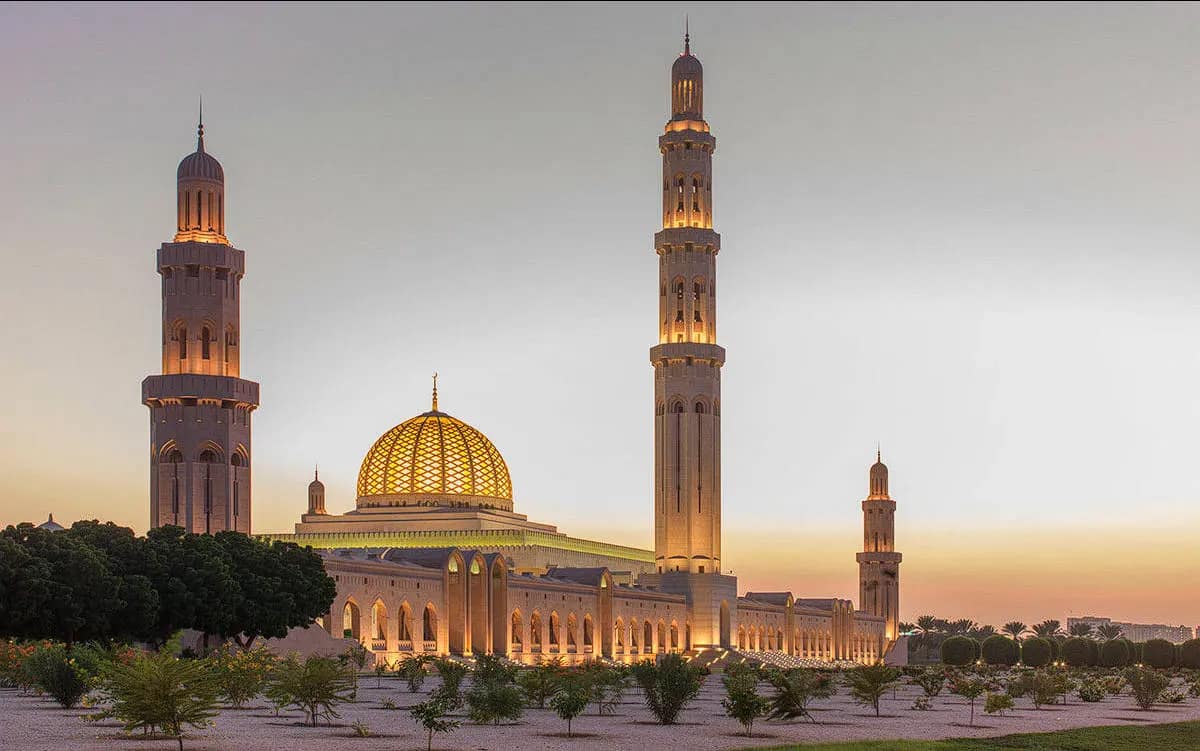
Sultan Qaboos Grand Mosque is one of the best places to visit in Oman for first-time travelers because it gives an immediate sense of the country’s architecture, faith, craftsmanship, and calm atmosphere. The mosque is especially impressive for its scale, symmetry, courtyards, prayer hall details, and mountain-backed setting in Muscat. It is a respectful cultural stop rather than a quick photo point, so visitors should check current visiting hours, dress modestly, and allow enough time to walk slowly. It works best at the start of an Oman trip because it sets the tone for the country’s blend of tradition, elegance, and quiet hospitality.
 02
02Waterfront Promenade
Walk Muscat’s classic waterfront
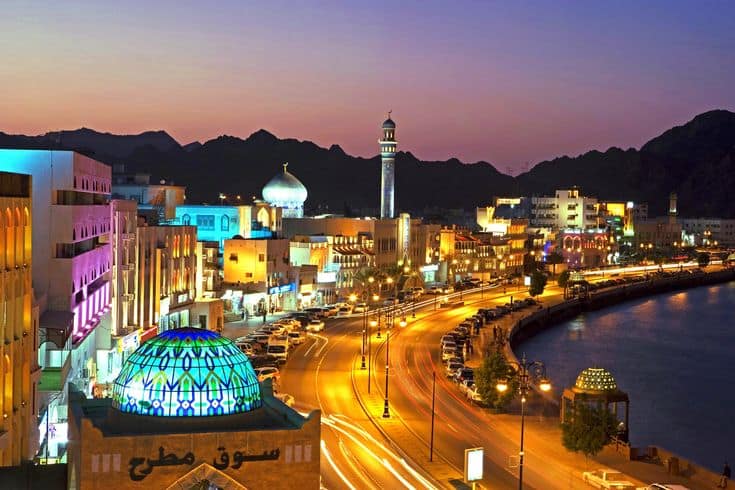
Mutrah Corniche is one of the most useful places to include in any Oman trip because it combines sea views, old Muscat atmosphere, harbor scenery, and easy access to the souq area. It is best visited in the late afternoon or evening when the light is softer and the waterfront becomes more comfortable for walking. First-time visitors can use Mutrah as a relaxed introduction to Muscat’s trading history and coastal setting. The area is also good for budget travelers because the main experience is walking, looking, photographing, and exploring nearby lanes. Families should come in cooler hours and keep the visit flexible.
 03
03Historical Landmark
Explore Oman’s inland heritage
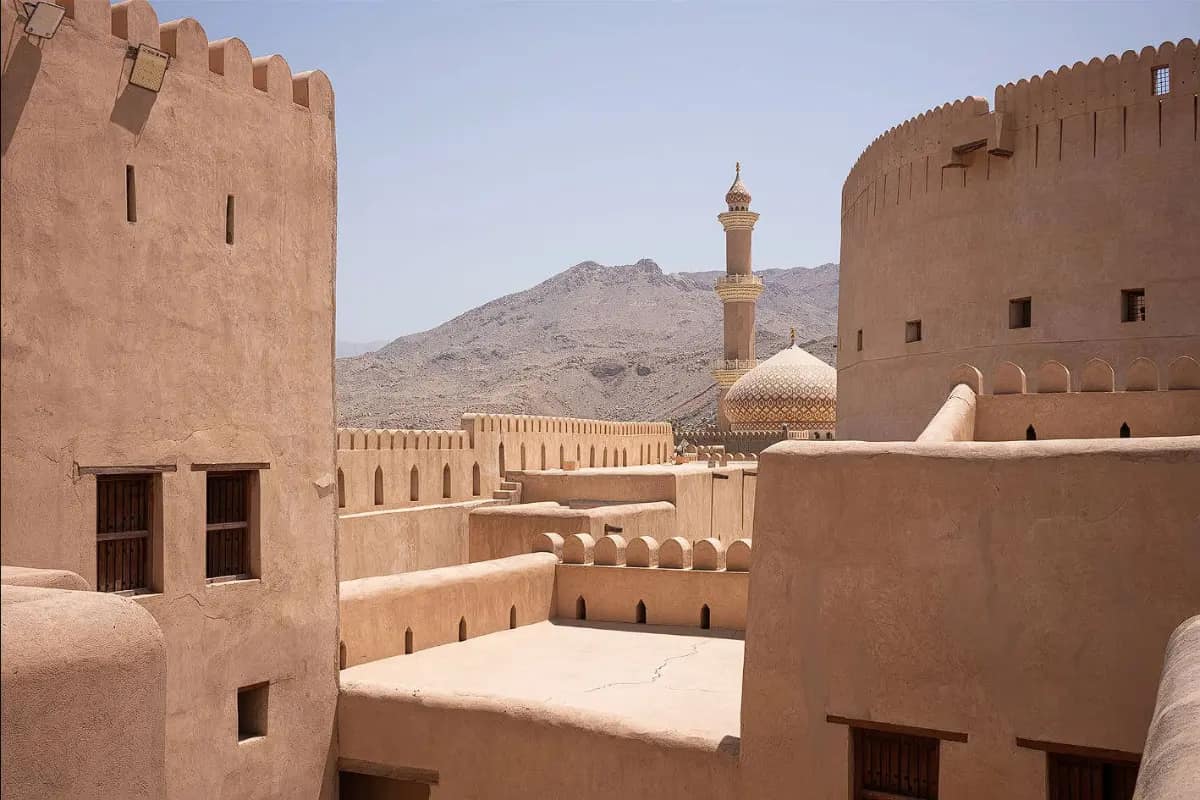
Nizwa Fort is one of the best cultural places to visit in Oman and a strong anchor for travelers heading inland from Muscat. The fort gives visitors a clearer understanding of Oman’s defensive architecture, market-town history, and old power centers away from the coast. It is best paired with the surrounding souq and, if time allows, a mountain route toward Jebel Akhdar. The fort works well for families, couples, photographers, and history-focused travelers, but it is better to visit earlier in the day during warmer months. Nizwa is also a practical stop for travelers building a route between Muscat, the mountains, and the desert.
 04
04Mountain Destination
Add cool mountain scenery to your Oman trip
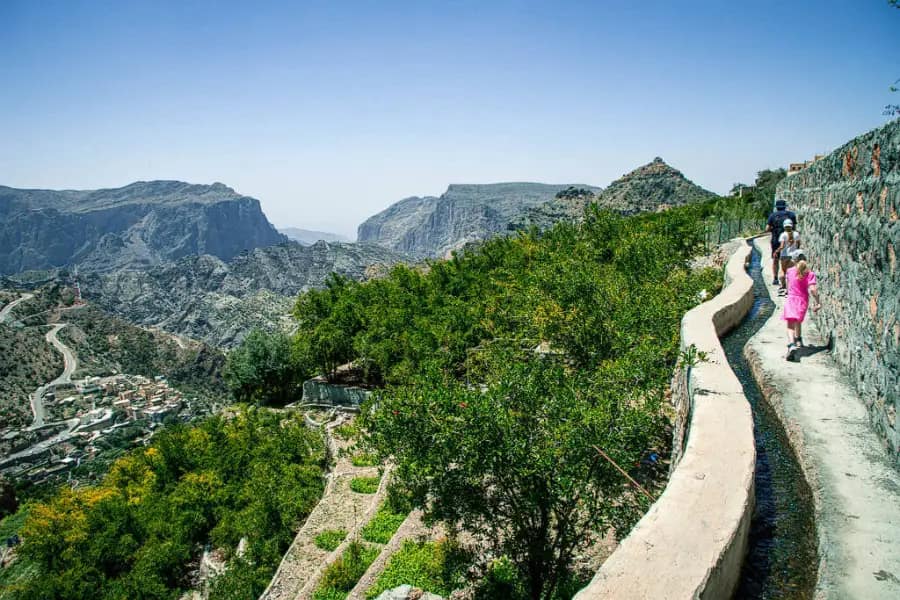
Jebel Akhdar is one of Oman’s most memorable mountain destinations, especially for travelers who want cooler air, canyon viewpoints, terraced villages, and a slower pace after Muscat. The area feels very different from the coast and is a strong choice for couples, families, and nature travelers. It is not a place to rush; the best experience comes from staying long enough to enjoy viewpoints, village walks, and changing light across the mountains. Road planning matters, and visitors should check vehicle requirements and weather conditions before going. Jebel Akhdar is best combined with Nizwa Fort for a balanced culture-and-nature route.
 05
05Nature & Adventure
Visit one of Oman’s most famous wadis
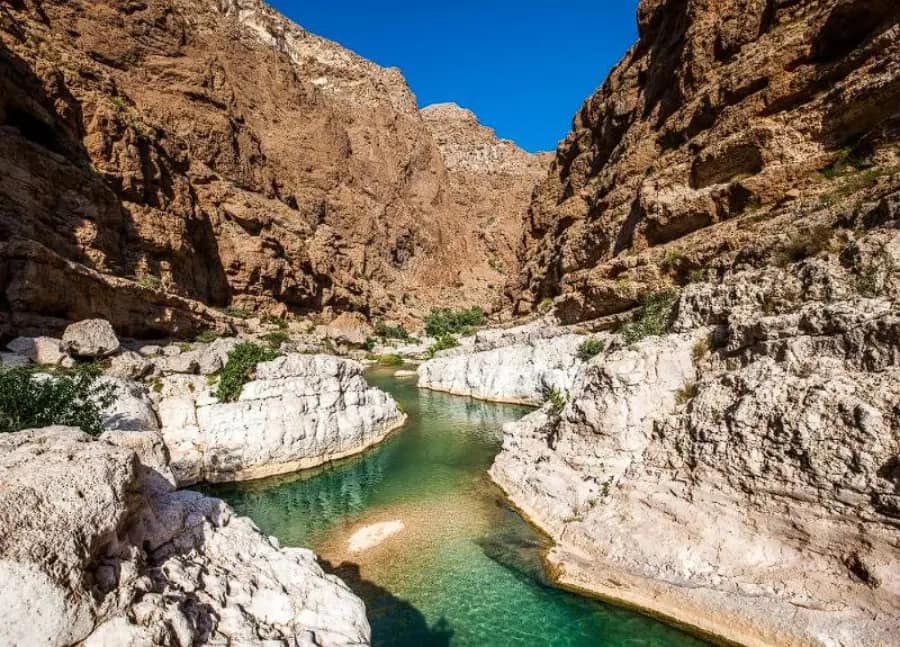
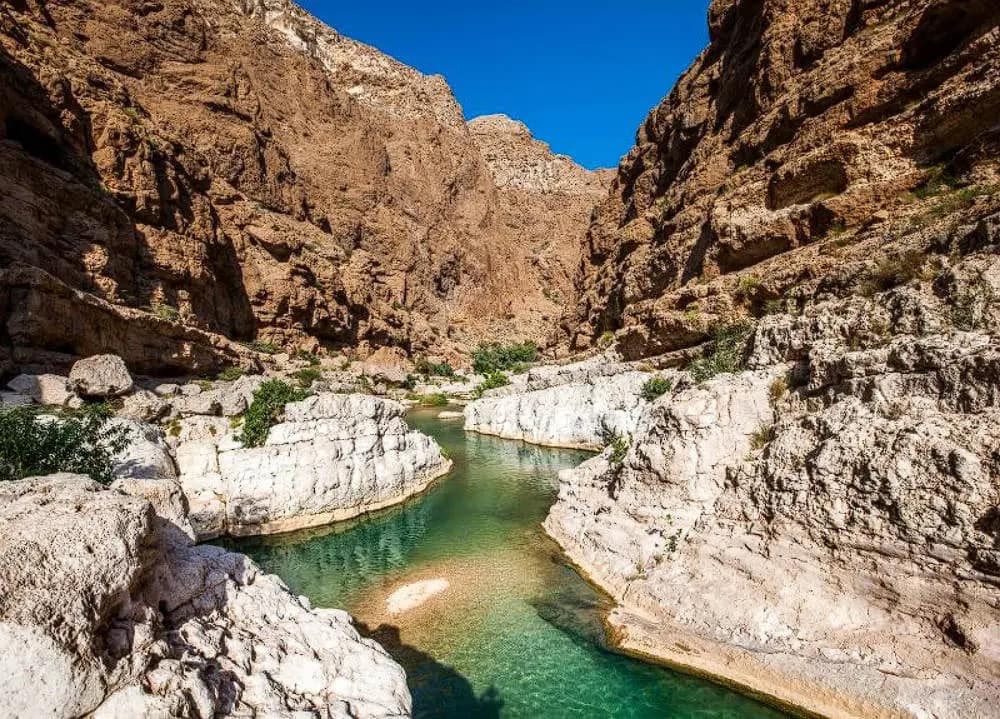
Wadi Shab is one of the top outdoor places to visit in Oman for active travelers. It is famous for dramatic canyon scenery, clear pools, rocky walking sections, and a sense of adventure that feels very different from city sightseeing. This is not the best place to rush or visit casually in unsafe weather. Travelers should wear suitable footwear, carry water, protect valuables, and understand that reaching the best parts may involve walking and swimming. Wadi Shab works best as part of a coastal route from Muscat, often paired with other nature stops or an onward journey toward Sur and Ras Al Jinz.
 06
06Desert & Adventure
Experience Oman’s classic desert landscape
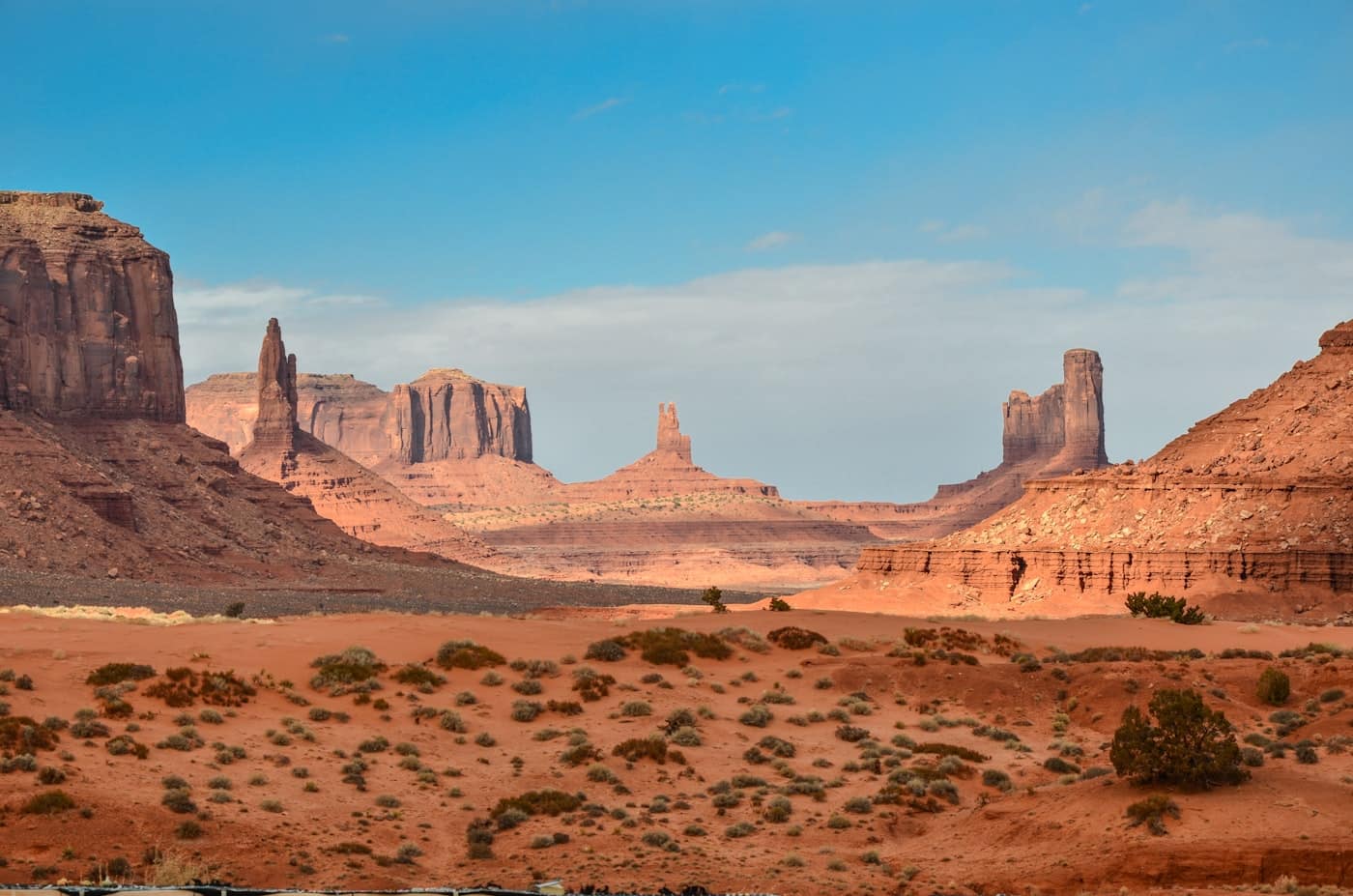
Wahiba Sands is one of the best places in Oman for travelers who want a real desert experience without overcomplicating the trip. The dunes, sunset colors, desert camps, and quiet night atmosphere make it a highlight for couples, families, photographers, and adventure travelers. It is best planned as an overnight stay because the desert is most beautiful around sunset, at night, and early morning. Visitors should arrange transport carefully, especially if they are not experienced in sand driving. Many travelers use camp transfers or guided access instead of driving deep into the dunes themselves.
 07
07Nature & Valley
See Salalah’s green valley scenery
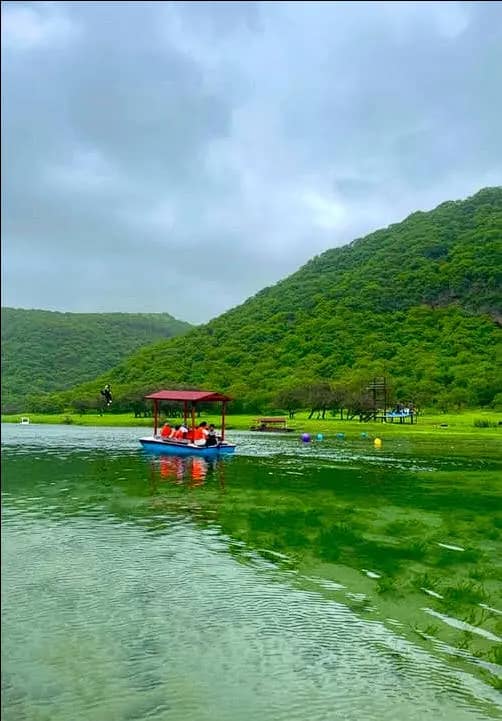
Wadi Darbat is one of the best places to visit in Salalah and one of Oman’s most attractive nature spots during Khareef season. The valley can offer greenery, water, mountain scenery, and a softer landscape that surprises many visitors who only expect desert in Oman. It is especially good for families and first-time Salalah visitors because it gives a strong sense of Dhofar’s seasonal beauty. During popular periods, expect more visitors and allow extra travel time. Outside Khareef, the mood changes, but the area can still be worth visiting as part of a wider Salalah nature route.
 08
08Beach & Nature
Enjoy one of Oman’s most dramatic beaches
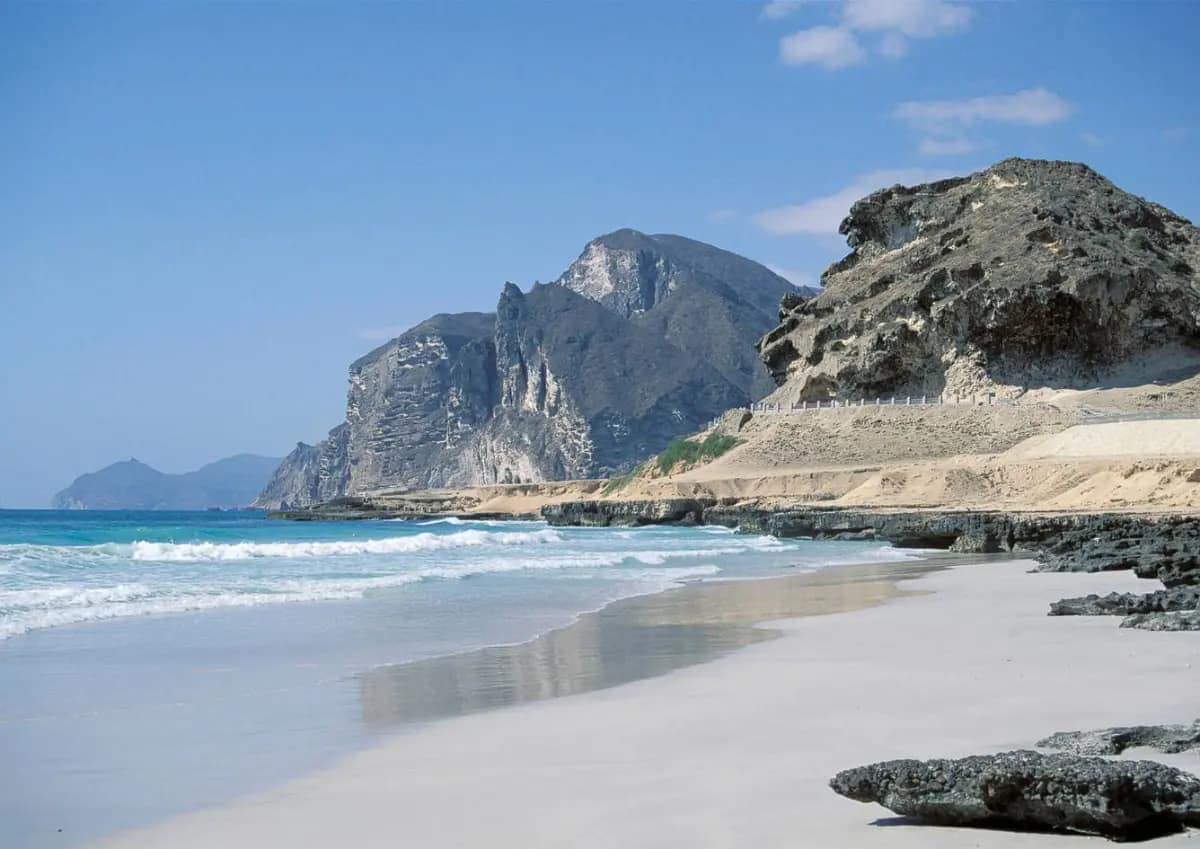
Al Mughsail Beach is one of the most scenic coastal places in Oman, known for its wide beach setting, cliffs, sea views, and dramatic natural atmosphere near Salalah. It is a strong stop for photographers, couples, families, and travelers who want coastal scenery without needing a long hike. The beach is best enjoyed with caution, especially when waves are strong or rocks are slippery. During Khareef, the area can feel wild and atmospheric, while outside the season it may feel brighter and more open. It pairs well with other west Salalah coastal stops, including Fazayah Beach.
 09
09Beach & Nature
Find a quieter wild beach near Salalah
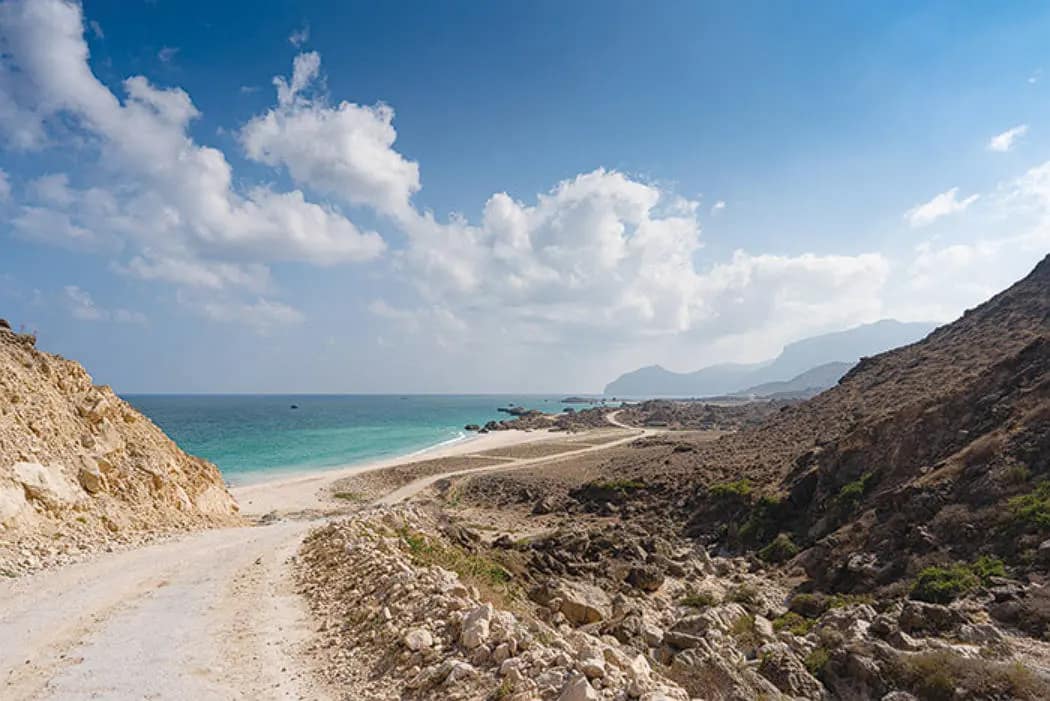
Fazayah Beach is a beautiful choice for travelers who want a wilder and quieter beach experience in the Salalah region. It is best for scenery, photography, peaceful coastal views, and travelers who prefer natural places over busy developed beaches. Access and road conditions should be considered before visiting, especially for families or visitors with small cars. It is not a place to treat casually if weather, waves, or visibility are poor. When planned properly, Fazayah Beach adds a remote and memorable coastal side to an Oman trip, especially when combined with Al Mughsail Beach and west Salalah viewpoints.
 10
10Mountain Viewpoint
Look over Dhofar’s mountain landscapes
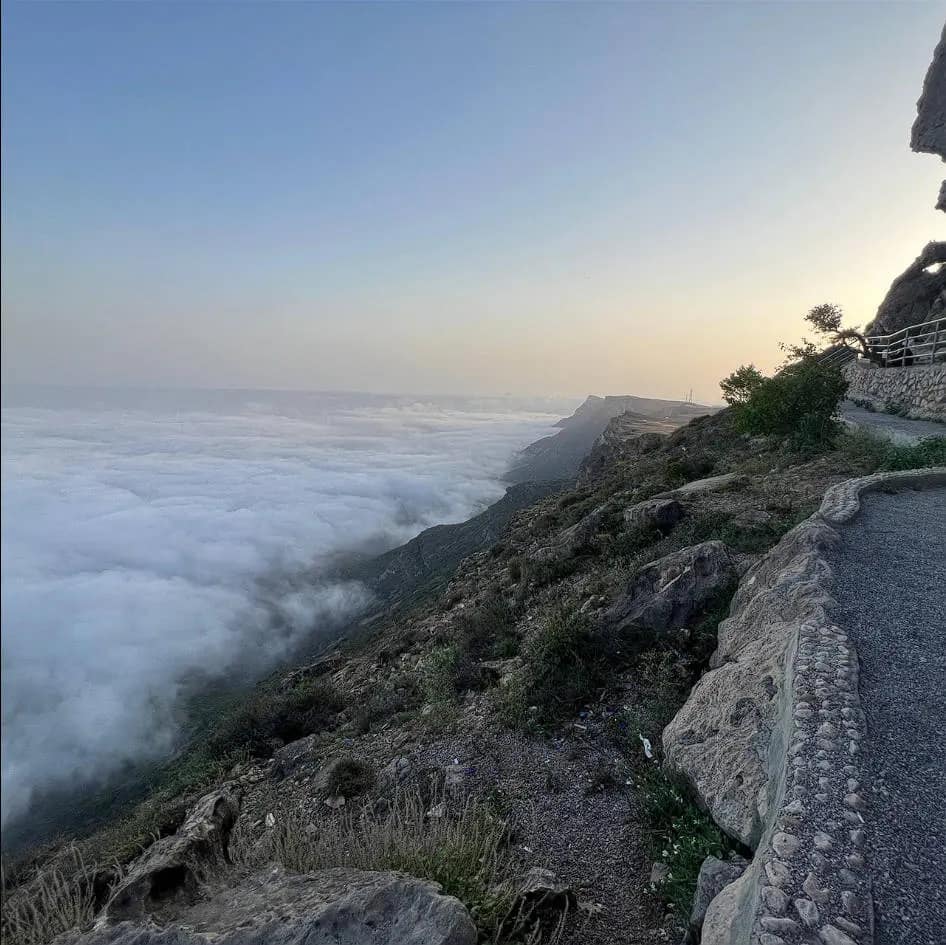
Jabal Samhan Viewpoint is one of the best places in Oman for dramatic mountain views, especially when visiting the Salalah region. The viewpoint gives travelers a sense of Dhofar’s cliffs, highlands, and changing weather. During Khareef, mist and cloud can make the area atmospheric, but visibility can also change quickly. Travelers should keep plans flexible and avoid disappointment if the view is hidden by fog. It is a good addition to a Salalah nature route with Wadi Darbat and Taqah. Families can visit, but should stay cautious near edges and avoid risky photo spots.
 11
11Waterfall & Nature
Visit a seasonal waterfall near Salalah
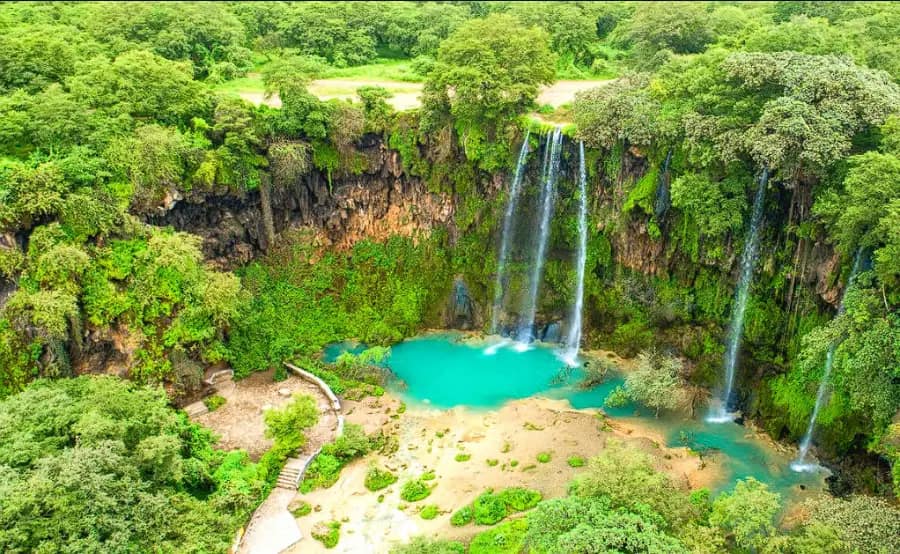
Ayn Athum Waterfall is a rewarding nature stop in the Salalah region, especially during or soon after the Khareef season when water flow and greenery can be more impressive. It is best for travelers who want a softer nature experience without committing to a long mountain hike. Conditions can vary by season, so visitors should keep expectations realistic and check local updates when possible. Paths may be wet or slippery during the monsoon period, so simple walking shoes are better than sandals. It works well as part of a half-day Salalah nature loop with Wadi Darbat and nearby viewpoints.
 12
12Historical Landmark
Add heritage to a Salalah nature trip
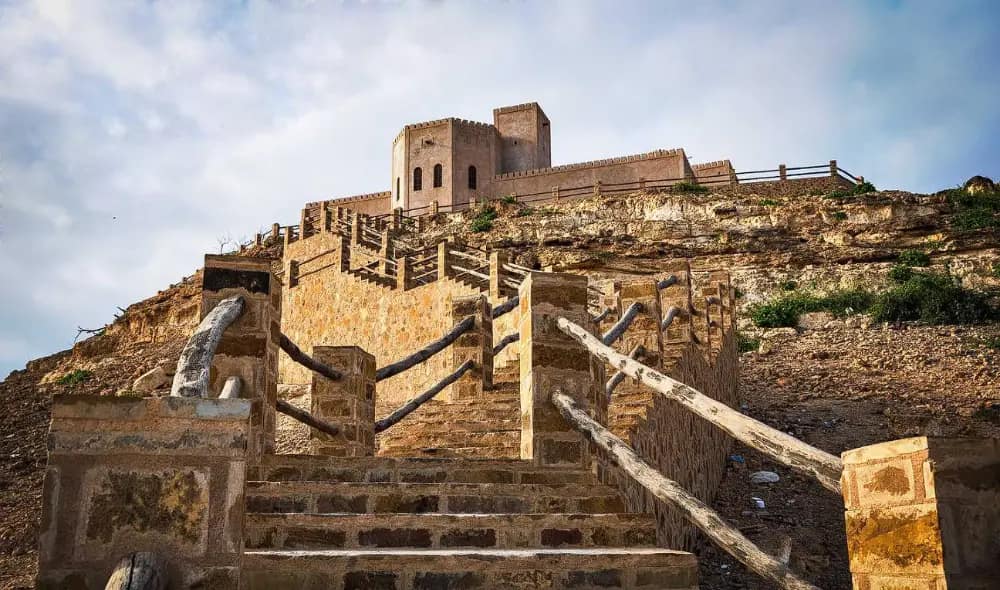
Taqah Castle is a compact cultural stop that balances Salalah’s beaches, valleys, and waterfalls with local history. It is useful for travelers who want more than scenery and would like to understand the older settlement character of Dhofar. The castle is easy to combine with Wadi Darbat, coastal viewpoints, and nearby village areas, making it a practical stop in a half-day or full-day route. It is not as large as some famous forts in northern Oman, but that makes it easier for families and short-stay visitors. Check current opening times before planning around it.
 13
13Nature & Wildlife
Plan a responsible turtle-viewing experience
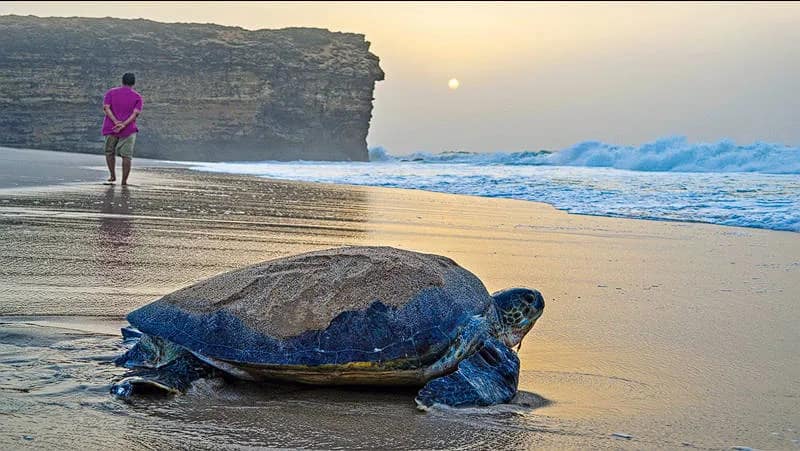
Ras Al Jinz Turtle Reserve is one of Oman’s most special wildlife places and should be planned with respect and patience. The main reason to visit is guided turtle viewing, which depends on nature, season, and responsible visitor behavior. It is not a normal beach stop and should not be treated like one. Travelers should follow guide instructions, avoid bright lights and flash photography, and keep noise low. It works best as part of a coastal route after Wadi Shab or Sur, with an overnight stay nearby if needed. For wildlife lovers, it can become one of the most meaningful experiences in Oman.
 14
14Historical Landmark
Discover a northern Oman heritage stop
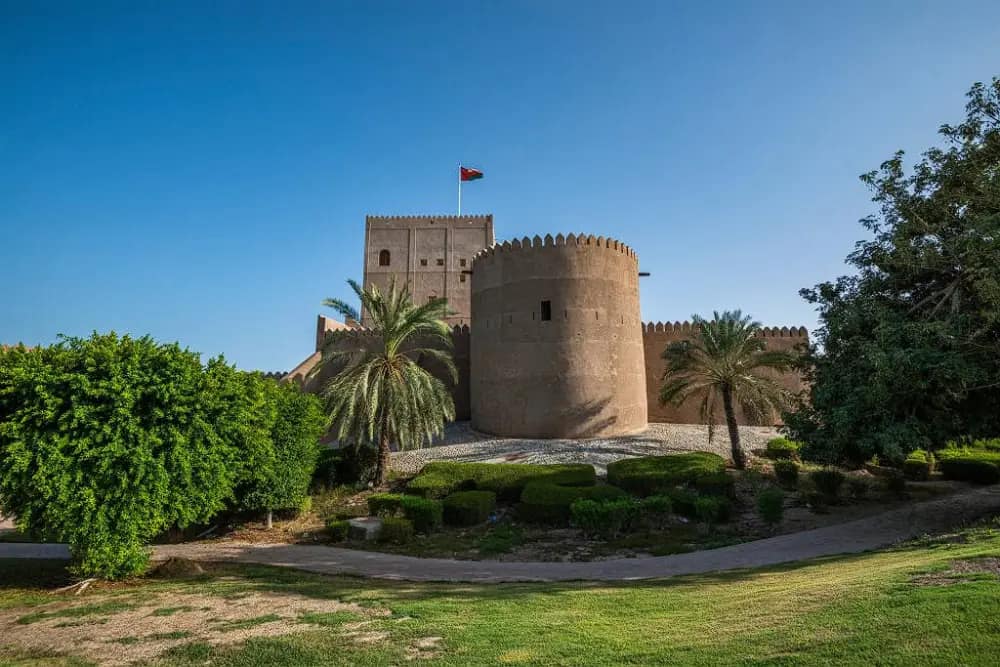
Sohar Fort is a useful stop for travelers exploring northern Oman and the Batinah coast. It gives Sohar a clear historical anchor and works well for visitors who want to add culture to a coastal or road-trip route. The fort is best visited as part of a wider Sohar stop rather than as a standalone reason to cross the country. It can be a good option for travelers moving between Muscat and the UAE border area, or for visitors who want to see more than the most common Oman tourist route. Check current opening details before planning.
 15
15Waterfront Destination
Relax at Muscat’s modern waterfront
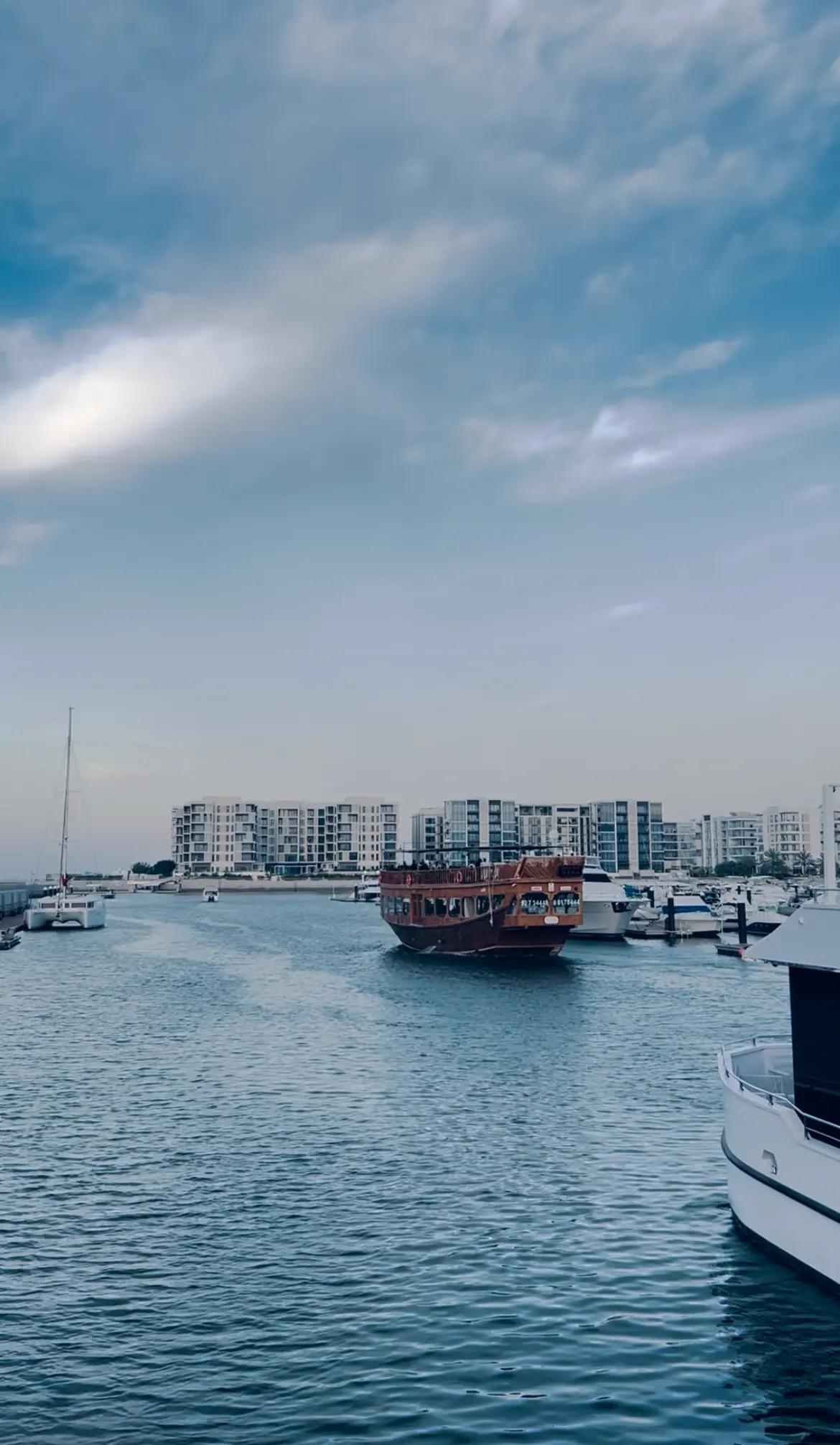
Al Mouj Muscat is one of the easiest modern places to visit in Oman, especially for families, couples, and travelers who want a comfortable evening after sightseeing. The area offers marina views, restaurants, cafes, and walkable waterfront spaces. It is not the old cultural side of Muscat, but it is useful for balancing a trip that includes forts, mosques, wadis, and long drives. Visit in the evening for a relaxed atmosphere and cooler weather. It is also practical for travelers staying near the airport or looking for a clean, simple dining area in the capital.
Selected places
Related guides
 01
01Seasons
Best Time to Visit Oman
A seasonal guide to winter road trips, spring roses, summer mountains, and Salalah's Khareef.
 02
02Planning
First-Time Oman Itinerary
A balanced route for Muscat, the mountains, desert, wadis, and coastal towns without rushing every day.
 03
03Transport
Driving in Oman
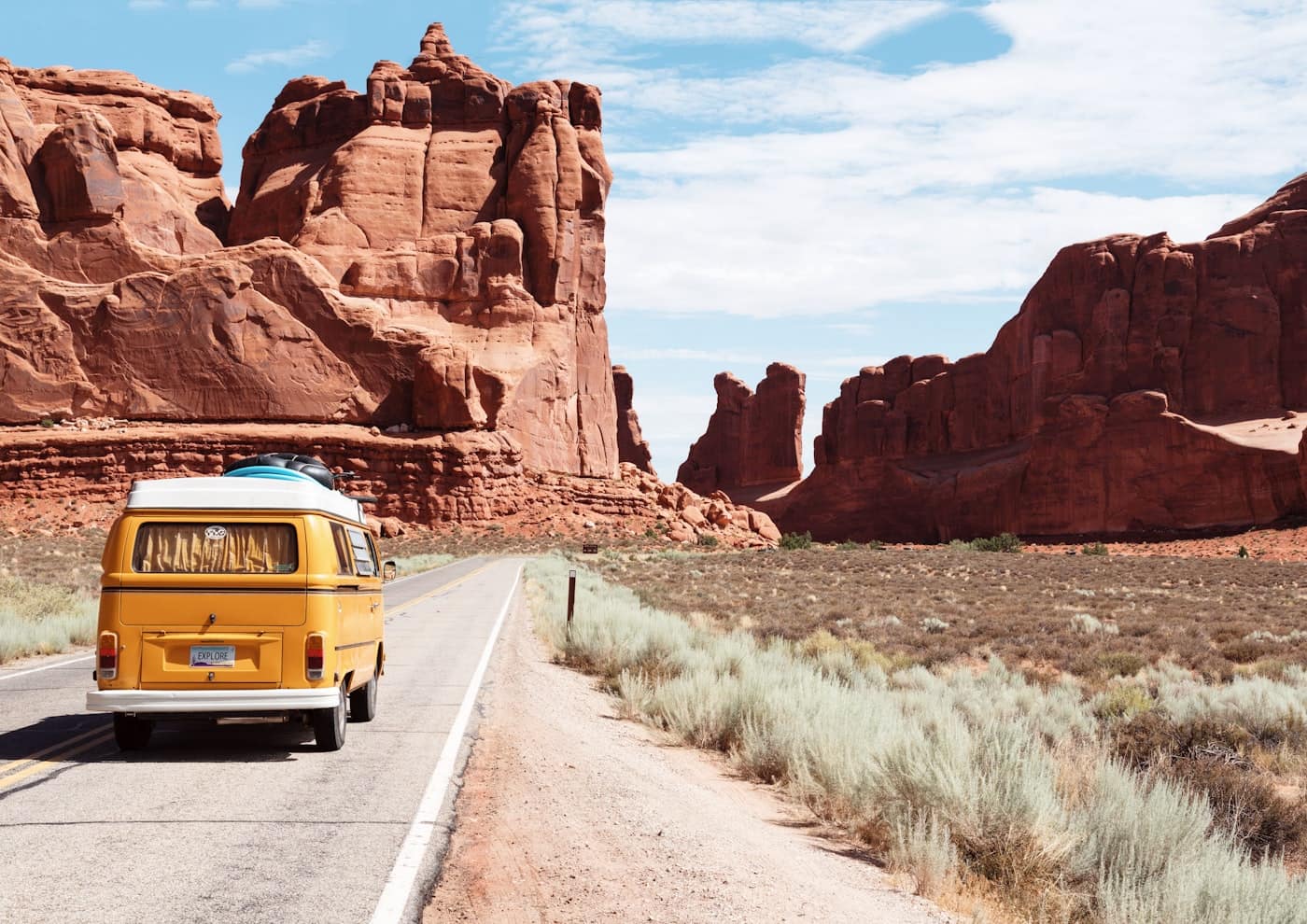
What to know before renting a car, choosing a 4WD, and planning fuel stops between regions.
 04
04Road Trip Guide
Driving From Muscat to Salalah Guide
Planning a road trip from Muscat to Salalah? Discover driving distance, road conditions, fuel stops, speed limits, best routes, safety tips, and the best time for Oman’s most famous road journey.
 05
05Culture
Oman Culture and Etiquette
Simple, respectful tips for markets, mosques, clothing, greetings, and photography.
 06
06Travel Tips
Documents Required for Renting a Car in Oman
Planning to rent a car in Oman? Here are the documents required for tourists, residents, and GCC travelers, along with driving license rules, age requirements, deposits, and important rental tips.
 07
07Driving Guide
Oman Speed Limits Explained for Tourists
Planning to drive in Oman? Learn the official speed limits for highways, cities, mountain roads, and tourist areas, along with camera rules, fines, and important driving tips for visitors.
Quick info
Best Duration
5–7 days for northern Oman, 8–12 days with Salalah
Best Season
November to March for most of Oman; Khareef season for green Salalah
Best For
Culture, mountains, wadis, beaches, desert, families, road trips
Best Starting Point
Muscat
Best First-Time Route
Muscat, Nizwa, Jebel Akhdar, Wadi Shab, Wahiba Sands
Best Cultural Place
Sultan Qaboos Grand Mosque and Nizwa Fort
Best Nature Area
Wadi Shab, Jebel Akhdar, Wahiba Sands, and Salalah
Best Free Experience
Mutrah Corniche and coastal viewpoints
Transport
Rental car, private driver, guided tours, taxis inside Muscat
Family Friendly
High, with careful planning for heat, wadis, desert, and long drives
Best time to visit
The best time to visit most places in Oman is from November to March, when the weather is more comfortable for walking, forts, beaches, wadis, mountain drives, and desert camps. October and April can also work, but midday heat may still affect outdoor sightseeing.
For Salalah, the most famous season is Khareef, usually in the summer months, when the Dhofar region becomes greener and mistier than the rest of Oman. This is the best time for waterfalls, valleys, and monsoon scenery, but it can also mean more crowds, wet paths, and reduced mountain visibility. If you want beaches and clearer coastal weather in Salalah, the months outside peak Khareef may be calmer.
Estimated cost
Budget
Budget travelers can keep costs lower by staying in simple hotels, focusing on free places like corniches, beaches, souqs, viewpoints, and selected forts, and sharing transport where possible. The biggest cost outside Muscat is usually transport, not sightseeing.
Mid-range
Mid-range travelers can stay in comfortable hotels, rent a car or use private transfers for selected routes, include paid fort visits or guided nature experiences, and spend one night in a desert camp or mountain stay.
Premium
Premium travelers can choose resort stays in Muscat or Salalah, private drivers, guided wadi and desert trips, high-quality desert camps, mountain resorts, and flexible multi-region planning with flights between Muscat and Salalah.
Travel tips
Common mistakes
FAQs
Common questions
What are the best places to visit in Oman for first-time travelers?+-
The best places for first-time travelers are Sultan Qaboos Grand Mosque, Mutrah Corniche, Nizwa Fort, Jebel Akhdar, Wadi Shab, Wahiba Sands, and either Ras Al Jinz or Salalah if you have more time. This mix gives you culture, mountains, wadis, desert, coast, and local heritage.
How many days do I need to visit Oman?+-
You need at least 3 days for a short Muscat-focused trip, 5 to 7 days for a strong first-time route in northern Oman, and 8 to 12 days if you want to include Salalah comfortably. Salalah is far from Muscat, so it is better planned as a separate extension.
Is Oman good for families?+-
Yes, Oman is good for families because it is calm, scenic, and rich in outdoor places. Families should plan carefully around heat, long drives, wadi safety, desert access, and mountain roads. Muscat, Al Mouj, Mutrah, Nizwa, Jebel Akhdar, Wadi Darbat, and selected beaches are good family choices.
What is the best time to visit Oman?+-
November to March is the best time for most of Oman because the weather is more comfortable for sightseeing, beaches, forts, wadis, and desert trips. Salalah is different because Khareef season brings green landscapes, waterfalls, mist, and a unique summer travel experience.
Can I visit Oman without renting a car?+-
You can visit Muscat without renting a car by using taxis, private transfers, or tours. For Nizwa, Jebel Akhdar, Wadi Shab, Wahiba Sands, Ras Al Jinz, and many Salalah nature routes, transport planning is much more important. A rental car, driver, or guided tour makes these places easier.
What are the best free places to visit in Oman?+-
Mutrah Corniche, public beaches, coastal viewpoints, souq areas, and many scenic drives are among the best free or low-cost experiences in Oman. Some forts, reserves, guided experiences, and private attractions may have fees, so check current details before visiting.
Is Salalah worth visiting?+-
Yes, Salalah is worth visiting, especially during Khareef season if you want green valleys, waterfalls, misty mountains, and a different side of Oman. It is also good outside Khareef for beaches, coastal drives, culture, and a slower southern Oman experience.
What is the best area to stay in Oman for sightseeing?+-
For a first trip, stay in Muscat at the beginning because it is the easiest base for the Grand Mosque, Mutrah, restaurants, and airport access. Add Nizwa or Jebel Akhdar for inland heritage and mountains, a desert camp for Wahiba Sands, and Salalah if you are visiting Dhofar.