Overview
Why visit Taqah Castle
Taqah Castle stands as one of the finest examples of traditional Omani architecture in southern Oman and serves as an important reminder of the region’s rich cultural heritage. Situated in the historic fishing town of Taqah, approximately 30 kilometers east of Salalah, the castle has become one of the most popular historical attractions in Dhofar, attracting travelers interested in history, culture, and traditional Omani life.
Built during the nineteenth century, the castle originally served as the residence of Sheikh Ali bin Taman Al Ma'shani, a respected local leader and governor. Unlike many military forts designed solely for defense, Taqah Castle functioned as both a residence and an administrative center. This dual purpose is reflected in its architecture, where practical defensive features coexist with comfortable living spaces designed for family life and governance.
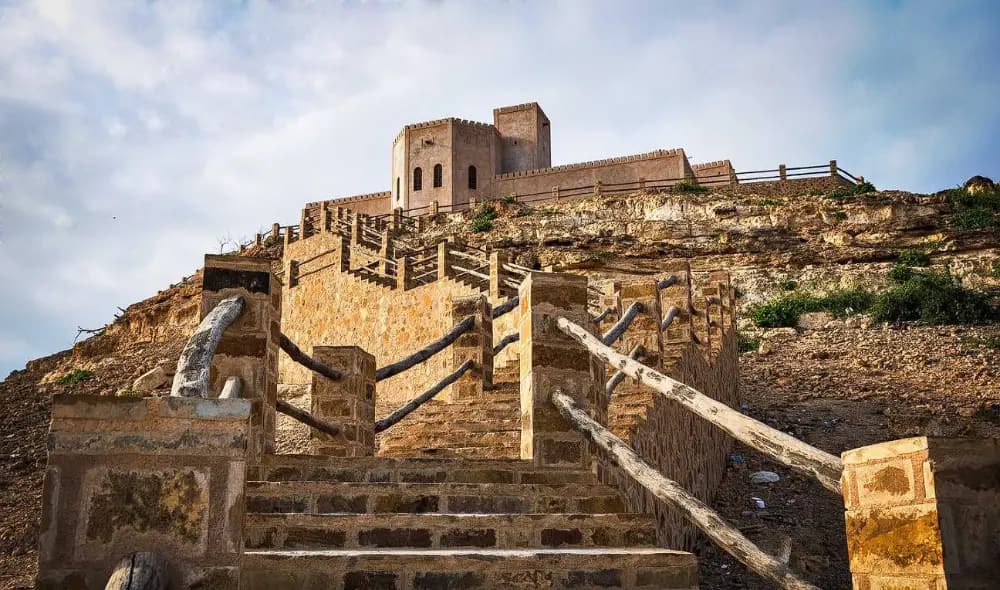
The castle's exterior immediately captures attention with its sturdy walls, corner towers, and traditional construction techniques. Built using local stone, mud brick, and timber, the structure demonstrates how Omani builders adapted architecture to the climate and available materials of the region. Its simple yet elegant appearance reflects the practical nature of traditional Omani design.
Inside the castle, visitors can explore a variety of rooms that have been carefully preserved and furnished to reflect their historical functions. Reception halls, family quarters, kitchens, storage areas, meeting rooms, and guest accommodations provide valuable insight into daily life during the nineteenth and early twentieth centuries. Walking through these rooms allows visitors to imagine how local leaders and their families lived, worked, and hosted guests.
One of the highlights of the castle is its collection of historical artifacts. Exhibits include traditional weapons, household items, agricultural tools, clothing, furniture, manuscripts, and decorative objects. These displays help bring the history of Dhofar to life and offer a deeper understanding of the customs, traditions, and social structures that shaped the region.
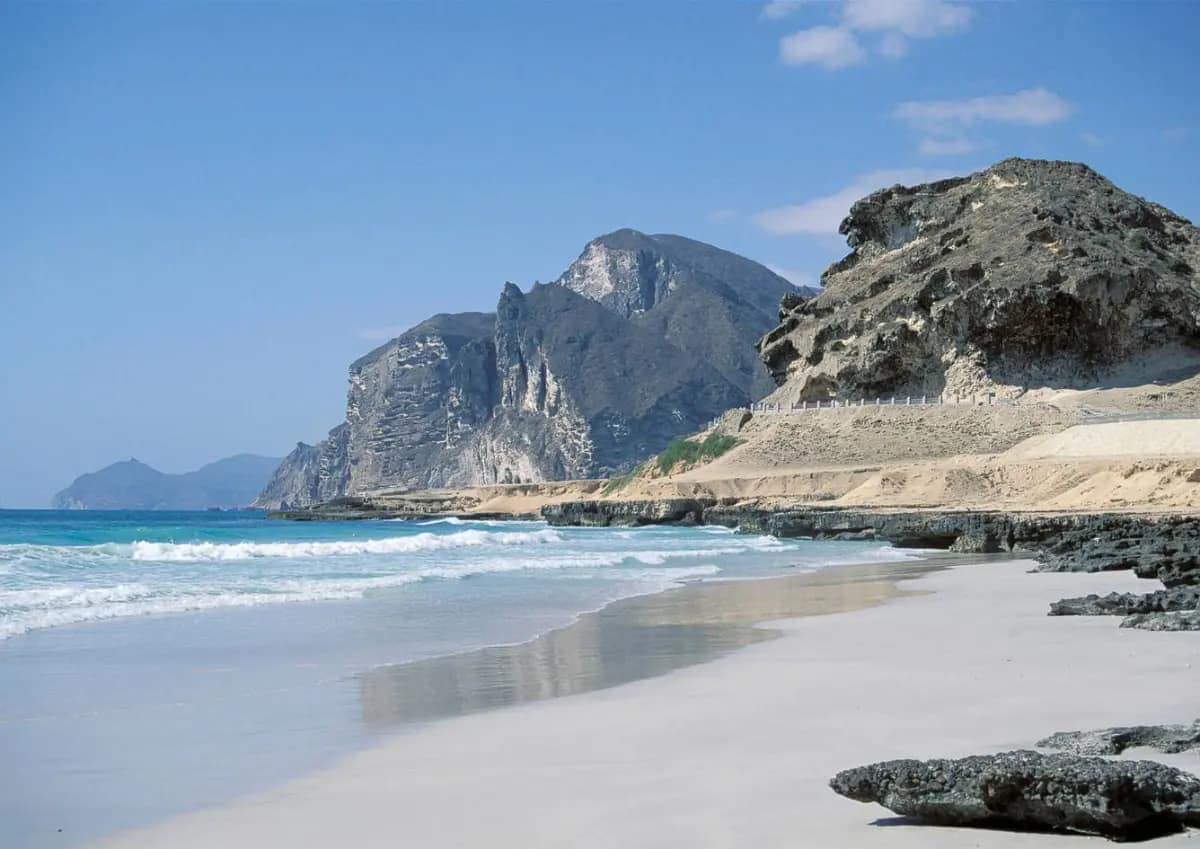
The watchtowers are among the most popular features of Taqah Castle. Climbing to the upper levels rewards visitors with panoramic views of Taqah town, the Arabian Sea, surrounding mountains, and nearby agricultural areas. These elevated positions once served defensive purposes, allowing guards to monitor activity around the settlement and coastline.
The castle also provides valuable insight into the history of the Dhofar region. Informational displays explain the role of local tribes, governance systems, trade routes, fishing traditions, and the economic importance of the coastal settlements. Through these exhibits, visitors gain a broader appreciation of the region's development and cultural significance.
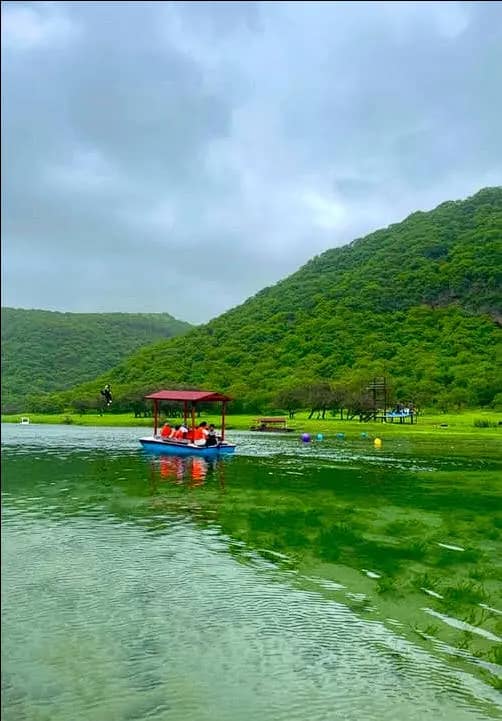
Photography enthusiasts will find numerous opportunities throughout the castle. Traditional architecture, wooden doors, decorative interiors, historical artifacts, and scenic views from the towers create a variety of interesting subjects. During the Khareef season, the surrounding landscapes become greener, adding further beauty to the setting.
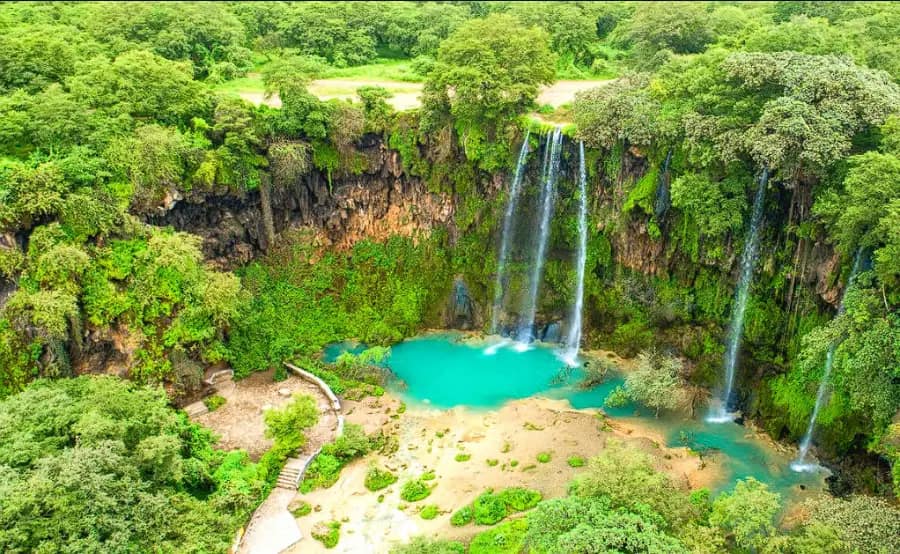
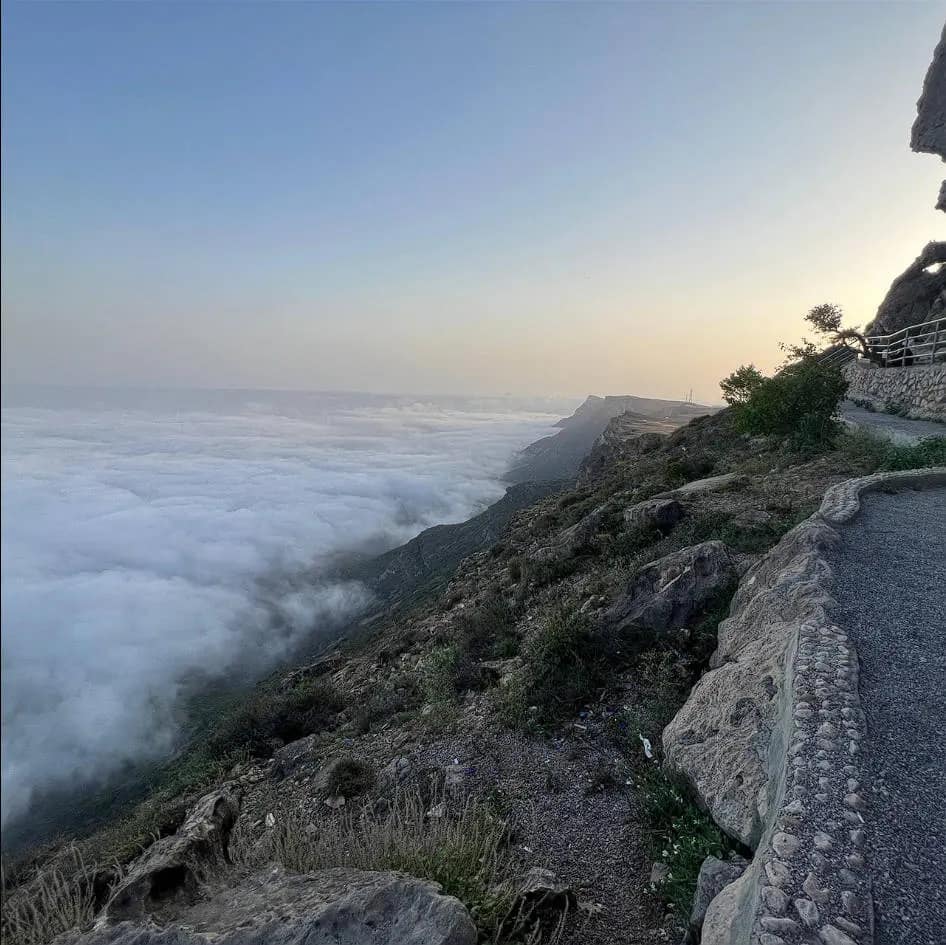
The location of Taqah Castle makes it an excellent stop while exploring eastern Dhofar. Many visitors combine a visit with nearby attractions such as Wadi Darbat, Khor Rori, Sumhuram Archaeological Park, Mirbat, and Jabal Samhan Viewpoint. Together, these destinations provide a comprehensive experience of the region's natural beauty and historical heritage.
Families, history enthusiasts, students, and cultural travelers all enjoy visiting the castle. Its manageable size allows visitors to explore comfortably without requiring extensive walking, while the educational displays make it an engaging destination for all age groups.
The best time to visit is during the cooler months from October to April or during the Khareef season from June to September. During Khareef, the surrounding hills and landscapes become lush and green, creating a particularly scenic backdrop for the historic fortress.
A visit to Taqah Castle offers a journey into Oman’s past, allowing travelers to experience traditional architecture, local culture, and regional history in an authentic setting. Its combination of historical significance, preserved interiors, and beautiful location makes it one of the most rewarding cultural attractions in the Dhofar Governorate.
Highlights
What stands out
Getting there
How to Go
Drive east from Salalah along Route 49 toward Taqah. The castle is located in the center of Taqah town and can be reached in approximately 30 minutes by car from Salalah.
Before you go
Practical Info
Seasonality
Best Time to Visit
October to April and June to September
On the ground
Travel Tips
- Visit during the morning for cooler temperatures
- Allow extra time to explore nearby attractions
- Bring a camera for tower views and architecture photography
- Visit during Khareef for greener surroundings
- Read the informational displays for historical context
- Wear comfortable walking shoes
- Combine your visit with Wadi Darbat and Khor Rori
FAQs
Common questions
Taqah Castle was built during the nineteenth century and served as the residence of local governors and tribal leaders.
It is famous for its traditional architecture, preserved interiors, historical exhibits, and insight into Omani heritage.
The castle is approximately 30 kilometers east of Salalah and can be reached in around 30 minutes by car.
Yes, visitors can access the watchtowers and enjoy panoramic views of the surrounding area.
Photography is generally permitted throughout most areas of the castle.
Most visitors spend between one and two hours exploring the site.
Yes, it is a family-friendly attraction with educational exhibits and historical displays.
Popular nearby attractions include Wadi Darbat, Khor Rori, Sumhuram Archaeological Park, Mirbat, and Jabal Samhan Viewpoint.