Overview
Why visit Sultan Qaboos Grand Mosque
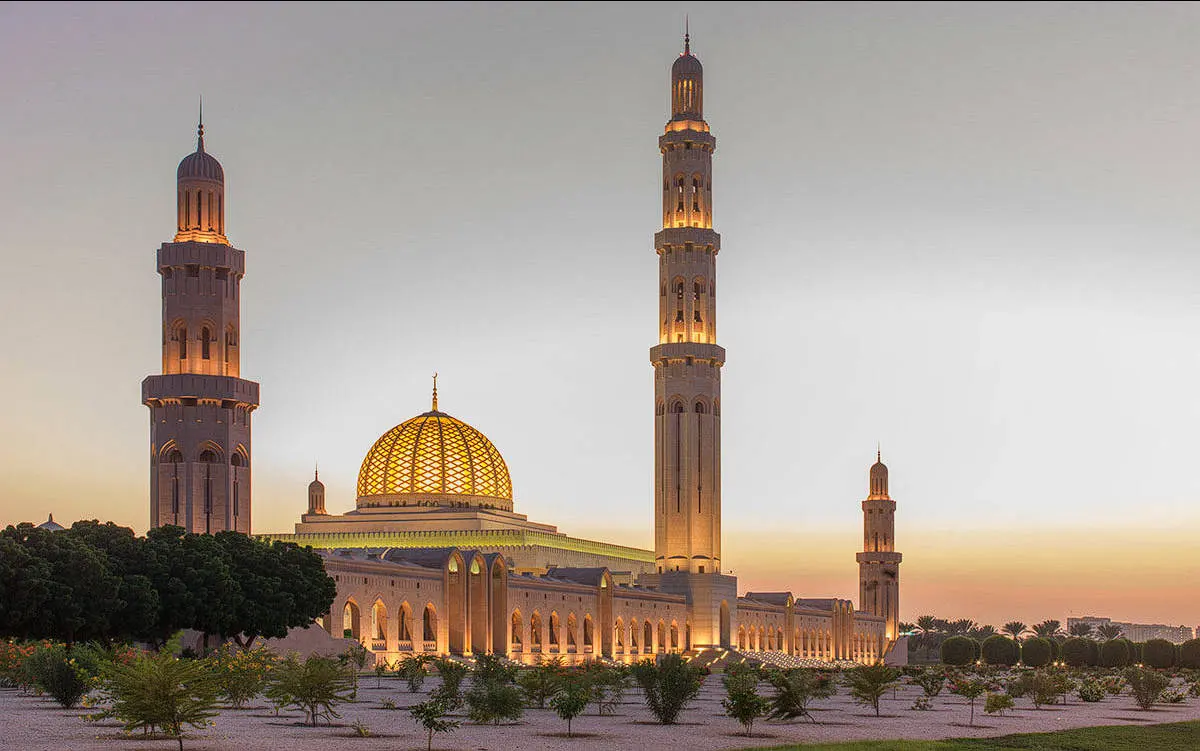
Sultan Qaboos Grand Mosque stands as one of the most iconic landmarks in Oman and a symbol of the country's cultural identity, architectural excellence, and religious heritage. Located in the Bawshar district of Muscat, the mosque was commissioned by the late Sultan Qaboos bin Said and officially opened in 2001. Since then, it has become one of the most visited attractions in the Sultanate and an essential destination for travelers exploring the capital.
Built as a gift from Sultan Qaboos to the people of Oman, the mosque reflects the nation's commitment to preserving Islamic traditions while embracing modern craftsmanship and engineering. The project brought together artisans, architects, and craftsmen from around the world, resulting in a masterpiece that combines traditional Islamic design with exceptional attention to detail.
The mosque complex covers a vast area and immediately impresses visitors with its elegant sandstone architecture, expansive courtyards, manicured gardens, and harmonious proportions. The main prayer hall is the centerpiece of the complex and represents one of the most beautiful interior spaces in the Middle East.
One of the mosque's most famous features is its enormous handwoven carpet. Produced by hundreds of artisans over several years, the carpet was once recognized as the largest handmade carpet in the world. Its intricate patterns, vibrant colors, and remarkable craftsmanship continue to amaze visitors entering the prayer hall.
Suspended above the main prayer area is a magnificent crystal chandelier that serves as another highlight of the mosque. The chandelier's impressive size and elegant design complement the architectural grandeur of the interior. Combined with natural light filtering through stained glass windows and decorative arches, the result is a breathtaking atmosphere of beauty and serenity.
The mosque's architecture showcases traditional Islamic design elements, including domes, arches, geometric patterns, calligraphy, and decorative carvings. Every section of the building demonstrates exceptional craftsmanship, from the marble floors and carved woodwork to the intricate mosaics and ornamental details. Visitors often spend considerable time simply admiring the artistry displayed throughout the complex.
The central dome above the prayer hall is particularly impressive. Rising high above the interior, it creates a sense of openness and grandeur while enhancing the acoustics of the space. The dome's decorative features reflect centuries of Islamic architectural traditions adapted into a contemporary masterpiece.
Outside, beautifully landscaped gardens and pathways surround the mosque. Palm trees, fountains, and carefully maintained green spaces create a peaceful environment that encourages reflection and relaxation. The exterior architecture is equally photogenic, with the mosque's minarets and domes standing prominently against the backdrop of Muscat's mountains.
Unlike many religious sites, Sultan Qaboos Grand Mosque welcomes non-Muslim visitors during designated visiting hours. This openness allows travelers from around the world to learn about Omani culture, Islamic traditions, and the significance of the mosque. Informational displays and volunteer guides often help visitors better understand the architecture, history, and religious practices associated with the site.
Photography enthusiasts consider the mosque one of the most rewarding locations in Muscat. The elegant architecture, detailed interiors, reflective pools, and landscaped gardens provide countless opportunities for stunning photographs. Early morning and late afternoon lighting are particularly favorable for capturing the mosque's beauty.
The mosque is suitable for visitors of all ages and backgrounds. Families, architecture enthusiasts, photographers, cultural travelers, and those interested in religious heritage all find the experience enriching. Its accessibility and central location make it one of the easiest major attractions to include in a Muscat itinerary.
The best time to visit is between October and April when temperatures are cooler and outdoor exploration is more comfortable. Morning visits are especially recommended, offering pleasant weather and access during visitor hours before larger crowds arrive.
A visit to Sultan Qaboos Grand Mosque is more than a sightseeing experience. It is an opportunity to appreciate the artistic, spiritual, and cultural achievements of modern Oman. Combining architectural magnificence, welcoming hospitality, and profound cultural significance, the mosque remains one of the most remarkable landmarks in the Arabian Peninsula.
Highlights
What stands out
Getting there
How to Go
The mosque is located in the Bawshar district of Muscat and is easily accessible by private car, taxi, ride-hailing services, or organized city tours. It is approximately 15 minutes from Muscat International Airport.
Before you go
Practical Info
Seasonality
Best Time to Visit
October to April
On the ground
Travel Tips
- Visit during the morning visitor hours
- Dress modestly and respectfully
- Bring a scarf if required for mosque entry
- Allow extra time to explore the gardens
- Visit early for fewer crowds and better photography
- Respect prayer areas and worshippers
- Check visitor hours before traveling
FAQs
Common questions
Yes, non-Muslim visitors are welcome during designated visiting hours while following the mosque's dress and conduct guidelines.
No, entry to the mosque is free.
Visitors should wear modest clothing, and women must cover their hair before entering the mosque.
Most visitors spend between one and two hours exploring the mosque and its grounds.
It is famous for its grand architecture, handmade carpet, crystal chandelier, and cultural significance.
The mosque is located in the Bawshar district of Muscat, Oman.
Yes, photography is generally permitted in designated areas.
Morning visitor hours are typically the best time for sightseeing and photography.