Overview
Why visit Ras Al Khaimah National Museum
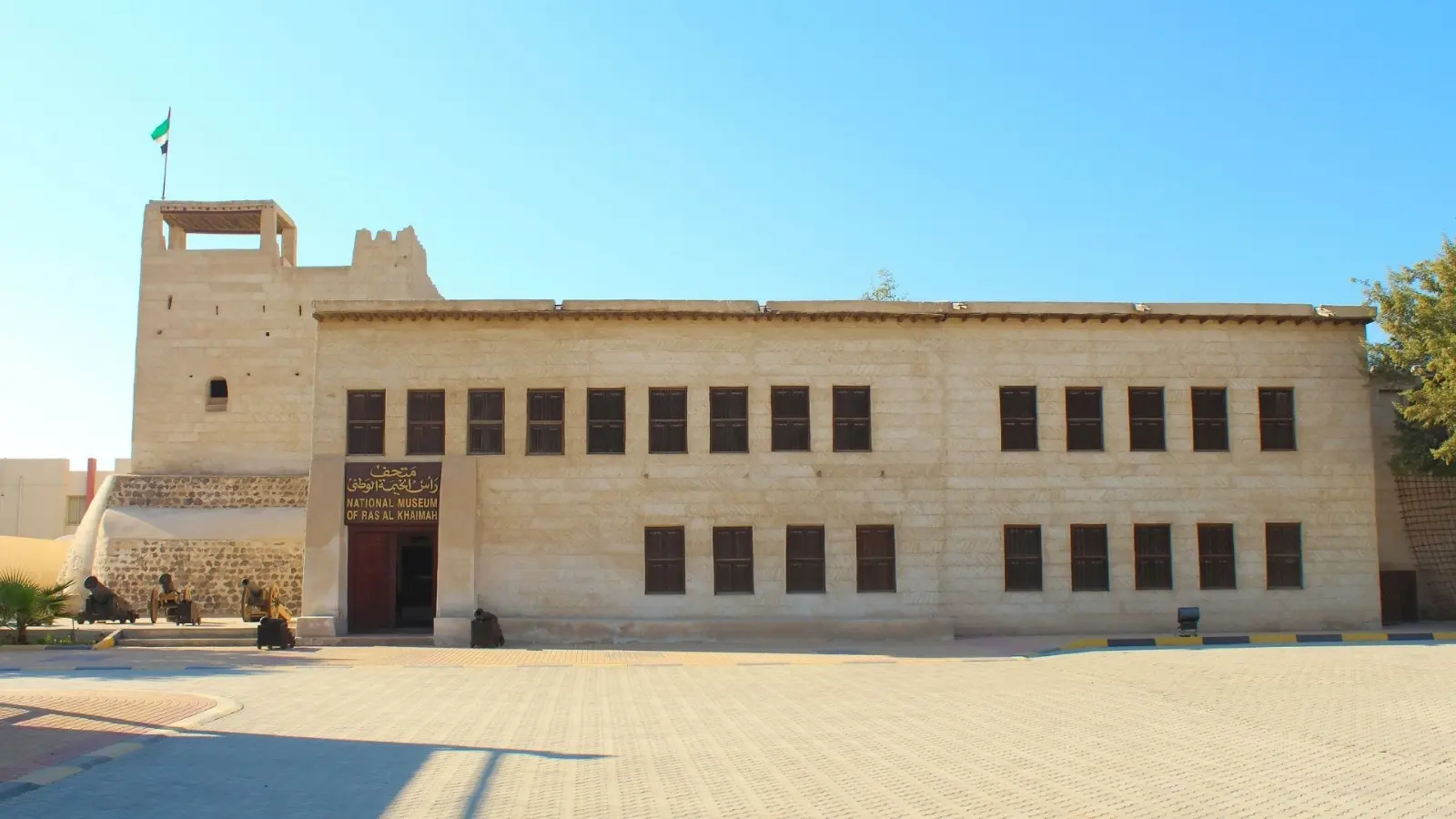
Ras Al Khaimah National Museum is one of the best places to begin a cultural visit to the emirate. Located in the Old Town on Al Hisn Road, the museum is housed inside a historic fortified building that once played an important role in the political and defensive life of Ras Al Khaimah. Today, it introduces visitors to the emirate’s archaeology, maritime history, traditional lifestyle, ruling family heritage, and long connections with trade routes across the Gulf and beyond. For travelers who want to understand Ras Al Khaimah beyond its beaches and mountain adventures, this museum gives useful context in a compact and atmospheric setting.
The building itself is a major part of the experience. The museum occupies a traditional fort complex with coral-stone architecture, towers, wooden doors, courtyards, shaded rooms, and thick walls designed for the local climate. Before becoming a museum, the fort served different roles over time, including as a residence for the ruling family, a government building, a police station, and a prison. It was later converted into the National Museum, opening in the 1980s. This layered use makes the museum feel more authentic than a modern exhibition hall. Visitors are not only looking at heritage objects; they are walking through a building that is itself part of Ras Al Khaimah’s history.
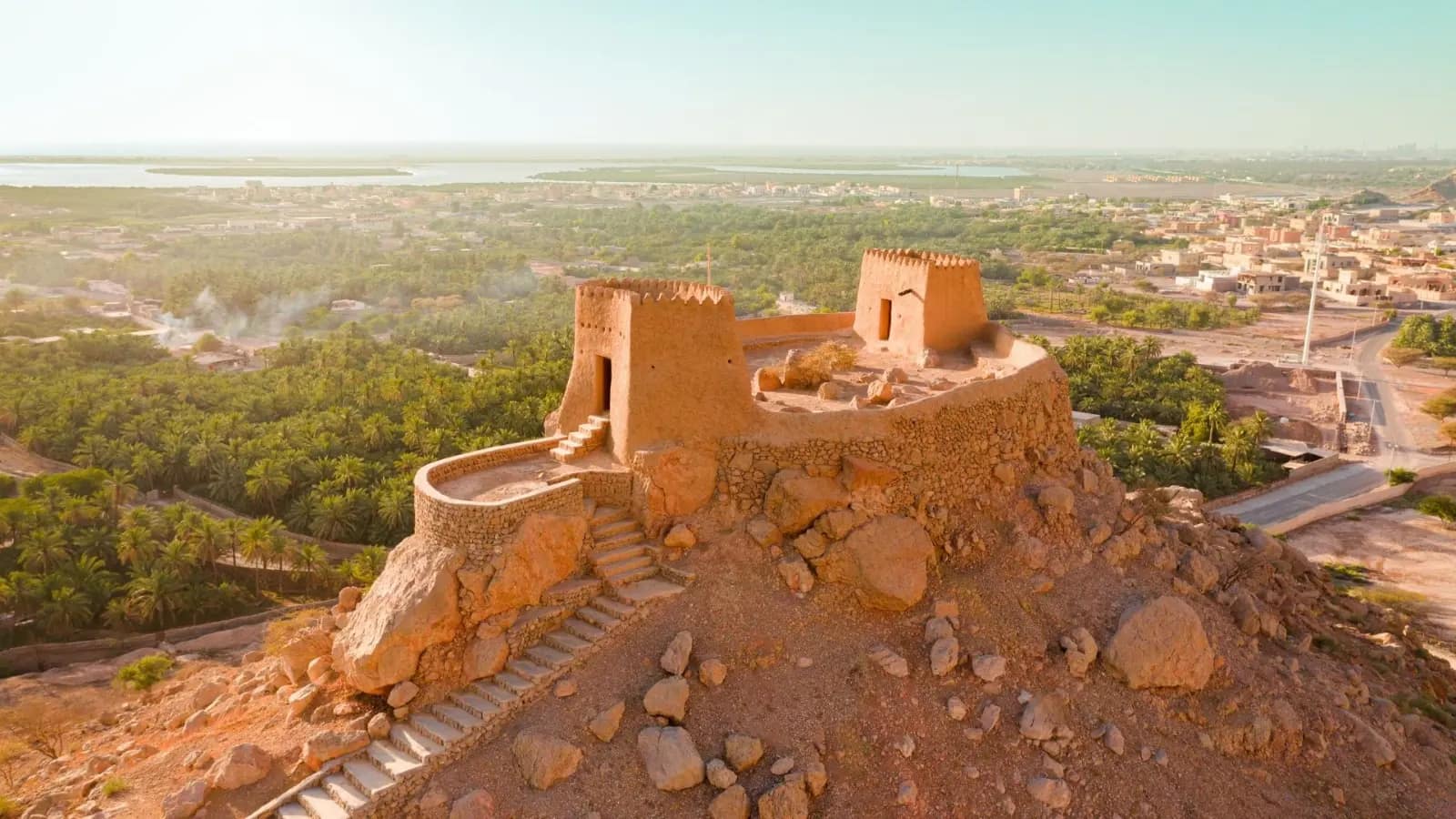
Ras Al Khaimah has one of the deepest histories in the United Arab Emirates, with evidence of human activity across thousands of years. The museum reflects this long past through archaeological displays that help explain the emirate’s role as a settlement area, trading point, coastal community, and mountain-linked region. Exhibits include objects connected to ancient settlements, ceramics, tools, traditional weapons, manuscripts, documents, and items linked to local life. The displays are useful for travelers who may later visit Dhayah Fort, Al Jazirah Al Hamra, Shimal, Julfar-related sites, or the mountain landscapes around Jebel Jais, because the museum gives background to the places they will see outdoors.
One of the museum’s strengths is that it connects history with everyday life. Visitors can learn about pearl diving, fishing, date farming, traditional architecture, local crafts, and the ways people adapted to the coastal, desert, and mountain environment. These subjects are especially important in Ras Al Khaimah because the emirate’s identity was shaped by more than one landscape. Coastal communities depended on fishing, pearling, boat building, and trade, while inland and mountain areas were linked to farming, water sources, and defensive positions. The museum helps travelers understand how these worlds connected before modern roads, resorts, and high-rise development changed the region.
The ethnographic galleries are particularly useful for families and first-time visitors to the UAE. They present local customs, household items, traditional occupations, and community life in a way that is easy to understand without needing specialist knowledge. Visitors can see how people lived, worked, traded, and protected their communities in earlier generations. This makes the museum a good introduction before visiting Al Jazirah Al Hamra, where preserved coral-stone houses and old lanes show a real former pearling village, or Dhayah Fort, where the defensive landscape can be understood more clearly after learning about local history.
The museum also includes sections connected to the Qawasim ruling family and Ras Al Khaimah’s political history. Manuscripts, documents, traditional weaponry, and historic objects help explain the emirate’s role in regional affairs and maritime activity. Ras Al Khaimah’s position on the Gulf made it important for trade, seafaring, and contact with other parts of Arabia, Persia, India, and East Africa. This wider context is valuable for travelers who may otherwise see the emirate only as a modern resort destination. The museum shows that Ras Al Khaimah has a long, complex identity rooted in settlement, trade, defense, and cultural exchange.
The visitor experience is calm and manageable. Ras Al Khaimah National Museum is not an overwhelming museum that requires a full day. Most travelers can explore it comfortably in one to two hours, depending on interest level and whether they read the displays in detail. The rooms and courtyards make the visit pleasant, especially in the cooler months. Because the museum is indoors and partly shaded, it can also be a useful cultural stop during warmer weather, although visitors should still plan around midday heat when walking outside in the Old Town.
Photography is another reason to visit. The fort architecture, courtyard spaces, wooden doors, traditional walls, and heritage displays create attractive scenes for travel photos. The museum is especially good for visitors who enjoy historic buildings rather than only exhibition cases. The contrast between the old fort and the modern city around it also gives a strong sense of Ras Al Khaimah’s changing identity. Travelers should follow any photography rules inside specific galleries and avoid flash where prohibited.
Ras Al Khaimah National Museum is suitable for many types of visitors. History lovers will appreciate the archaeological and heritage collections, families can use it as an educational stop, and culture-focused travelers can place the emirate’s forts, villages, mountains, and coast into a clearer story. It is also useful for travelers with limited time because it provides a broad overview of Ras Al Khaimah in one location. For visitors staying in Al Hamra Village, Al Marjan Island, or beach resorts, the museum offers a worthwhile change of pace from resort life.
The museum is easy to combine with other attractions in a Ras Al Khaimah itinerary. Dhayah Fort, Al Jazirah Al Hamra, the Old Town area, local souks, the creek, and coastal neighborhoods can all fit into a heritage-focused day. Visitors with a car can also combine the museum with Jebel Jais for a contrast between cultural history and mountain scenery. If visiting from Dubai or Sharjah, the museum can be included as part of a full-day Ras Al Khaimah road trip, especially for travelers who want more than just beaches and viewpoints.
Practical planning is simple, but visitors should check current opening times before going because schedules may change during holidays, Ramadan, Eid, or special events. The museum is generally affordable and does not usually require advance booking for regular visits. It is best reached by private car, taxi, ride-hailing service, or guided tour. Parking and drop-off options may vary around the Old Town streets, so allow a little extra time if visiting during busy periods. Comfortable clothing and shoes are recommended because the museum visit involves walking through rooms, courtyards, and historic surfaces.
The best time to visit Ras Al Khaimah National Museum is during the cooler months from November to March, especially if combining it with Old Town walking or nearby outdoor heritage sites. However, because much of the visit is indoors or shaded, it can also work during warmer months as a morning or afternoon cultural stop. For a well-rounded trip, visit the museum early in your stay, then explore the emirate’s forts, old villages, mountain areas, and coastline with a better understanding of what shaped them. Ras Al Khaimah National Museum is not just a place to see objects; it is a gateway into the story of one of the UAE’s most historically rich emirates.
Highlights
What stands out
Getting there
How to Go
Ras Al Khaimah National Museum is located on Al Hisn Road in the Old Town area of Ras Al Khaimah. The easiest way to reach it is by private car, rental car, taxi, ride-hailing service where available, hotel transfer, or guided tour. From Al Hamra Village or Al Marjan Island, the drive usually takes around 25 to 35 minutes depending on traffic and the exact starting point. From Dubai, the journey commonly takes around 1 to 1.5 hours by road. Public transport is limited for flexible sightseeing, so a car or taxi is the most practical option.
Before you go
Practical Info
Seasonality
Best Time to Visit
November to March is the best season to visit Ras Al Khaimah National Museum if you plan to combine it with outdoor sightseeing in the Old Town or nearby heritage sites. The museum can also be visited year-round as an indoor cultural stop, especially in the morning or late afternoon during warmer months.
On the ground
Travel Tips
- Visit the museum early in your Ras Al Khaimah trip to better understand the emirate’s heritage sites.
- Check the latest opening hours before going, especially on Mondays, Fridays, Ramadan, and Eid holidays.
- Combine the museum with Old Town, local souks, or a heritage-focused Ras Al Khaimah itinerary.
- Allow time to appreciate the fort architecture, not only the display rooms.
- Wear comfortable shoes because the visit includes walking through historic spaces and courtyards.
- Visit in the morning or late afternoon if combining it with outdoor sightseeing.
- Pair the museum with Dhayah Fort or Al Jazirah Al Hamra for a deeper cultural experience.
- Follow posted photography rules inside galleries and avoid touching fragile exhibits.
FAQs
Common questions
Ras Al Khaimah National Museum is located on Al Hisn Road in the Old Town area of Ras Al Khaimah, United Arab Emirates.
The museum is known for its historic fort setting and collections covering archaeology, traditional life, pearl diving, trade, weapons, manuscripts, and local heritage.
Most visitors spend around 1 to 2 hours exploring the museum, depending on interest level and how much time they spend reading the displays.
Yes, the museum is suitable for families because it offers a manageable introduction to Ras Al Khaimah’s history, culture, archaeology, and traditional lifestyle.
Advance booking is not usually required for regular visits, but visitors should check current ticket and access information before going.
Visitors can see archaeological artefacts, ethnographic displays, traditional weapons, manuscripts, ceramics, pearling exhibits, farming displays, and historic fort architecture.
The museum can be visited year-round, but November to March is best if you plan to combine it with outdoor heritage sites and Old Town walking.
Yes, the museum combines well with Dhayah Fort, Al Jazirah Al Hamra, Old Town Ras Al Khaimah, Al Hamra Village, and Jebel Jais.