Overview
Why visit Dhayah Fort
Dhayah Fort is one of the most memorable heritage sites in Ras Al Khaimah and a landmark that gives visitors a clear sense of the emirate’s history, geography, and traditional way of life. Set on a rocky hill in the northern part of Ras Al Khaimah, the fort overlooks a striking landscape of palm gardens, dry mountains, village areas, and distant sea views. It is not a large palace-style monument, but its position, setting, and atmosphere make it one of the most powerful cultural stops in the emirate. For travelers exploring Ras Al Khaimah beyond beaches and resorts, Dhayah Fort is an essential place to visit.
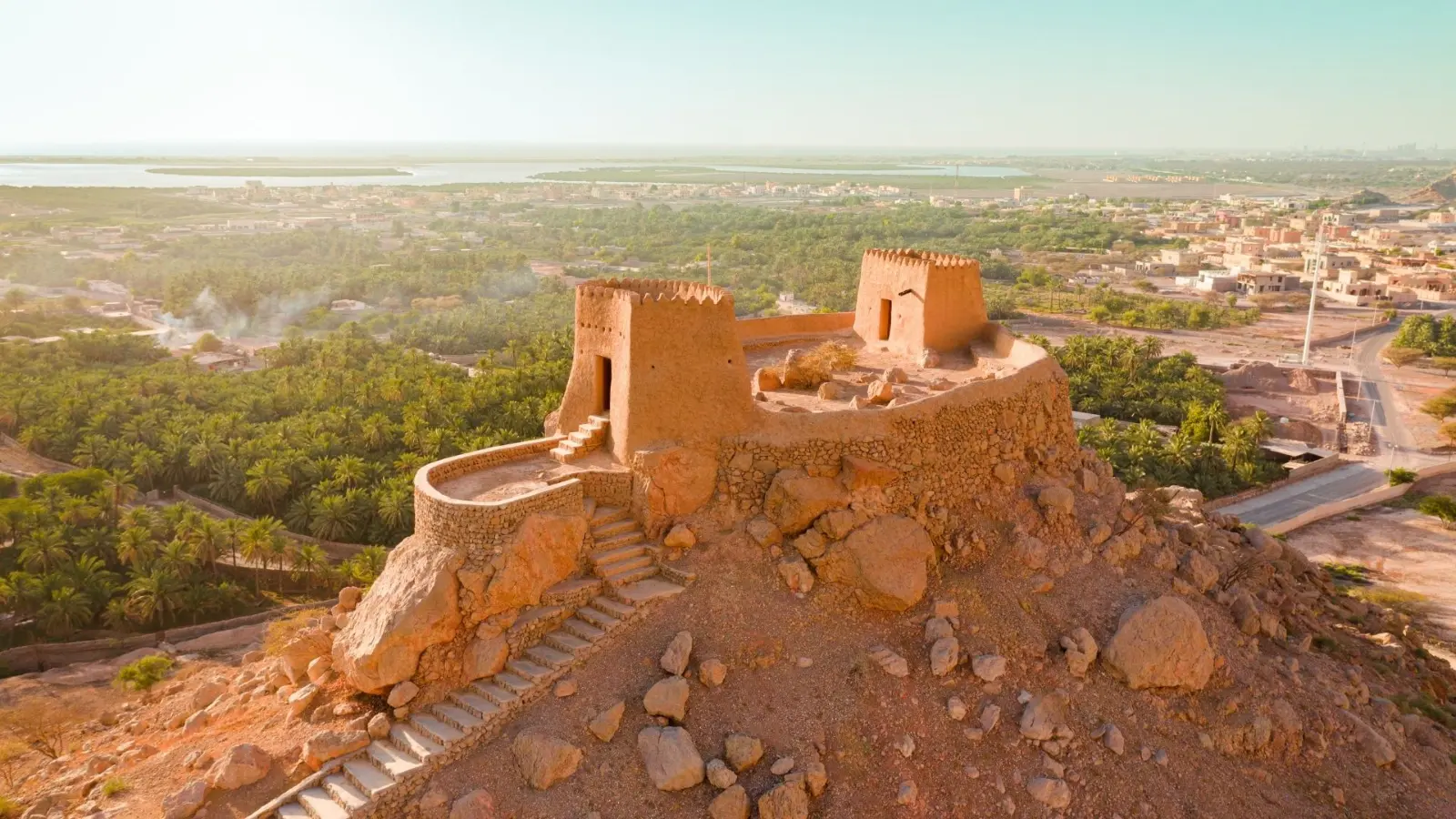
The fort is widely known as the only hilltop fort still standing in the United Arab Emirates. Its elevated position was not chosen for beauty alone. From the top, defenders could watch the surrounding oasis, coastal approaches, mountain routes, and nearby settlements. This makes the site especially interesting because visitors can immediately understand why the hill mattered. The views are not just scenic; they explain the purpose of the fort. Ras Al Khaimah has long been shaped by trade, farming, pearling, fishing, mountain communities, and strategic coastal routes, and Dhayah Fort reflects that layered past.
The climb to the fort is one of the main parts of the experience. Visitors walk up a series of stone steps from the lower area to the hilltop structure. The walk is short, but it can feel demanding in hot weather because the route is exposed and uphill. As you climb, the view opens gradually, with date palms below, rugged mountains behind, and the coastline visible in the distance on clear days. This slow approach adds to the sense of arrival. By the time you reach the top, the fort feels connected to the entire landscape around it.
Dhayah Fort itself is a compact, castle-like structure with simple defensive architecture. Its walls, towers, and hilltop setting show how local materials and practical design were used to protect the surrounding area. The fort has been restored, allowing visitors to walk around and appreciate its shape, location, and historic role without needing a long guided tour. It is a place where the setting does much of the storytelling. Even travelers who are not deeply interested in military history often enjoy Dhayah Fort because the visit is easy to understand, visually rewarding, and very different from modern UAE attractions.
The surrounding Dhayah area is also important. It is known for its oasis landscape, fertile date gardens, nearby archaeological importance, and long human history. The Cultural Landscape of Dhayah is included on the UNESCO World Heritage Tentative List, highlighting the wider value of the fort, the settlement environment, and the surrounding protected archaeological zones. This gives the site additional significance for culture-focused travelers. It is not only a viewpoint, but part of a broader heritage landscape that connects prehistoric, historic, agricultural, and defensive elements in northern Ras Al Khaimah.
One of the best reasons to visit Dhayah Fort is photography. From the top, visitors can capture some of the most distinctive views in Ras Al Khaimah: green palm groves against dry mountains, old defensive walls against open sky, and the contrast between rural landscape and distant coastal development. Morning light is often clear and crisp, while late afternoon gives warmer tones and softer shadows. Sunset can be especially beautiful, but visitors should plan the descent carefully and avoid staying too late if visibility or opening access becomes uncertain.
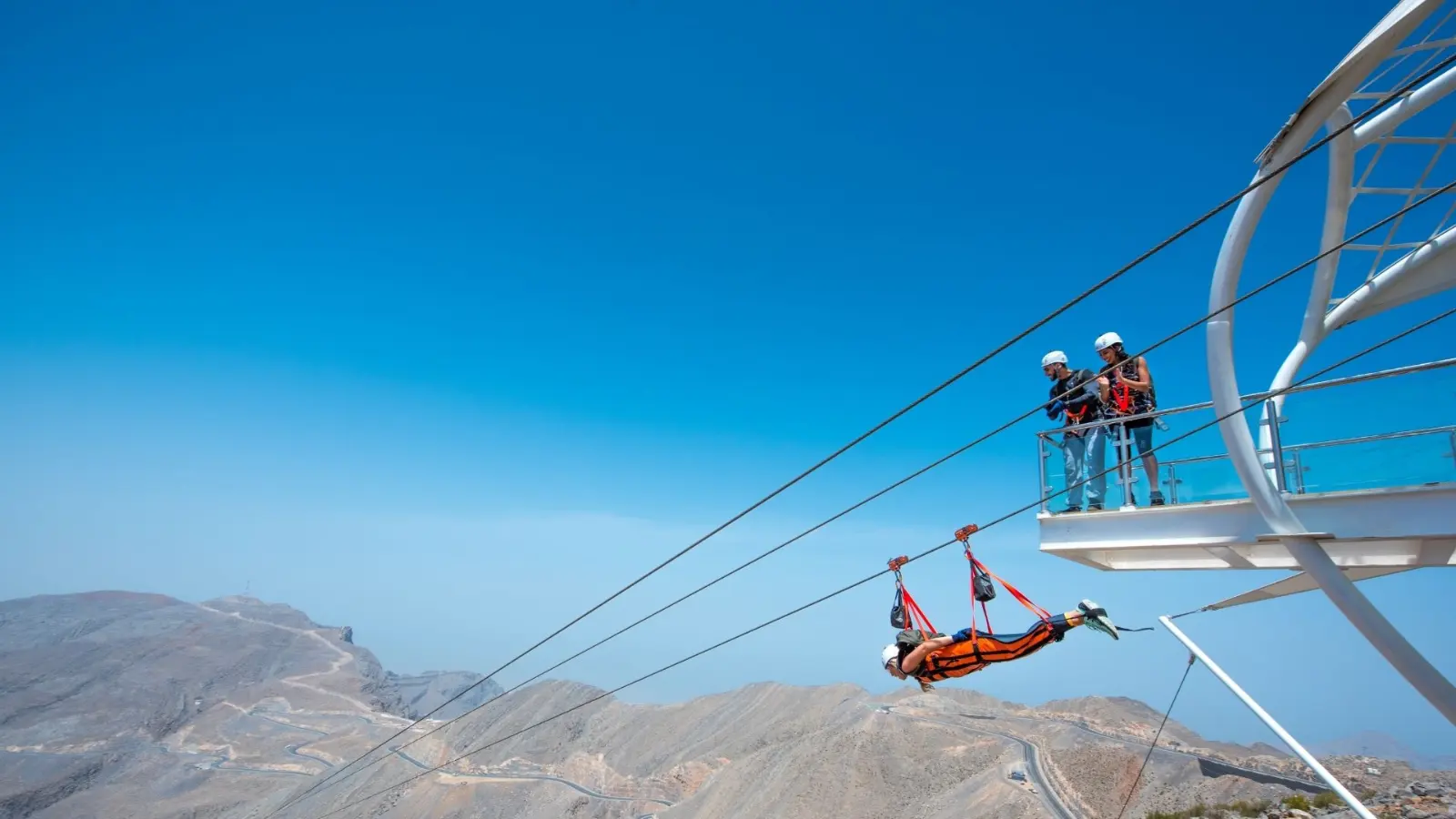
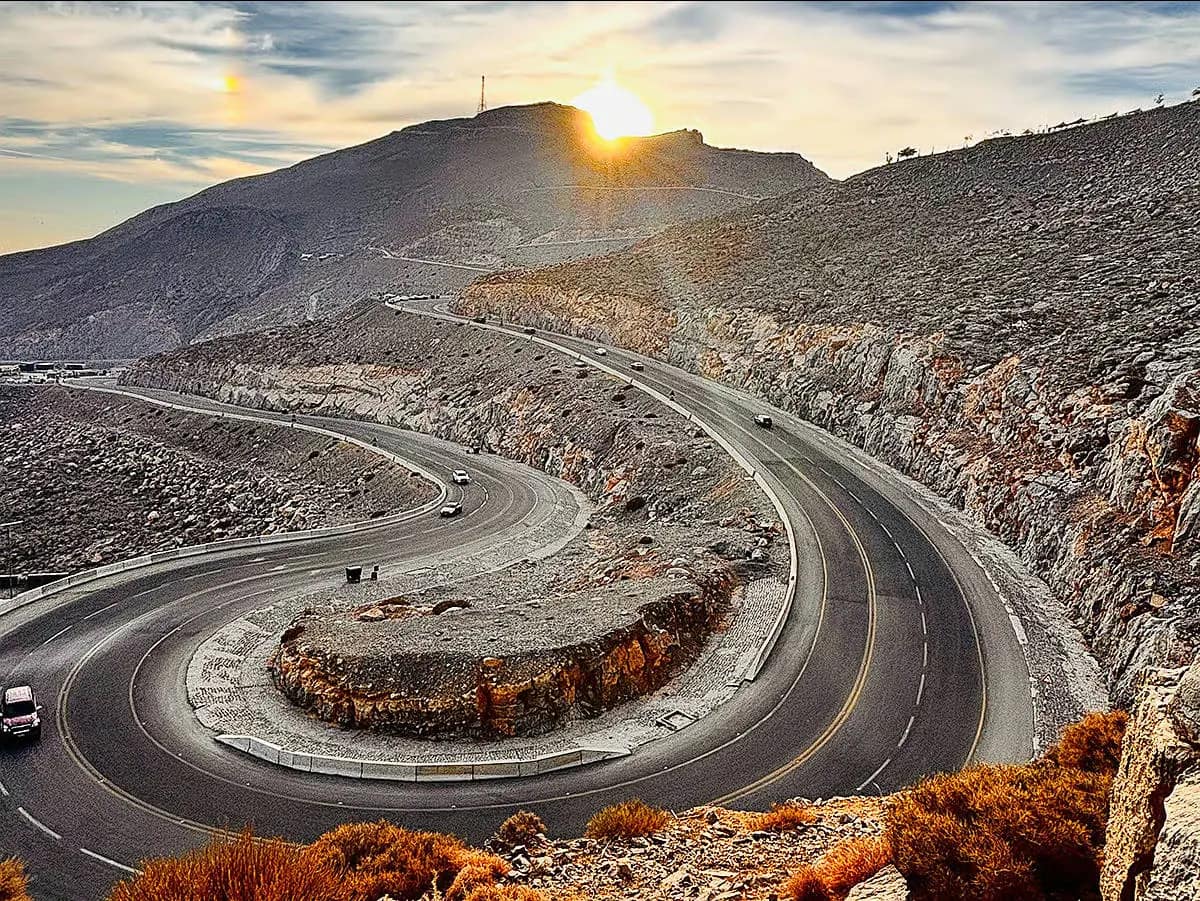
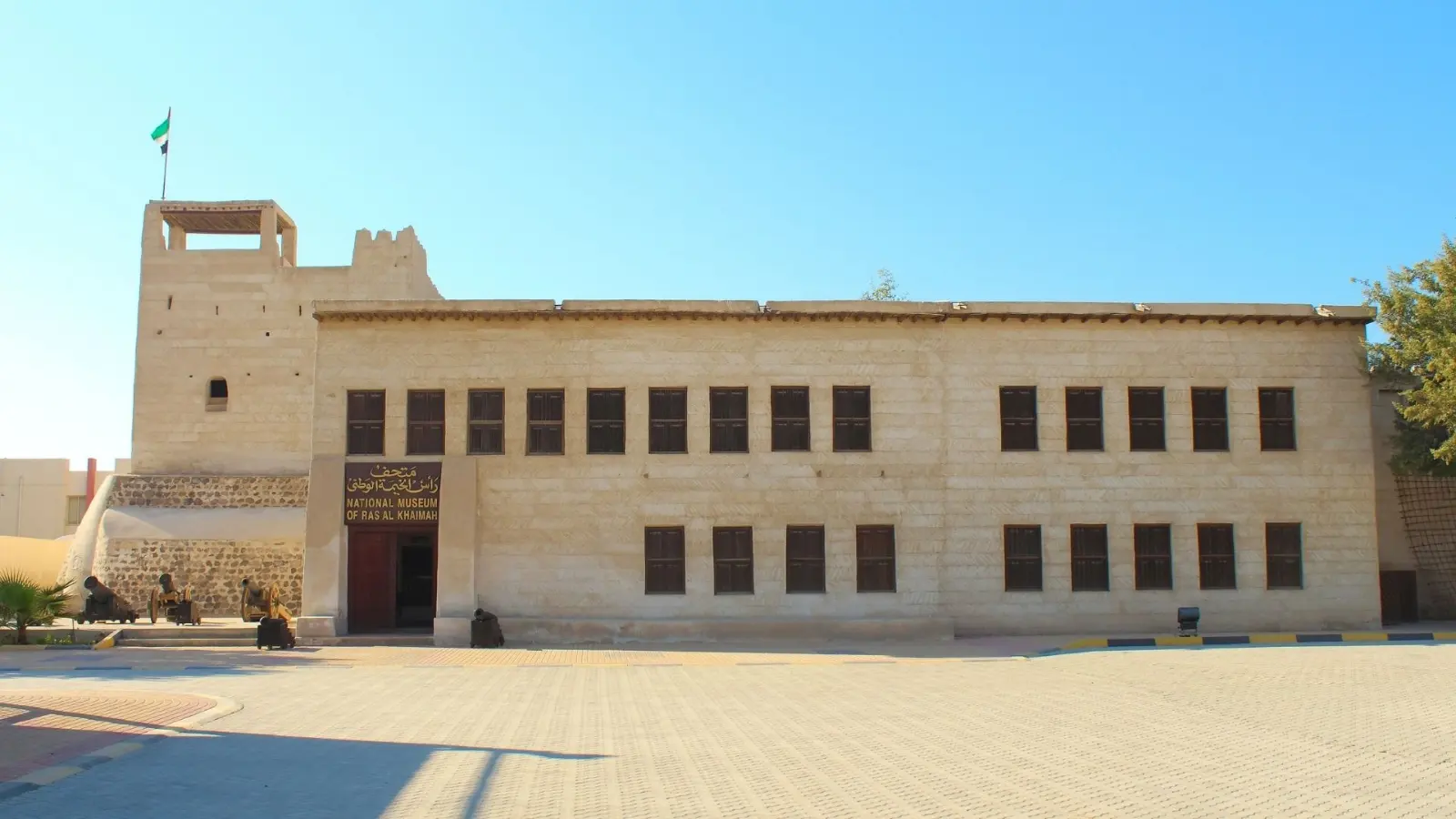
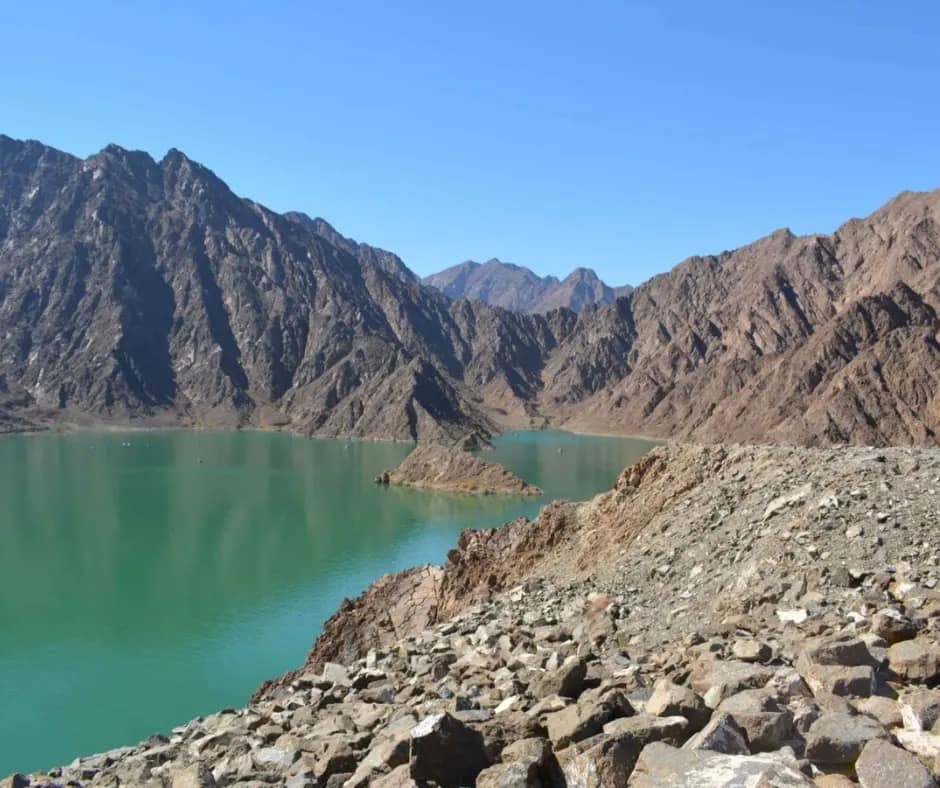
Dhayah Fort is also a good stop for families, couples, solo travelers, and history lovers. The visit does not usually take very long, making it easy to combine with other Ras Al Khaimah attractions in a half-day or full-day itinerary. It pairs well with Jebel Jais, Ras Al Khaimah National Museum, Al Jazirah Al Hamra, and coastal resort areas. For travelers staying in Dubai or Sharjah, Dhayah Fort can be included in a northern Emirates road trip, especially if the plan also includes Jebel Jais or other Ras Al Khaimah heritage sites.
The best time to visit is during the cooler months from November to March, when the climb is more comfortable and outdoor sightseeing is easier. In warmer months, early morning or late afternoon visits are strongly recommended. There is limited shade on the climb, so water, sun protection, and comfortable footwear are important. The steps can be tiring for some visitors, and the site may not be suitable for travelers who have difficulty with steep stairs or exposed uphill walking. However, for most active visitors, the climb is manageable and worth the effort.
Getting to Dhayah Fort is easiest by car. The site is located north of Ras Al Khaimah city, and the surrounding area is best explored with private transport, a rental car, hotel transfer, or guided tour. Public transport is limited for this type of attraction, and a car allows travelers to combine the fort with mountain viewpoints, villages, beaches, or other heritage landmarks. Parking is generally available near the lower access area, but visitors should follow local signage and avoid blocking roads or private areas.
Dhayah Fort stands out because it offers something quiet, authentic, and rooted in place. It is not an attraction built only for tourists; it is a restored historic site connected to the real landscape and identity of Ras Al Khaimah. The fort helps visitors understand why this emirate is more than a beach destination. It shows the importance of oasis life, mountain routes, defensive positions, and local settlement patterns. For anyone planning a well-rounded Ras Al Khaimah trip, Dhayah Fort is one of the best places to slow down, climb above the landscape, and see the emirate from a historic point of view.
Highlights
What stands out
Getting there
How to Go
Dhayah Fort is located in the Dhayah area north of Ras Al Khaimah city. The easiest way to reach it is by private car, rental car, taxi arrangement, hotel transfer, or guided tour. From central Ras Al Khaimah, the drive usually takes around 25 to 40 minutes depending on the starting point and traffic. From Dubai, it can be included in a longer Ras Al Khaimah day trip, usually taking around 1.5 to 2 hours by road. Public transport is limited, so visitors should plan transport in advance.
Before you go
Practical Info
Seasonality
Best Time to Visit
November to March is the best season to visit Dhayah Fort because the weather is cooler and the climb is more comfortable. In warmer months, visit early in the morning or late in the afternoon.
On the ground
Travel Tips
- Visit during the cooler months if possible, especially from November to March.
- Avoid climbing during the hottest part of the day in summer.
- Bring water even for a short visit because the walk is uphill and exposed.
- Wear comfortable walking shoes rather than sandals or slippery footwear.
- Take your time on the steps, especially with children or older travelers.
- Combine Dhayah Fort with Jebel Jais for a strong mountain-and-heritage itinerary.
- Visit before sunset if you want warm light, but leave enough time to walk down safely.
- Respect the heritage site by not climbing on fragile areas or leaving litter.
FAQs
Common questions
Dhayah Fort is located in the Dhayah area north of Ras Al Khaimah city in the United Arab Emirates.
Dhayah Fort is famous as the UAE’s only surviving hilltop fort and for its panoramic views over palm gardens, mountains, and the coast.
Dhayah Fort is part of the Cultural Landscape of Dhayah, which is included on the UNESCO World Heritage Tentative List.
Yes, visitors need to climb a set of steps to reach the hilltop fort, so comfortable shoes and water are recommended.
Most visitors spend around 45 minutes to 1.5 hours at Dhayah Fort, depending on the pace of the climb and time spent enjoying the views.
The best time to visit is from November to March, or early morning and late afternoon during warmer months.
Yes, Dhayah Fort can be suitable for families, but parents should take care on the steps and avoid visiting during extreme heat.
Yes, Dhayah Fort and Jebel Jais can be combined in one Ras Al Khaimah itinerary, especially with a private car or rental car.