Overview
Why visit Sheikh Zayed Grand Mosque
Sheikh Zayed Grand Mosque is the defining landmark of Abu Dhabi and one of the most memorable religious and architectural sites in the United Arab Emirates. Built as a place of worship, cultural understanding, and national identity, the mosque reflects the vision of the late Sheikh Zayed bin Sultan Al Nahyan, the founding father of the UAE. It stands slightly elevated on the edge of Abu Dhabi city, creating a striking first impression with its white marble surfaces, domes, minarets, reflective pools, and carefully balanced symmetry. For many visitors, this is not only one of the best places to visit in Abu Dhabi, but also one of the most beautiful mosque experiences in the world.
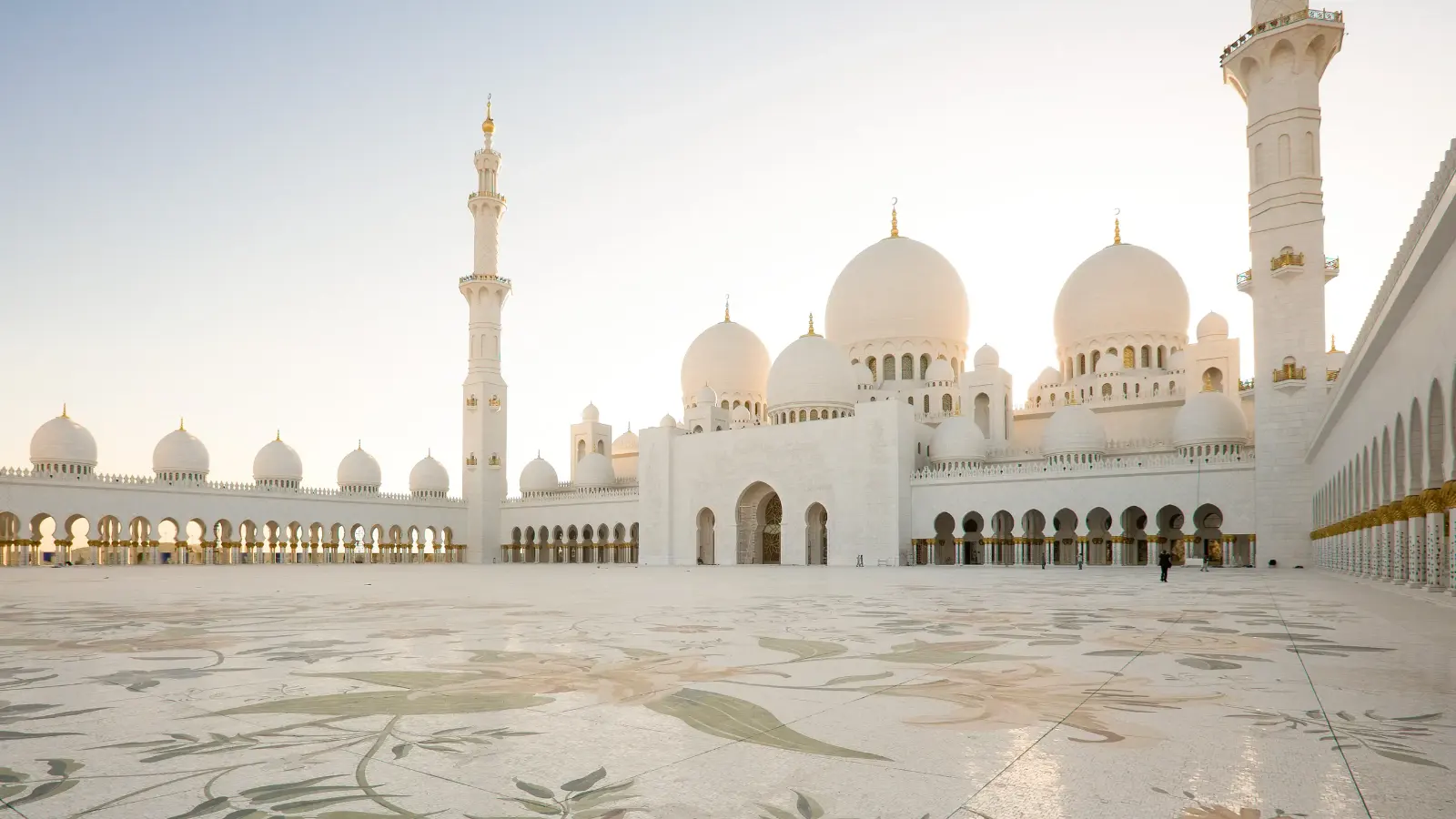
The first thing travelers notice is the scale. Sheikh Zayed Grand Mosque is one of the largest mosques in the world and can accommodate tens of thousands of worshippers. Its vast open spaces, bright courtyards, long arcades, and grand prayer halls make the visit feel both monumental and peaceful. The mosque features 82 domes, tall minarets, marble columns, intricate floral patterns, and design influences drawn from several Islamic architectural traditions. The use of white marble gives the entire complex a calm and luminous quality, especially during early morning, late afternoon, and sunset. The building changes character throughout the day, from brilliant white under the sun to soft gold in the evening and cool blue tones after dark.
The courtyard is one of the mosque’s most photographed areas. Its polished marble floor is decorated with large floral designs, creating a delicate contrast against the grand scale of the surrounding architecture. Visitors often pause here to admire the long lines of columns, the repeating arches, and the reflection of domes in the surrounding pools. Photography is one of the main reasons travelers include the mosque in their Abu Dhabi itinerary, but the experience is not only visual. The quiet movement of visitors, the sense of space, and the careful visitor route all help create an atmosphere of respect and calm. Even for travelers who are not religious, the mosque offers a meaningful look at Islamic design, Emirati values, and the role of hospitality in local culture.
Inside, the main prayer hall is equally impressive. The space is known for its enormous hand-knotted carpet, grand chandeliers, decorated columns, and elegant details that reward slow observation. The chandeliers combine traditional Islamic design with crystal and glass, adding light and warmth to the vast interior. The floral motifs throughout the mosque are especially distinctive, appearing on floors, walls, columns, and decorative panels. These details soften the grandeur and make the building feel more welcoming than overwhelming. Visitors should take time to look up, down, and around, because some of the mosque’s most beautiful elements are found in the small patterns as much as in the large architectural features.
Sheikh Zayed Grand Mosque is also one of Abu Dhabi’s most accessible cultural attractions for international travelers. Non-Muslim visitors are welcome outside prayer-restricted areas and times, and cultural tours are usually available to help guests understand the mosque’s design, history, and etiquette. These tours are useful for first-time visitors because they explain the meaning behind the architecture and the importance of the mosque as a living place of worship. The mosque is still active, so visitors are expected to behave respectfully, speak quietly, follow the visitor route, and dress modestly. Women are required to cover their hair, arms, and legs, while men should avoid shorts and sleeveless tops. Clothing rules are taken seriously, so it is better to arrive prepared rather than risk being refused entry.
The best time to visit depends on the experience you want. Morning visits are usually calmer and better for bright, clean photos of the white marble. Late afternoon is ideal for travelers who want softer light and the chance to see the mosque transition toward evening. Sunset is especially popular because the marble glows warmly before the complex is illuminated. Night visits can also be beautiful, with cooler temperatures and dramatic lighting that gives the mosque a different mood. During Ramadan, Eid periods, Fridays, and prayer times, visitor access and timings may change, so travelers should always check the official schedule before arriving. Booking or registering online in advance is recommended because visitor access is managed through an official entry process.
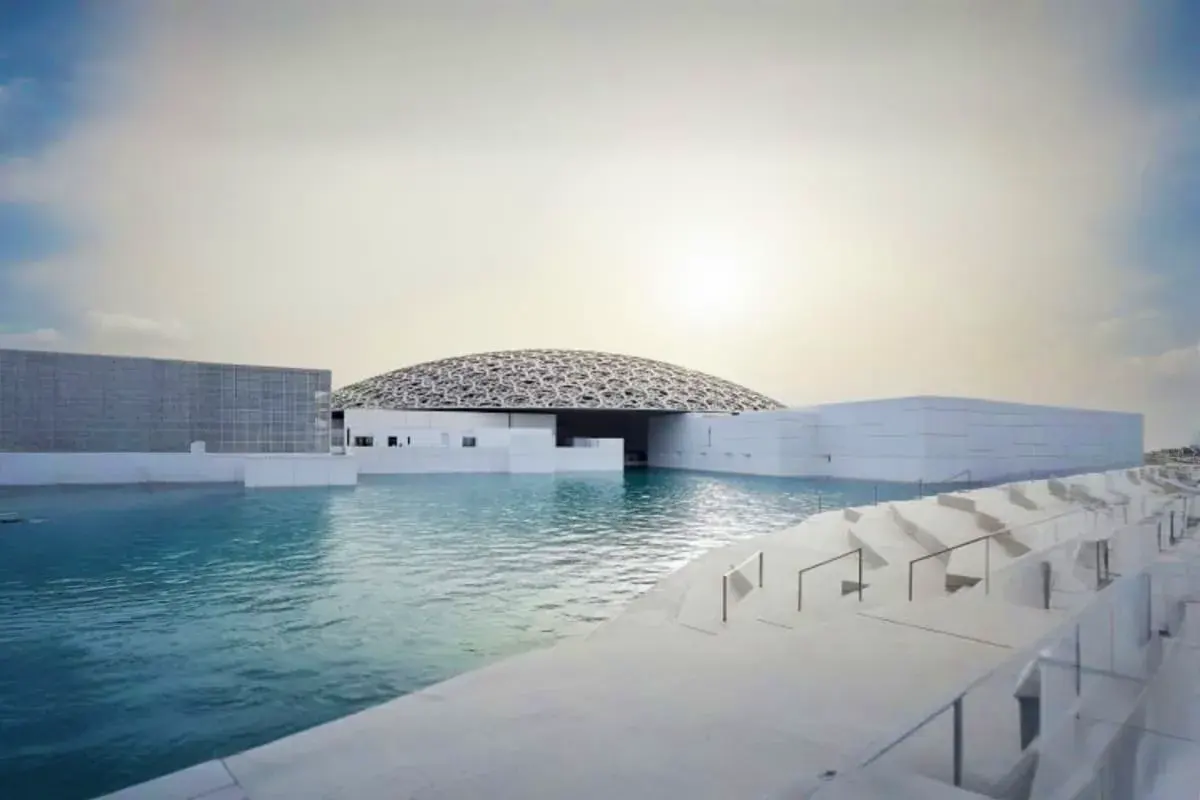
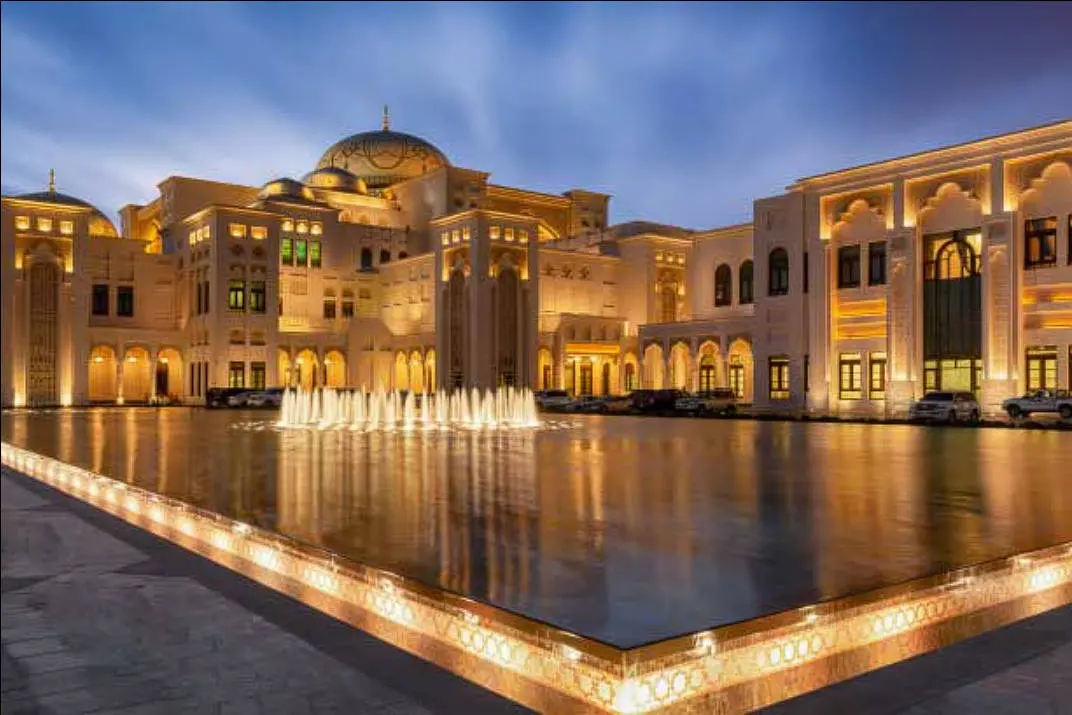
Getting to Sheikh Zayed Grand Mosque is easy by taxi, ride-hailing service, private transfer, or rental car. It is located outside the densest parts of central Abu Dhabi but remains within practical reach of major hotels, the Corniche, Yas Island, and Abu Dhabi International Airport. Most visitors spend around one to two hours at the mosque, depending on how much time they spend taking photos, walking through the visitor route, joining a cultural tour, or visiting the surrounding facilities. It can be combined with Qasr Al Watan, Louvre Abu Dhabi, the Corniche, or Yas Island in a one-day Abu Dhabi sightseeing plan. Travelers coming from Dubai often visit as part of a day trip, although staying in Abu Dhabi allows a more relaxed experience.
Sheikh Zayed Grand Mosque is suitable for almost every type of traveler. Culture lovers will appreciate its symbolism and architecture, photographers will find endless angles, families can visit comfortably with planning, and first-time UAE visitors will gain a deeper understanding of the country beyond malls and skyscrapers. The mosque is grand without feeling cold, spiritual without being closed to outsiders, and carefully managed without losing its sense of peace. It is a must-visit destination in Abu Dhabi because it represents the city at its best: elegant, welcoming, respectful, and deeply connected to both faith and national identity.
Highlights
What stands out
Getting there
How to Go
Sheikh Zayed Grand Mosque is best reached by taxi, ride-hailing app, private transfer, or rental car. From central Abu Dhabi, the journey usually takes around 15–30 minutes depending on traffic and starting point. From Yas Island, it is also a practical drive, making it easy to combine with theme parks, hotels, or the airport area. Visitors coming from Dubai can reach the mosque by road in around 90 minutes to two hours depending on traffic. Public bus options may be available, but taxis or private transport are usually easier for travelers with limited time.
Before you go
Practical Info
Seasonality
Best Time to Visit
November to March is the most comfortable period for visiting, especially for walking through the outdoor areas. Early morning, late afternoon, and evening are the best times for cooler weather and beautiful light.
On the ground
Travel Tips
- Visit near sunset if you want the best mix of daylight, golden light, and evening illumination.
- Dress correctly before arrival to avoid delays or being refused entry at the visitor checkpoint.
- Bring a scarf if you are a woman, as hair covering is required inside the mosque.
- Use a wide-angle camera or phone lens for courtyard, dome, and arch photography.
- Join a cultural tour if available, especially if this is your first visit to a mosque.
- Avoid rushing the visit; the small details in the marble, columns, and chandeliers are part of the experience.
- Be mindful that it is a religious site, not only a tourist attraction, and keep poses respectful.
- Combine the mosque with Qasr Al Watan or the Corniche for a strong Abu Dhabi cultural itinerary.
FAQs
Common questions
Yes, entry to Sheikh Zayed Grand Mosque is generally free, but visitors should register or book through the official visitor system before arriving.
Visitors must dress modestly; women should cover their hair, arms, and legs, while men should wear long trousers and avoid sleeveless shirts.
Most visitors need around one to two hours to walk through the visitor route, take photos, and join a cultural tour if available.
Yes, non-Muslim visitors are welcome in designated visitor areas, provided they follow the mosque’s dress code and behavior rules.
Early morning and late afternoon are excellent for photography, while sunset and evening visits offer beautiful lighting and cooler temperatures.
Photography is allowed in many visitor areas, but visitors must follow signs, avoid restricted spaces, and keep poses respectful.
Yes, families can visit, but children should be supervised because the mosque is an active place of worship and quiet behavior is expected.
Yes, many travelers visit from Dubai by car or tour, with the road journey usually taking around 90 minutes to two hours depending on traffic.